What is the real cost of climbing Kilimanjaro? The cost of climbing Kilimanjaro can vary widely depending on several factors such as the route chosen, the duration of the climb, the level of service provided by the tour operator, equipment, tents, food, park fees and quality of the guides and service. Join our Facebook group and check out our upcoming trips.
The Real Cost of Kilimanjaro
You also must consider the level of hotel accommodation before and after the climb. Personal expenses, safari and even the quality of the personal clothing you choose to buy. Here are some of the main cost components to consider.
Staff Wages
If you have 40 staff getting paid $20 each per day on an 8-day trip that will cost $6,400. There are some additional costs on top this if a team pays chefs, servers, and guides correctly. Most companies pay much less than this and some don’t pay anything and make the porters rely on tips. When you consider the price, it is important to make sure you are offering people a living wage.
Please do not choose a company who takes advantage of the local staff and is not invested in their future. We have Kilimanjaro’s Number 1 Guide leading our team and we have helped over 20 of our staff gain access to high education to learn English, become guides and chefs. Check out our upcoming trips.
Kilimanjaro Park Fees
Kilimanjaro National Park charges entry fees for climbers. These fees vary depending on the route and the number of days on the mountain. For an 8-day trip your permit fee is over $1,182. To camp at Kosovo Camp is $118 per person per night so these fees add up quickly.
I understand why some people choose 5 and 6 day trips, there is a a lot of saving to make by cutting out days on Kilimanjaro. Remember the success rates are 30% on a 5-day trip and 45% on a 6 day trip. The success rates go up to 85% on an 8-day trip up Kilimanjaro. Even higher, if you use Kosovo Camp at 4,900m/ 16,000 feet. Obviously these success rates vary depending on people’s physical preparation.
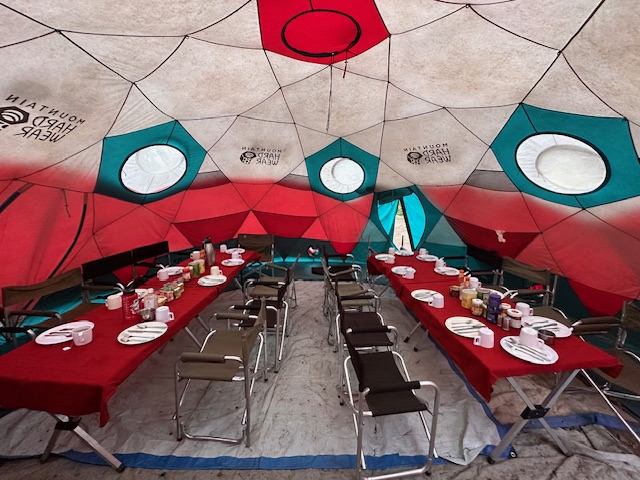
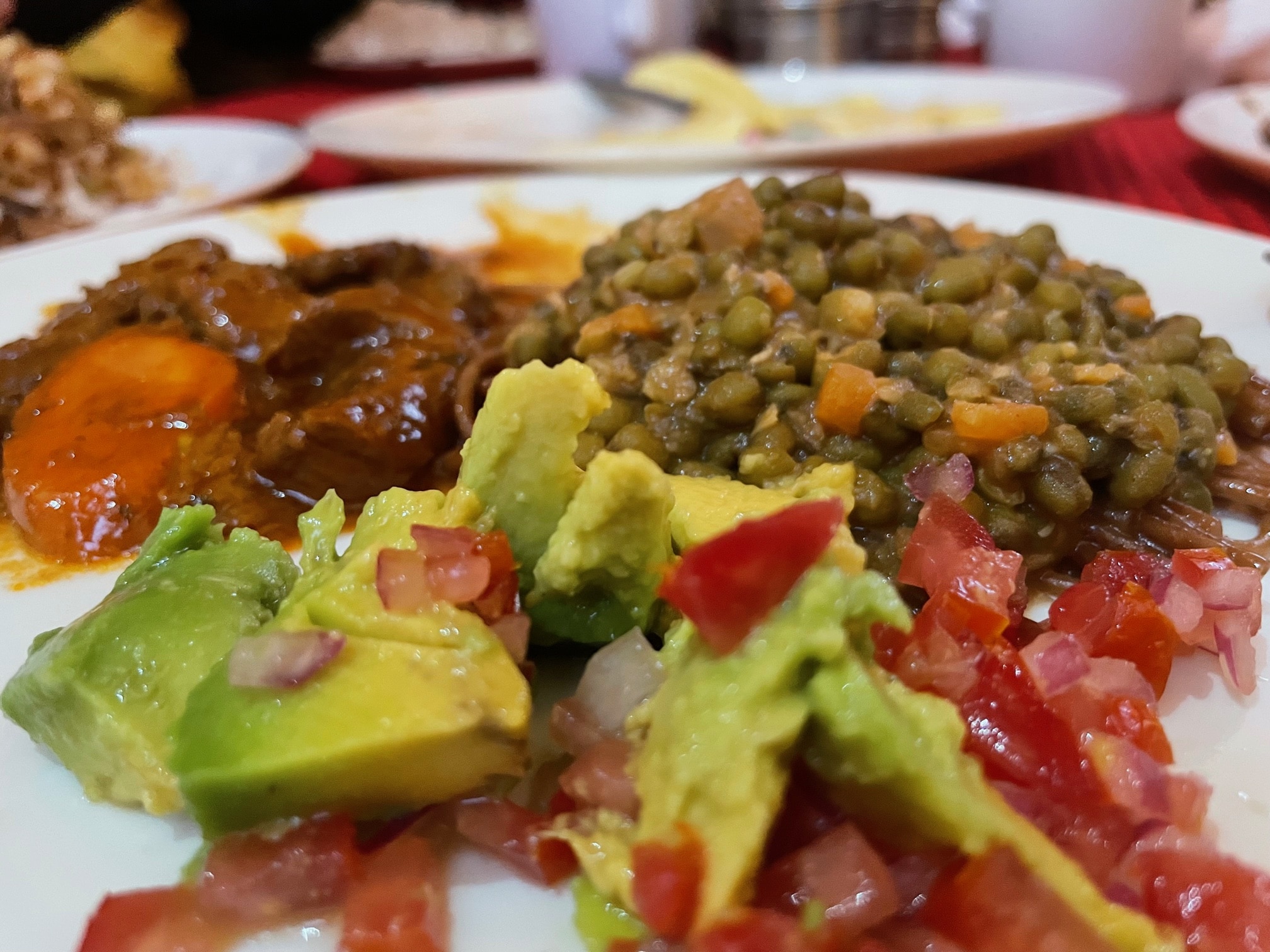
Food
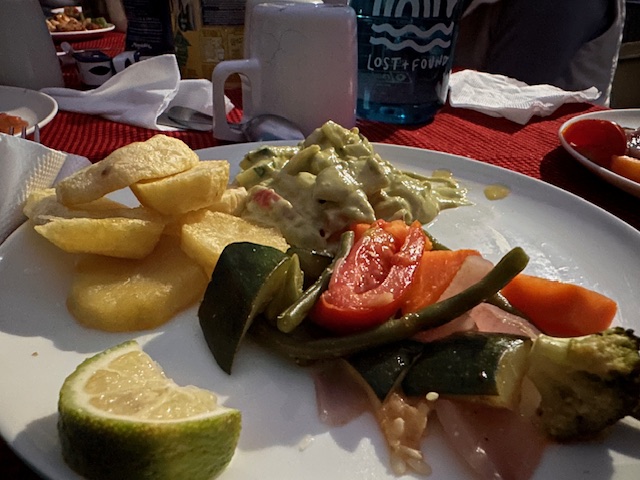
Discover premium Kilimanjaro trekking experiences with top-tier meal service! Unlike other companies providing prepacked meals and compromising freshness, we prioritize quality. Enjoy three exquisite, three-course hot meals daily during your ascent. Say goodbye to boxed lunches – elevate your adventure with us!
Tour Operator Fees
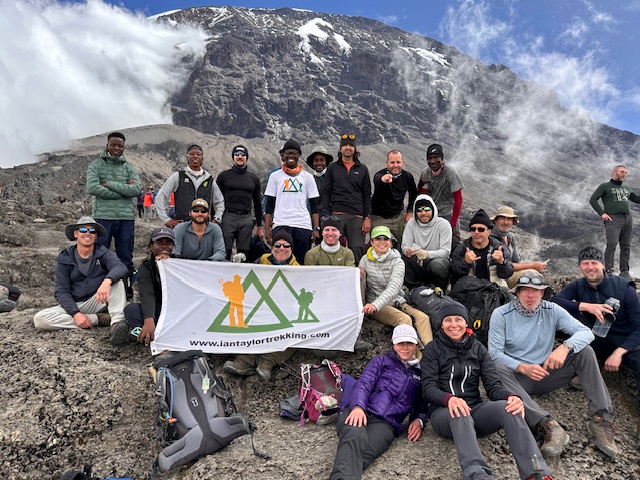
You pay for what you get. If you want expert advice prior to the trip alongside a high-quality offering with larger tents, better food, guides, support, fresh food drops, portable toilets. In addition to this, the cost typically includes guides, porters, food, camping equipment, and sometimes additional services such as airport transfers and hotels. We offer a high-end concierge service on Kilimanjaro and include the best of the above.
Kilimanjaro Routes
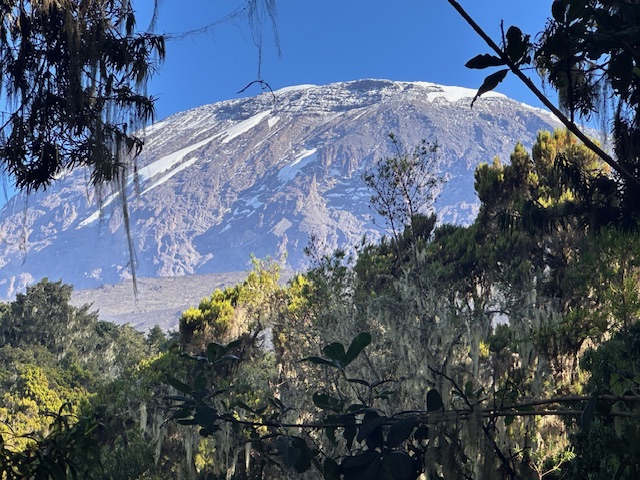
There are several routes up Kilimanjaro, each with its own characteristics and costs. I have climbed Kilimanjaro 40+ times on all the routes up Kilimanjaro and recommend 3 routes. The 7 day Machame route, 8 day Lemosho and 9 day Northern route.
I highly recommend our 8-day Lemosho route itinerary using Kosovo Camp as High Camp. The most beautiful route is the Lemosho route which is longer and more scenic routes. However, the longer routes are more expensive.
Equipment Rental
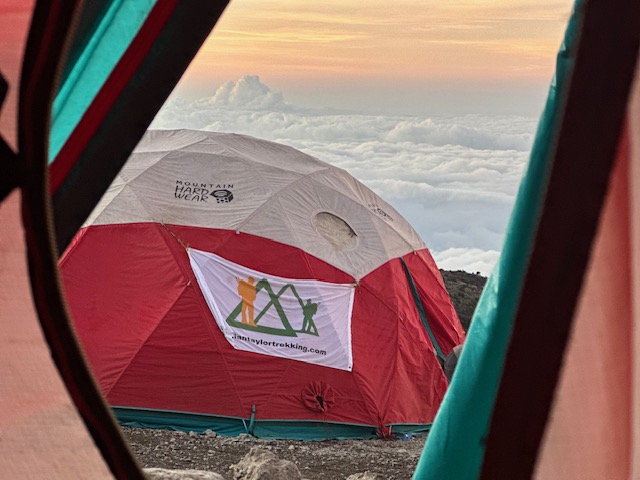
Firstly, there are no rental stores or outdoor gear stores in Arusha or Moshi towns. You will need to bring most of your gear and clothing with you. If you don’t have your own gear, you may need to rent some equipment. We rent down sleeping bags, air mattresses, trekking poles, duffel bags and trekking poles from our office in Arusha.
Transportation
You must consider flights into Kilimanjaro Airport (JRO) We have found most people want to control their own flights as they are building points with specific airlines and want to control the class of seating they are booked in. You can check out KLM, Qatar Airways and always check out skyscanner.com for options on flights into Kilimanjaro International Airport. It can be challenging getting a taxi from Kilimanjaro Airport, so we always include all transportation to and from the airport and mountain.
Accommodation
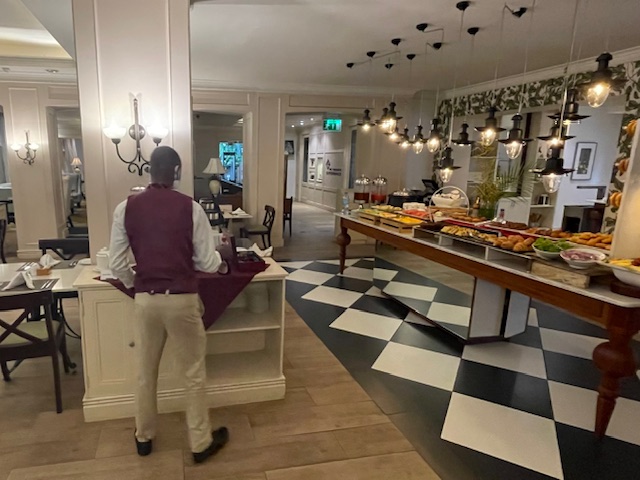
You may need to budget for accommodation before and after the climb, especially if you arrive in Tanzania a few days early to acclimatize, join a coffee tour, visit Arusha National Park or stay for a safari afterward. We use either the 4 points, Mount Meru hotel or Kilimanjaro Boutique Lodge in Arusha for all our nights spent on the ground.
Visa and Travel Insurance
Don’t forget to include the cost of the visa to enter Tanzania. This ranges from $50 to $100 per person depending on your nationality. Then you must consider the level of travel insurance you require. There are three elements to insurance that you will need to explore. Climbing Kilimanjaro presents some potential risk, and you need to consider having the following coverage.
1). Helicopter evacuation cover
2). Medical cover with repatriation
3). General Travel Insurance with trip cancellation cover
Tips
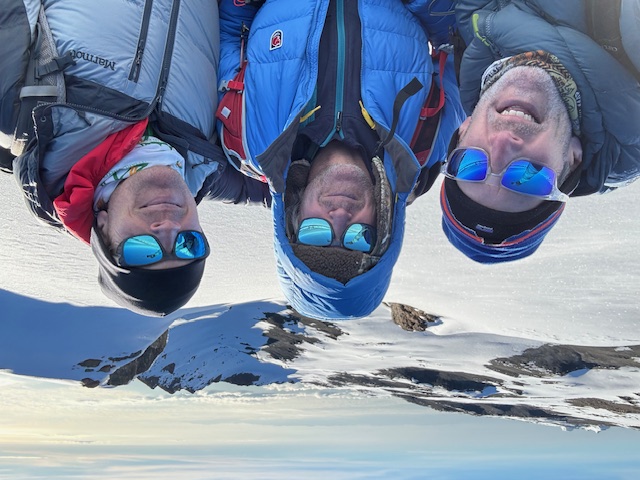
It’s customary to tip your guides, porters, and other support staff. This cost can add up, so make sure to budget accordingly. We recommend $300 as a tip to bring with you on the mountain. We hope you will find this is well deserved for all the hard work they do on Kilimanjaro in support of your summit attempt.
The Real Cost of Climbing Kilimanjaro
Overall, the total cost of climbing Kilimanjaro can range from a few thousand to several thousand dollars, depending on your preferences and the level of comfort you seek during the climb. It’s essential to research thoroughly and really understand the service you require.
Comparing prices from different tour operators is not the right approach. You need to research the itinerary, hotel, service, food, quality of the team, guides and how much they get paid.
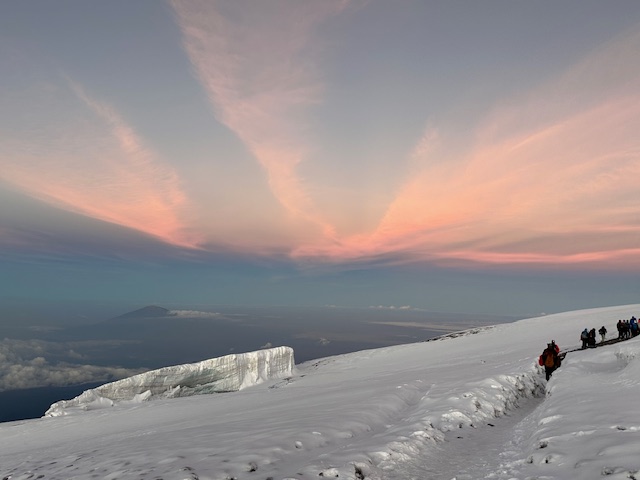
The Cost of Not Climbing Kilimanjaro
Get it right the first time so you don’t have make all the mistakes we have made. Here are some lessons learned on Kilimanjaro. We have a lot of people join our Kilimanjaro tours that have been on the mountain before. They compromised on acclimatization to save a few dollars and they didn’t make it. They had to return to complete their goal of climbing Kilimanjaro.
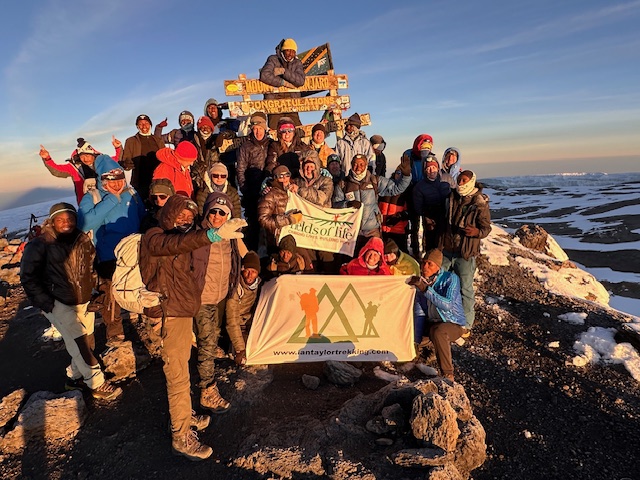
Climbing Kilimanjaro for the Second Time
You also need to consider all potential expenses to budget accurately for your trip. We have had a number of people join our services as they choose less days on their first attempt. I can not stress enough the importance of more days on Kilimanjaro for a better experience, safety and success. Learn more.
If you need further advice, information or need to discuss all our team members have climbing Kilimanjaro and available 5 days a week and happy to share advice and information about the best way to climb Kilimanjaro.
Top 5 Reasons
Check out our top 5 reasons to pick the 8 day Lemosho route ascent route using Kosovo Camp. I truly want people to enjoy the mountain and the people. Kilimanjaro changed my life and I hope it can do the same for you. I just want you to be informed and prepared for the adventure of a lifetime.
Talk to Kilimanjaro Experts
I have climbed Kilimanjaro 40+ times and we have Kilimanjaro’s Number 1 guide leading our team on the ground and works full time for Ian Taylor Trekking. We only offer the best service on Kilimanjaro, leading the way with the best service, equipment, itineraries and taking care of our staff. Contact us today!