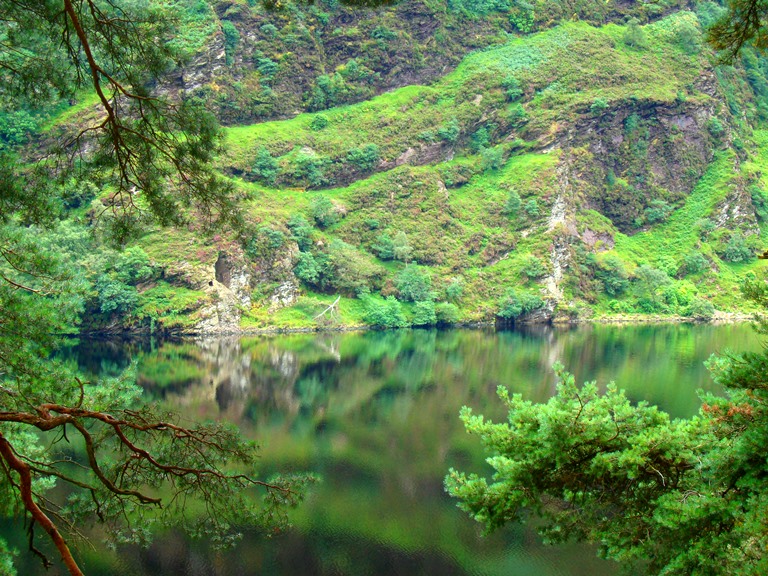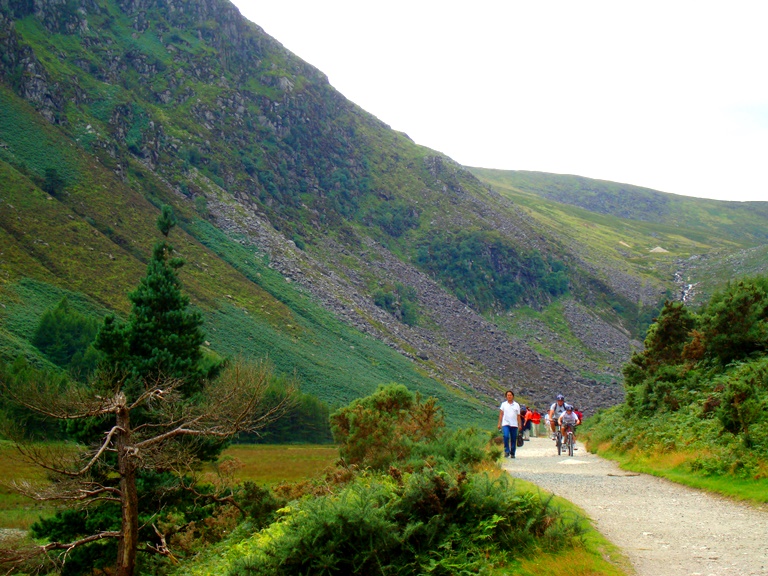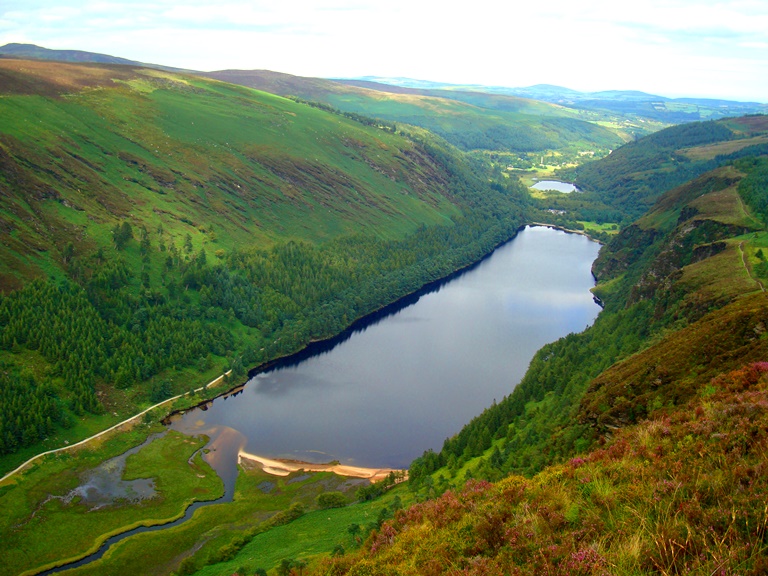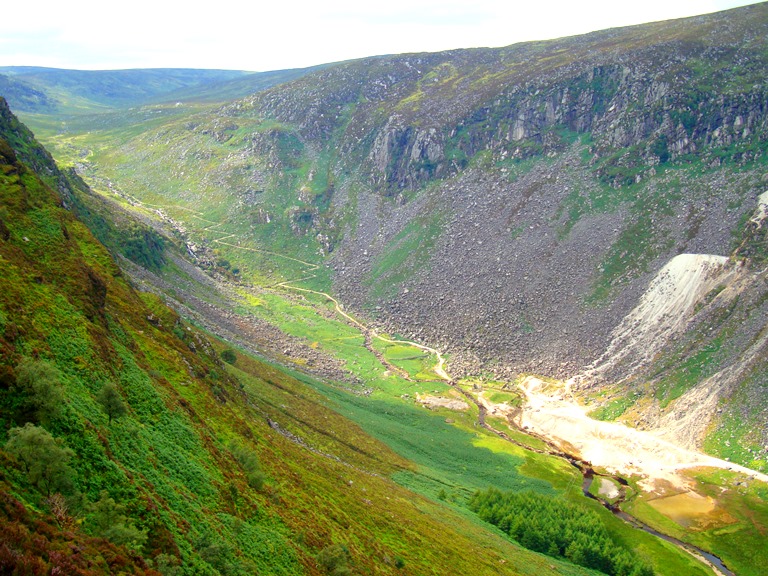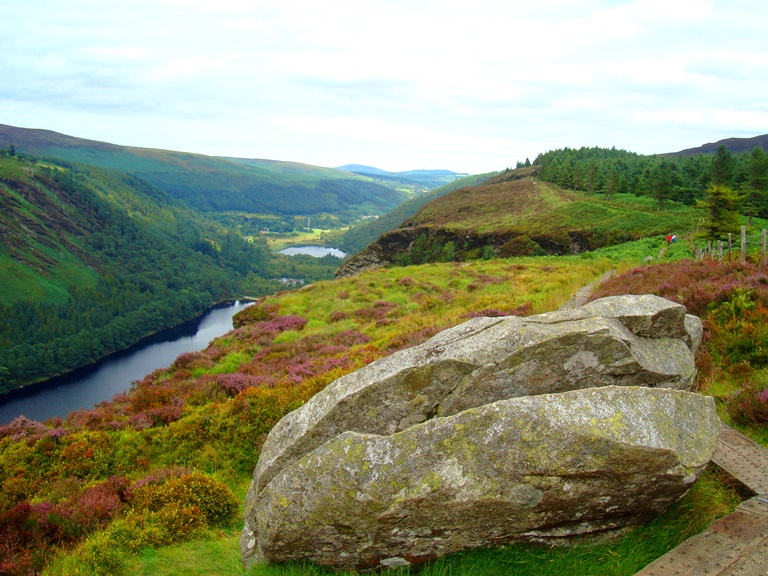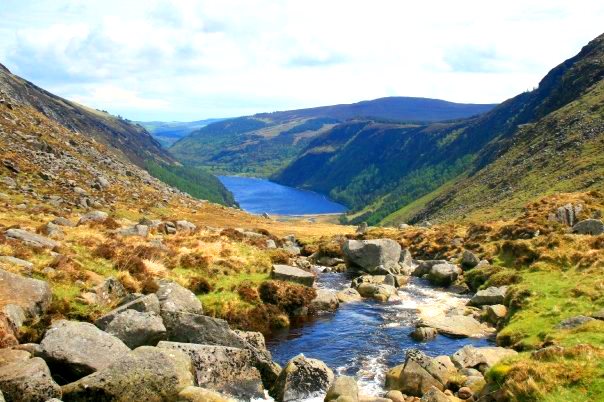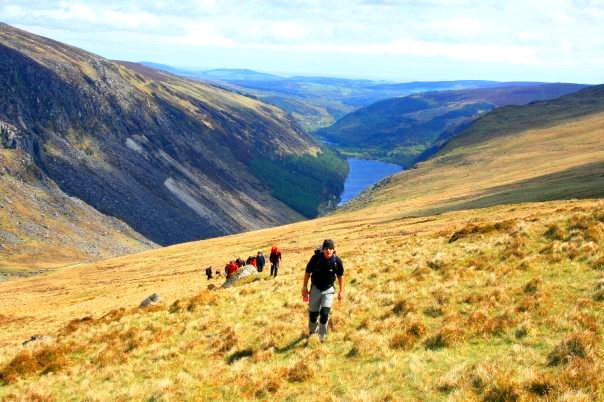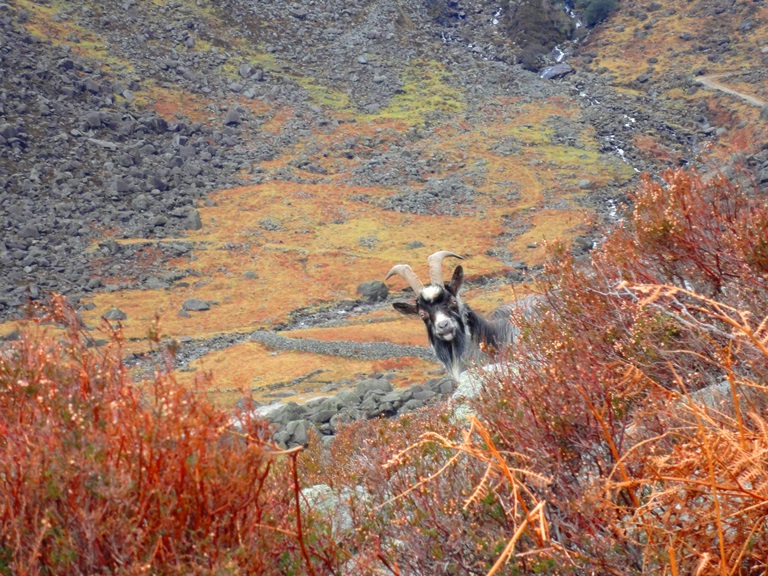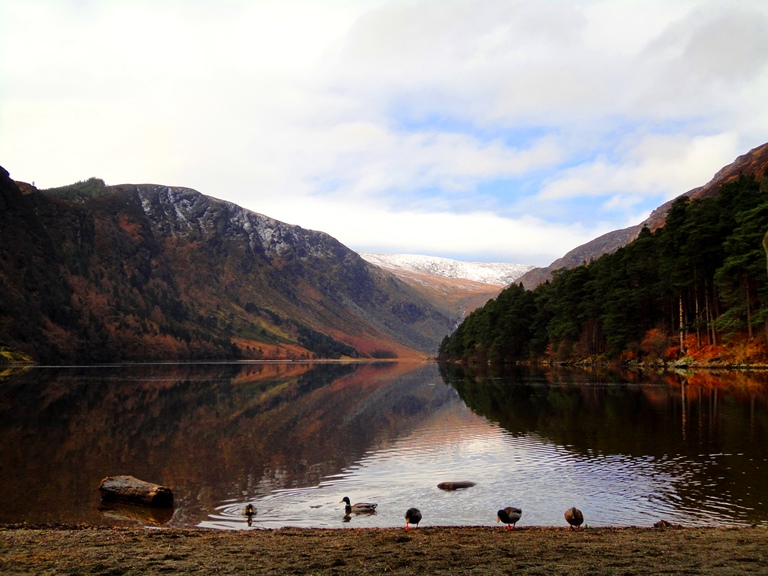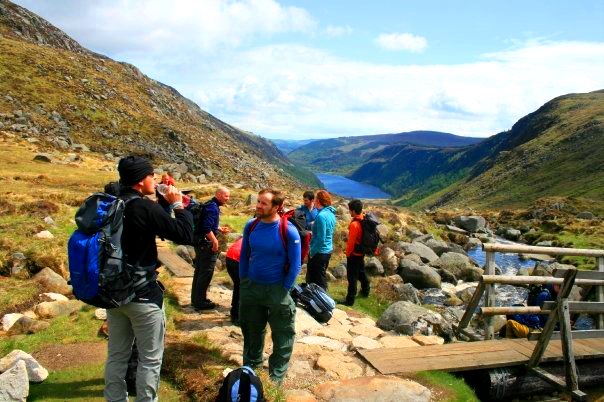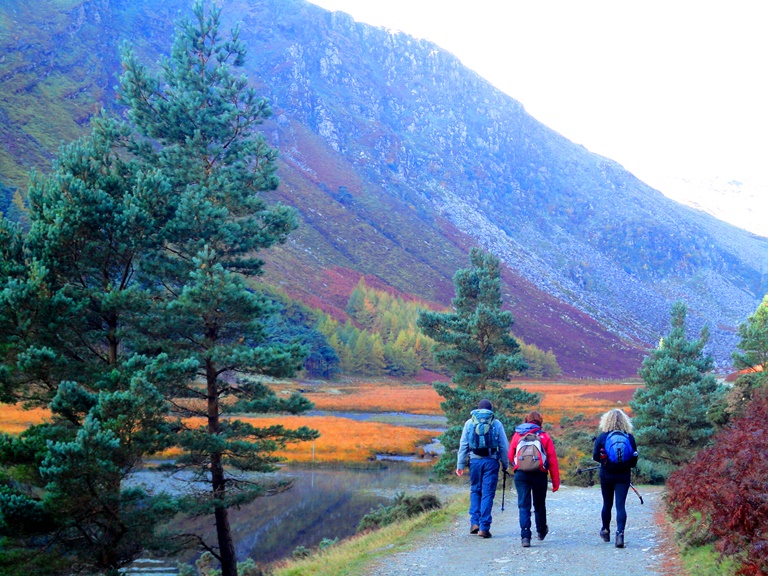

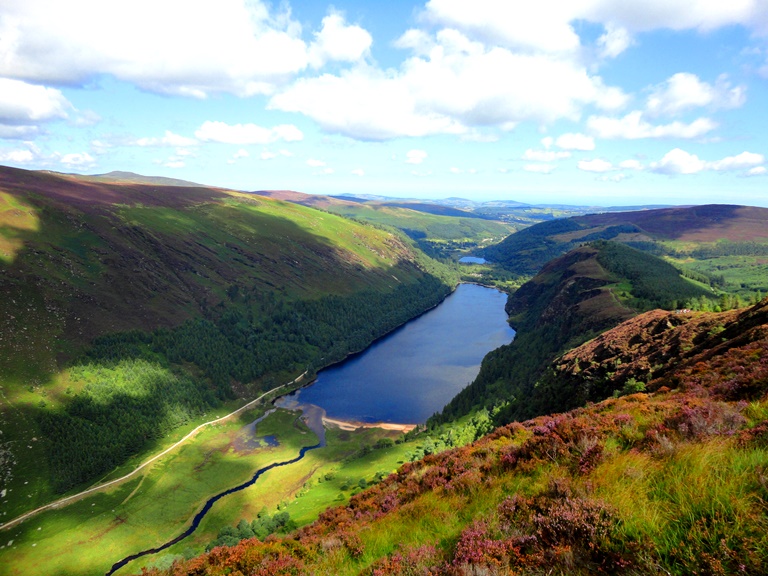
The mystical Glendalough valley is tucked right in the middle of the Wicklow mountains, just south of Dublin.
It is renowned for being a Monastic settlement founded in the 6th century by St. Kevin, a hermit priest. These mountains hold amazing scenery in all four seasons, hiking high into the Glendalough region will unveil it’s true majesty.
I have been hiking in Glendalough for 27 years.
Glendalough was my training ground for climbing Everest in 2008 and we have lead many groups in and around these mountains for years. This peaceful place will inspire and hopefully draw you back for more of these wondrous hills.
At Ian Taylor Trekking, we believe that even the most accessible mountain environments deserves respect and preparation. Glendalough is only an hour from Dublin, but once you step onto the trails, you’re in real mountain terrain.
Here are our 5 most important tips to help you get the most from your hike.
1. Choose a route that matches your fitness
Glendalough has something for everyone, from gentle lakeside walks to steeper ridge trails like the Spinc. It’s worth being honest with yourself about your current fitness and experience before you set off. The Wicklow Mountains can feel tougher than they look, especially on exposed sections where wind and wet ground come into play. Pick a route where you can actually enjoy the scenery rather than just push through the climb.
2. Prepare for changing Irish weather
Mountain weather in Ireland has a mind of its own. Sunshine can turn to mist or rain quickly, even in the middle of summer. We’d recommend packing a waterproof jacket, a warm layer regardless of the season, and proper hiking boots with a good grip. It’s also worth checking the mountain forecast before you head out. A little preparation goes a long way.
3. Start early and beat the crowds
Glendalough is one of Ireland’s most popular hiking spots, and the car parks fill up fast, particularly on weekends and through the summer months. Getting there early makes a real difference. You’ll have an easier time parking, quieter trails to yourself, better light for photography, and more breathing room if your plans shift during the day.
4. Bring water, food and a simple plan
Once you move beyond the visitor centre, there are no facilities, so you’ll want to be self-sufficient. For longer hikes, aim to carry at least one to two litres of water and some high-energy snacks to keep you going. Before you set off, make sure you know your route, give yourself more time than you think you’ll need, and let someone know where you’re headed. It sounds simple, but it makes a real difference to both your safety and your enjoyment on the day.
5. Respect the landscape and its history
Glendalough isn’t just a great place to hike. It’s a site with deep historical and natural significance, and it deserves to be treated that way. Stick to the marked trails to protect the fragile peatland, bring your rubbish home with you, and take a moment to appreciate the ancient monastic site and the quietness of the valley. We’re guests in this landscape, and it’s on all of us to keep it that way.
1. Build consistent walking fitness
The foundation of your preparation is straightforward: regular walking. We’d suggest aiming for two to three walks per week, around 60 to 90 minutes each, and gradually building up your distance and elevation over time. If you can include hills, even better. The Wicklow Mountains aren’t extremely high, but the climbs are steady and can feel relentless if your legs aren’t used to it. Consistency will serve you far better than the occasional big effort.
2. Train on hills or stairs
The more challenging routes at Glendalough involve sustained uphill sections. The Spinc trail, for example, gains elevation quickly and keeps climbing along the ridge. If you don’t live near hills, stair climbs, a treadmill on incline, or step-ups with a light pack are all solid alternatives. The goal is controlled, steady effort rather than speed.
3. Strengthen your legs and core
Strong legs reduce fatigue and help protect your knees on the descent, which many hikers find harder than the climb itself. A few simple exercises go a long way: bodyweight squats, lunges, step-ups, glute bridges and planks. Two short strength sessions a week can make a noticeable difference in just a few weeks.
4. Break in your boots before you go
Please don’t make Glendalough your first day in a new pair of hiking boots. Train in the footwear you plan to use, break them in gradually on mixed terrain, and make sure there are no pressure points before the day of your hike. Comfort on your feet makes a real difference to your confidence on the trail.
5. Add back-to-back days if you’re planning a longer route
If you’re taking on one of the longer routes, or using Glendalough as preparation for a bigger trek, it’s worth building in some back-to-back training days. Something like a 90-minute hill walk on Saturday followed by a steady 60-minute walk on Sunday helps your body get used to moving on slightly tired legs, which is a key part of building real mountain fitness.
6. Train for time on your feet, not speed
Mountain hiking is about endurance, not pace. Depending on your route, you’ll likely be on your feet for three to four hours, so that’s what your training should reflect. Focus on steady breathing, a sustainable pace and efficient movement. A simple rule of thumb: if you can hold a conversation while walking uphill, you’re working at about the right intensity.
At Ian Taylor Trekking, we bring the same care and attention to Glendalough as we do to our high-altitude expeditions. It may not be the Alps, but it is real mountain terrain, and it deserves to be treated that way.
Our guided hikes are structured so you can focus on enjoying the landscape rather than worrying about navigation, pacing or the weather. We handle the planning, from route selection and equipment guidance to timing your day well, so everything runs smoothly. Our team knows the Wicklow Mountains inside out, and that local knowledge makes a genuine difference on the trail.
Whether you’re new to hiking or using Glendalough as a stepping stone to bigger objectives, we’ll make sure you feel confident and well looked after from start to finish.
If you’d like to explore Glendalough with experienced support, we’d love to hear from you.
1. How difficult is hiking in Glendalough?
Glendalough has a good range of trails, from gentle lakeside walks to more demanding ridge hikes like the Spinc Loop. For the easier routes, a basic level of walking fitness is plenty. For the higher trails with longer climbs, you’ll want to be comfortable on your feet for three to four hours on uneven ground. The most important thing is choosing a route that suits your current fitness and experience.
2. Do I need hiking boots for Glendalough?
We’d strongly recommend proper hiking boots or sturdy trail shoes. Some of the lower trails are relatively smooth, but many routes include rocky sections, muddy ground and uneven surfaces, especially after rain. Good grip and ankle support will make your day noticeably safer and more comfortable. It’s worth leaving the casual trainers at home for this one.
3. How long does a typical hike take?
It really depends on the route. The lakeside and valley walks generally take one to two hours, the Spinc Loop around three to four, and longer ridge or mountain routes can be four hours or more. Whatever you’re planning, build in extra time for stops, photos and just taking in the surroundings. There’s no need to rush.
4. When is the best time to hike in Glendalough?
Glendalough is worth visiting at any time of year, though conditions do vary. Spring and summer bring longer days and milder weather, autumn offers beautiful colours and quieter trails, and winter can be genuinely stunning if you plan carefully around the shorter daylight hours and less predictable conditions. Whenever you go, an early start is a good idea, particularly on weekends when it gets busy.
5. Is Glendalough suitable for beginners?
Absolutely, as long as you pick the right trail. The valley and lower lake walks are great for beginners and families, while the higher ridge routes ask a bit more in terms of fitness and comfort on uneven terrain. If you’re fairly new to hiking, start with something manageable, build up your experience over time, and focus on enjoying the scenery rather than pushing yourself too hard too soon.
Country:
Ireland
Duration:
27 Days
Distance:
5.5 km – 9 km
Max. Altitude:
846 m / 2,275 ft
Difficulty:
Medium
Group Size:
12

Does this information excite you to start hiking in Glendalough? If so, get in touch today.