
Overview

The highest peak in Leinster

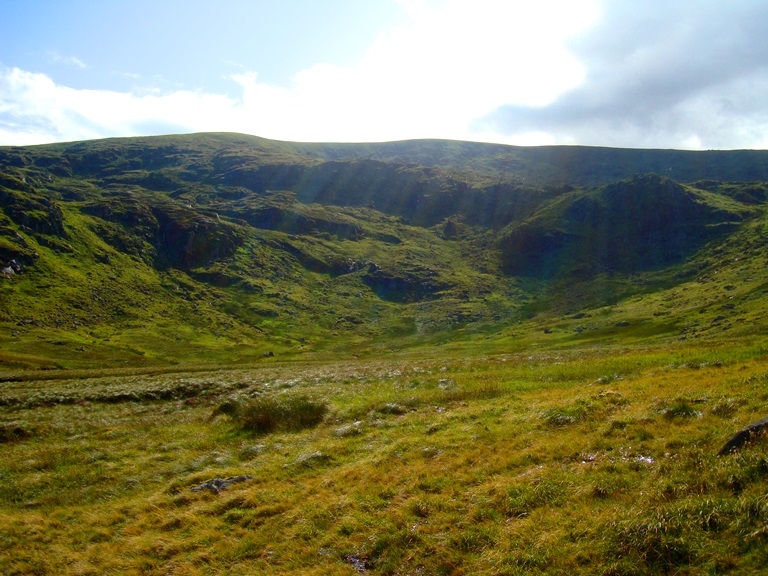
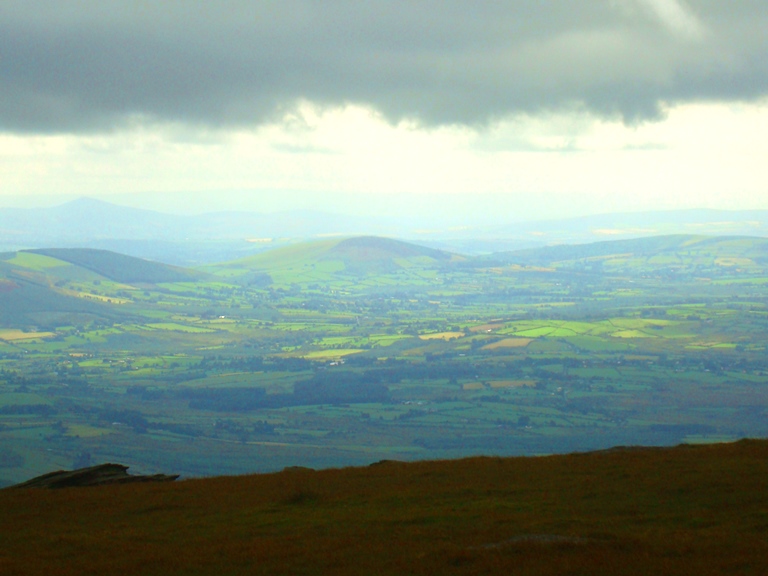
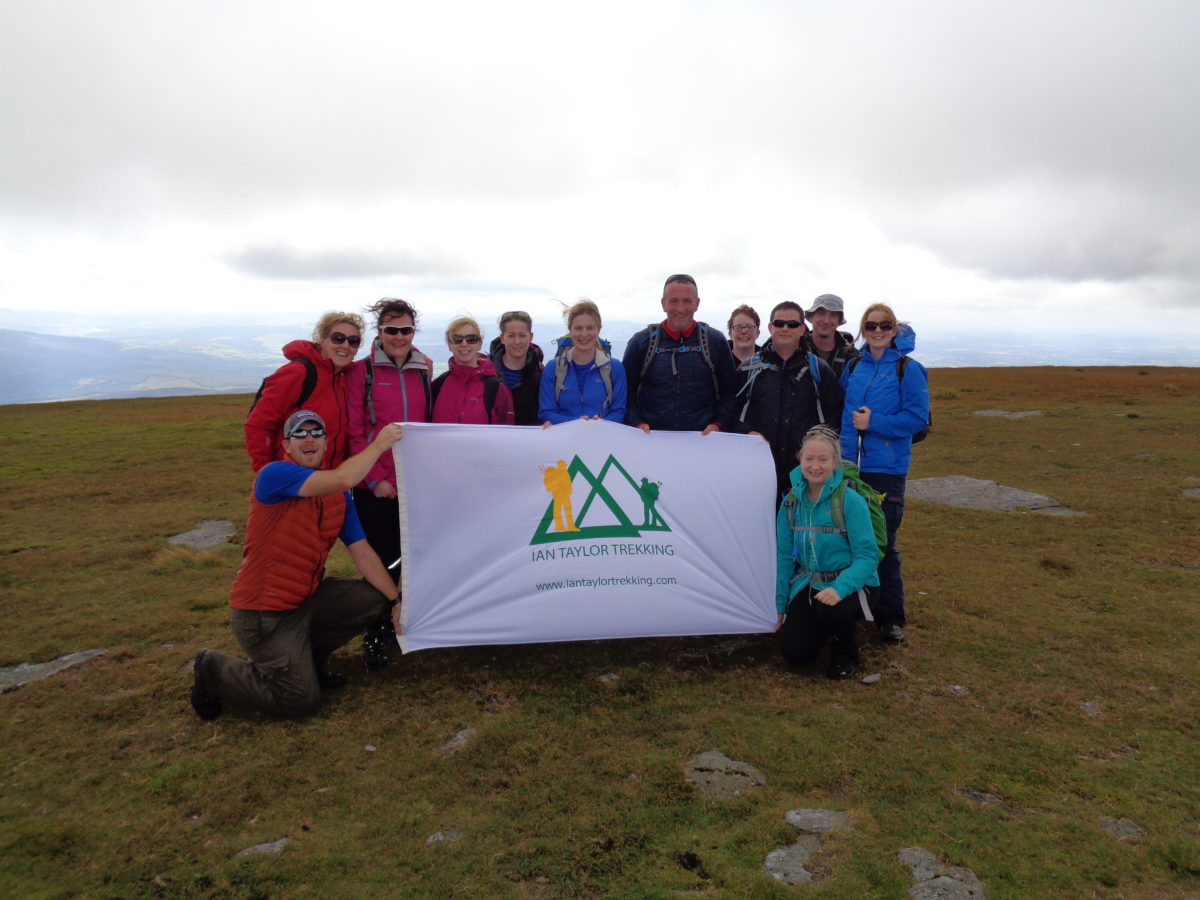
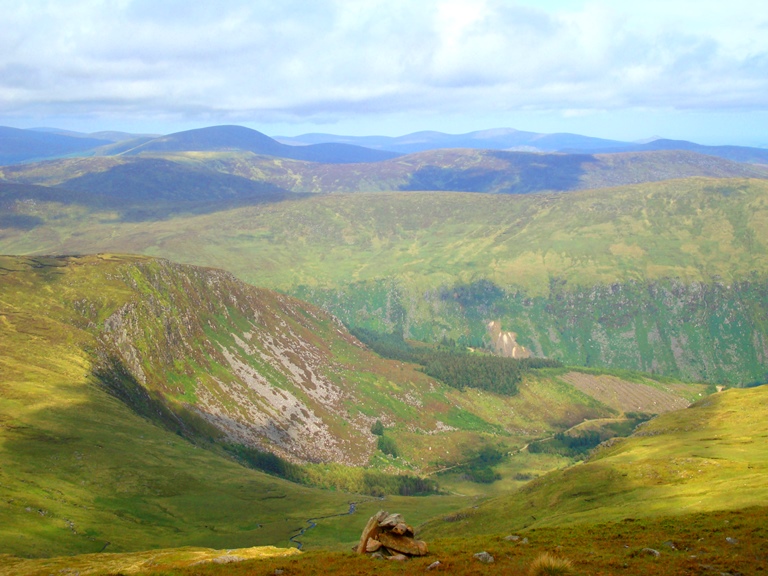
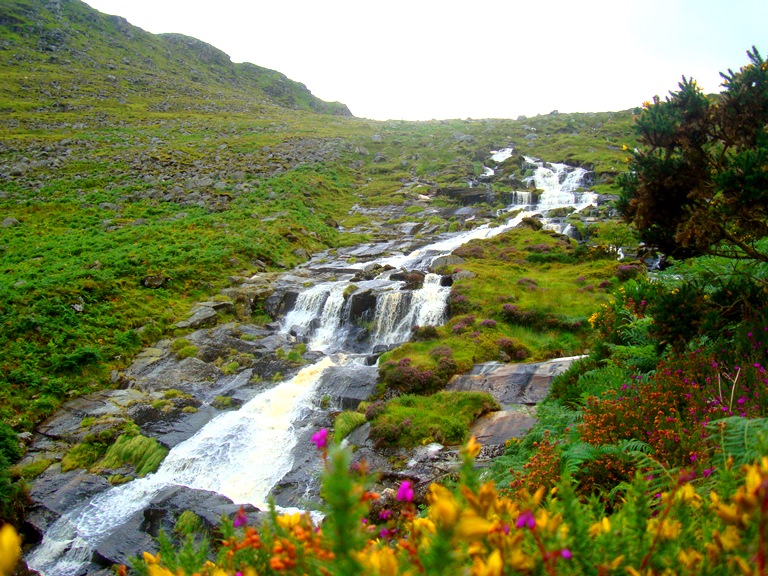
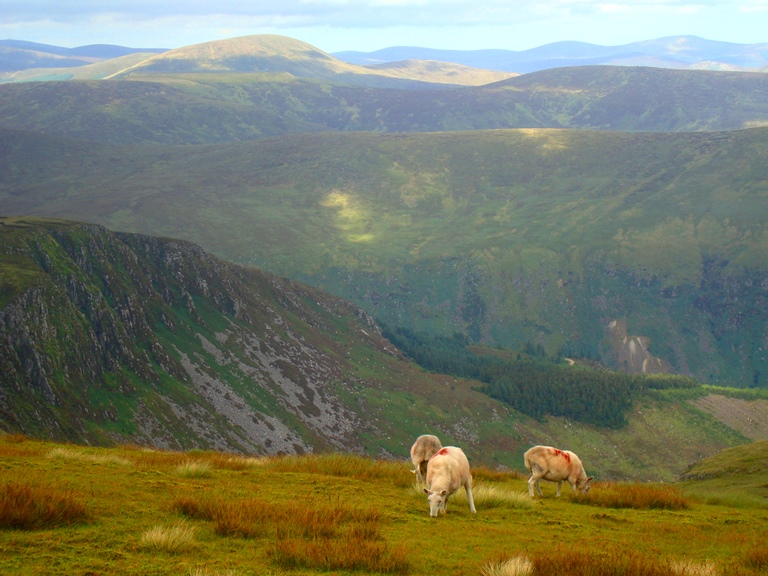
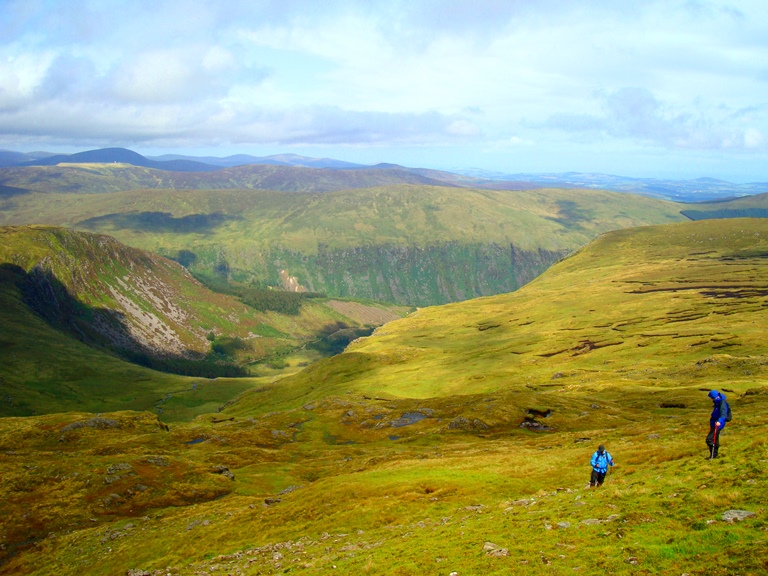
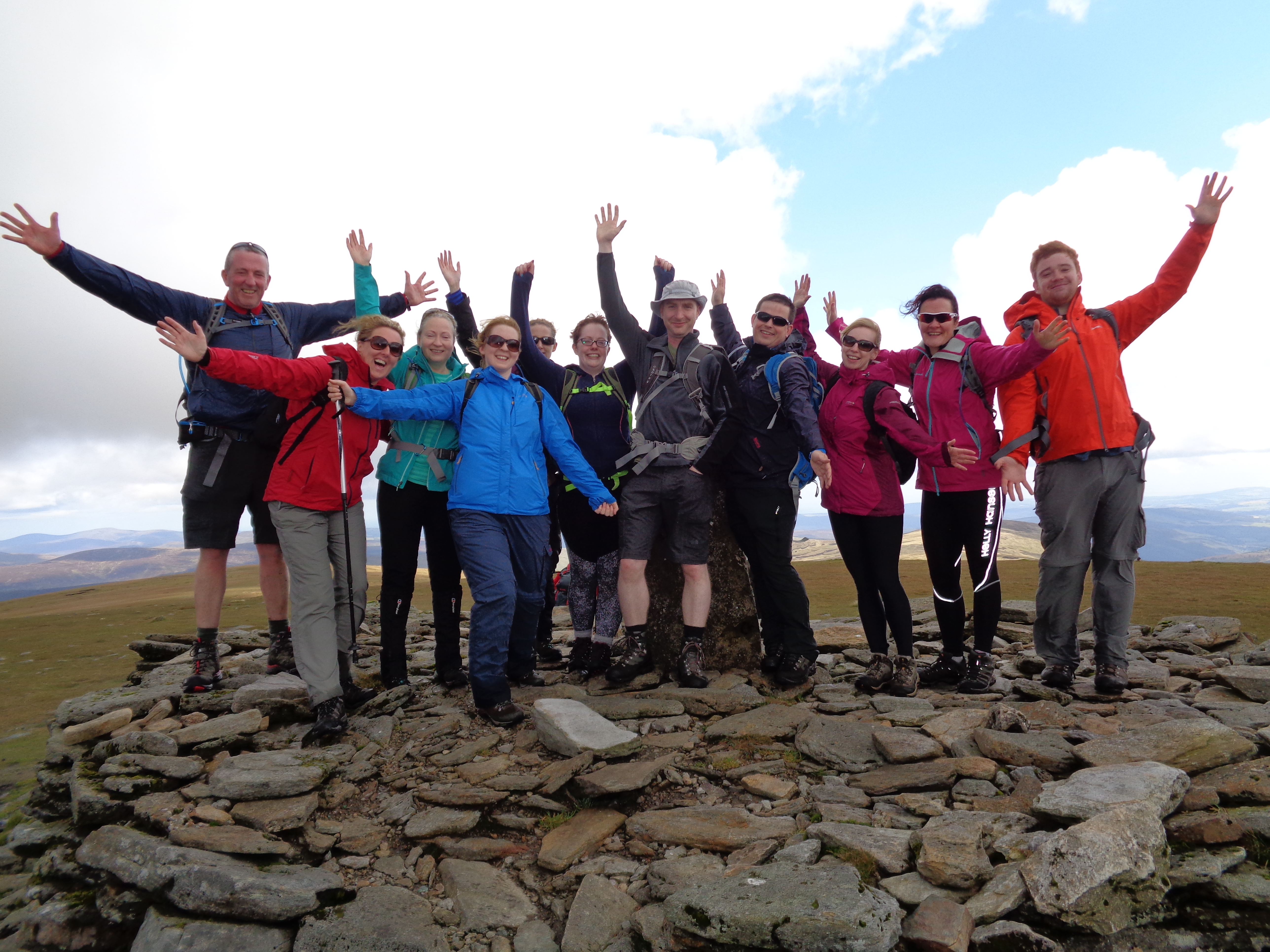
Lugnaguilla 925m (3,035 ft) The highest peak in Leinster, and Ireland’s 13th highest peak which is affectionately known as “Lug”. Ian has climbed Lug 289 times since 1998 and we lead groups up Lugnaquila on a regular basis. We have Irish, English and French speaking guides available for you. Views on a clear day, extend east across the Irish Sea to the mountains of Snowdonia in Wales, and west to the mountains of Munster.
Lugnaquilla has some challenging and varied routes. We either come in from the North or South when climbing Lug.

Lugnaquilla has it own weather system and temperature from vary greatly from the valley to the summit. Lugnaquilla is a serious challenge and one that should only be undertaken with a guide and the right equipment.
Upcoming Trips

No trips found.

Advice

1. Treat it as a full mountain day

Lugnaquilla is a serious day out. The terrain is often boggy, uneven and physically demanding, and once you’re up there, it feels genuinely remote. Plan for five to seven hours, move at a steady pace, and make sure you’re conserving energy for the descent. Good planning makes the difference between a tough slog and a really rewarding day on the mountain.

2. Be prepared for navigation in poor visibility

The summit plateau is broad and featureless, and mist or low cloud is common in the Wicklow Mountains. When visibility drops, route finding becomes much more challenging. Carry a map and compass and make sure you’re confident using them, bring a GPS or saved GPX route as a backup, and keep your phone fully charged. Navigation isn’t something to leave to chance on Lugnaquilla.

3. Train for sustained climbing

Whichever route you take, expect a long, steady ascent that can feel relentless in soft ground. Before heading up, you’ll want to be comfortable walking for several hours, climbing continuously for 60 to 90 minutes, and handling uneven terrain without too much difficulty. The fitter you are going in, the more you’ll actually enjoy the experience rather than just get through it.

4. Dress for wind and changing conditions

Conditions at the summit can be very different from what you left behind at the trailhead. Strong winds and low temperatures are common, even in summer. We’d recommend a waterproof jacket and trousers, a warm mid-layer, hat and gloves, and sturdy hiking boots with good grip. It’s always worth preparing for worse weather than the forecast suggests.

5. Know when to turn back

Good judgement on the mountain matters more than reaching the summit. If visibility drops, conditions deteriorate, or your energy levels fall away significantly, turning back is absolutely the right call. The mountain isn’t going anywhere, and making sound decisions is what allows you to come back and try again.

Training

1. Get comfortable spending time on your feet

Before anything else, make sure your body is used to moving steadily for a few hours at a time. You don’t need to be running or training at high intensity, you just need consistency. Two or three solid walks a week, gradually building up to three or four hours, will give you the base fitness you need. A good sign you’re on track: finishing a long walk feeling like you could keep going.

2. Seek out hills, even small ones

Lugnaquilla is a long, steady climb. It’s not technical, but it doesn’t let up easily either. Find hills near you and walk them at a controlled, steady pace. If hills aren’t an option, stair climbing or treadmill incline sessions work really well as alternatives. The goal isn’t speed, it’s learning how to climb without burning out too early.

3. Strengthen your legs for the descent

A lot of people focus on getting up the mountain, but the descent is where tired legs and sore knees tend to make themselves known. Two short strength sessions a week, covering squats, lunges, step-ups and some core work, will improve your stability and help you feel strong later in the day. No gym needed, bodyweight is more than enough.

4. Train with your pack and boots

Lugnaquilla can be wet and uneven underfoot, so stability really matters. Wear your hiking boots on your training walks and carry a light pack so your body adapts to that setup before the day itself. Small adjustments made in training prevent real discomfort on the mountain. Nothing new on summit day is a rule we always stand by.

5. Work on your pacing

One of the most common things we see is people setting off too fast. On your training hikes, find a rhythm you could realistically sustain for hours. A useful guide: you should be able to hold a conversation while climbing. If you’re already struggling for breath early on, ease back a little. Mountain fitness is about control and efficiency, not just effort.

Map

Why Us

At Ian Taylor Trekking, we bring the same care and attention to Lugnaquilla as we do to our alpine and high-altitude expeditions. It may be Ireland’s highest mountain rather than Mont Blanc, but it’s serious terrain all the same: remote, exposed, and capable of turning quickly in bad weather.

Our guided treks are planned so you can focus on the experience rather than the logistics. Navigation on the summit plateau can be tricky, conditions can shift fast, and pacing matters on a long ascent like this. We take care of the route, the timing and the safety considerations, so your day moves in a steady, controlled way from start to finish.

If you’d like to take on Lugnaquilla with experienced support behind you, we’d love to hear from you.

FAQ

1. How long does it take to climb Lugnaquilla?

Most routes take somewhere between five and seven hours, depending on the approach, conditions and the pace of the group. We move at a steady rhythm with planned breaks along the way, so there’s plenty of time to take in the landscape rather than just push through the day.

2. What makes Lugnaquilla different from other hikes in Wicklow?

Lugnaquilla feels genuinely remote. Once you leave the lower ground, you’re committed to a long ascent and an exposed summit plateau that can feel wild and isolated in a way that other Wicklow routes don’t quite match. It asks more of you in terms of terrain awareness and conditions, and that’s a big part of what makes it such a satisfying mountain to climb.

3. What happens if the weather is poor on the day?

Irish mountain weather can move quickly, and we always keep a close eye on conditions. If visibility is severely compromised or it’s simply not safe to continue, we’ll adjust the plan, whether that means modifying the route or postponing the day entirely. Good judgement always comes before summiting. The mountain isn’t going anywhere.

4. How fit do I need to be?

You should be comfortable walking for several hours over uneven ground and able to keep a steady pace uphill for extended periods. You don’t need to be an athlete, but you do need to have put in some preparation beforehand. We provide clear training guidance ahead of your trek so you know exactly what to expect and how to get ready.

5. Can Lugnaquilla be used as preparation for bigger mountains?

It really can. The sustained ascent, the exposure and the navigation all mirror aspects of bigger mountain days, just on a more manageable scale. It’s a solid test of your pacing, fitness and mindset, and many of our clients use it as part of their progression toward Alpine or international treks.

Reviews

Price
From
$50
/ person
Information

Country:

Ireland

Duration:

0 Days

Distance:

0,0 km

Max. Altitude:

925 m / 3,035 ft

Difficulty:

Medium

Group Size:

12

Ready to go?

Does this information excite you to climb Lugnaquilla with us? If so, get in touch today.


Similar Treks

Carrauntoohill Climb
Overview Ireland’s highest peak Carrauntoohill is Ireland’s highest peak, positioned in the middle of the ring of Kerry in south west Ireland. This playground of mountains has a...
View more
Hiking in Glendalough
Overview The mystical Glendalough valley is tucked right in the middle of the Wicklow mountains, just south of Dublin. It is renowned for being a Monastic settlement founded...
View more
Touring Ireland
Overview Touring Ireland. Ireland is one of the world’s extraordinary destinations. Ian was born in Ireland and was the youngest Irishman to climb Mount Everest in 2008. He...
View more
Climb Croagh Patrick
Overview Just outside Westport, Co. Mayo, sits Croagh Patrick at 765m (2,507ft). Famed for being the spot where St. Patrick banished all the snakes from Ireland and fasted...
View more