
Home Bolivia Climbing Climb Mount Tarija

Overview

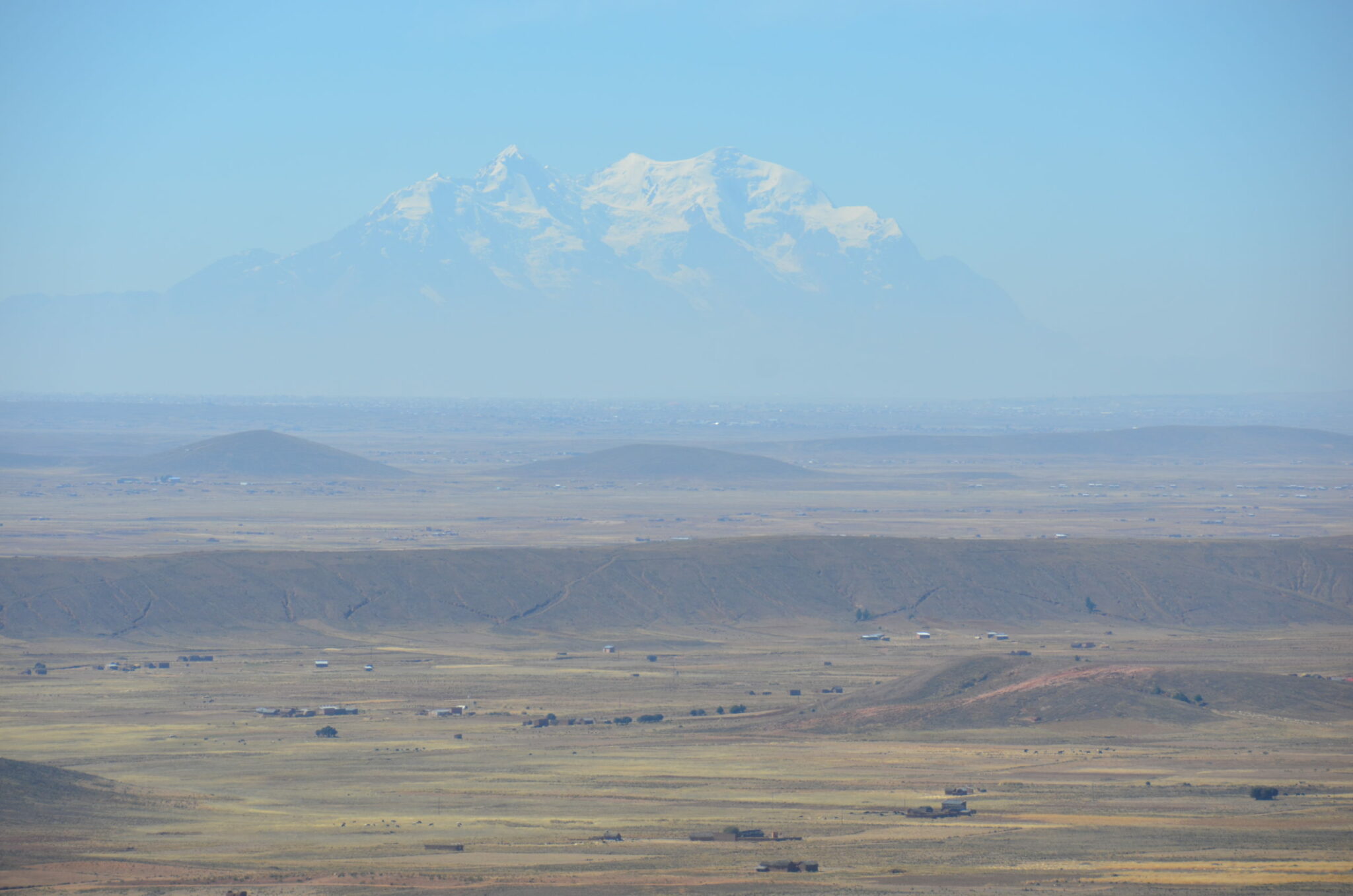
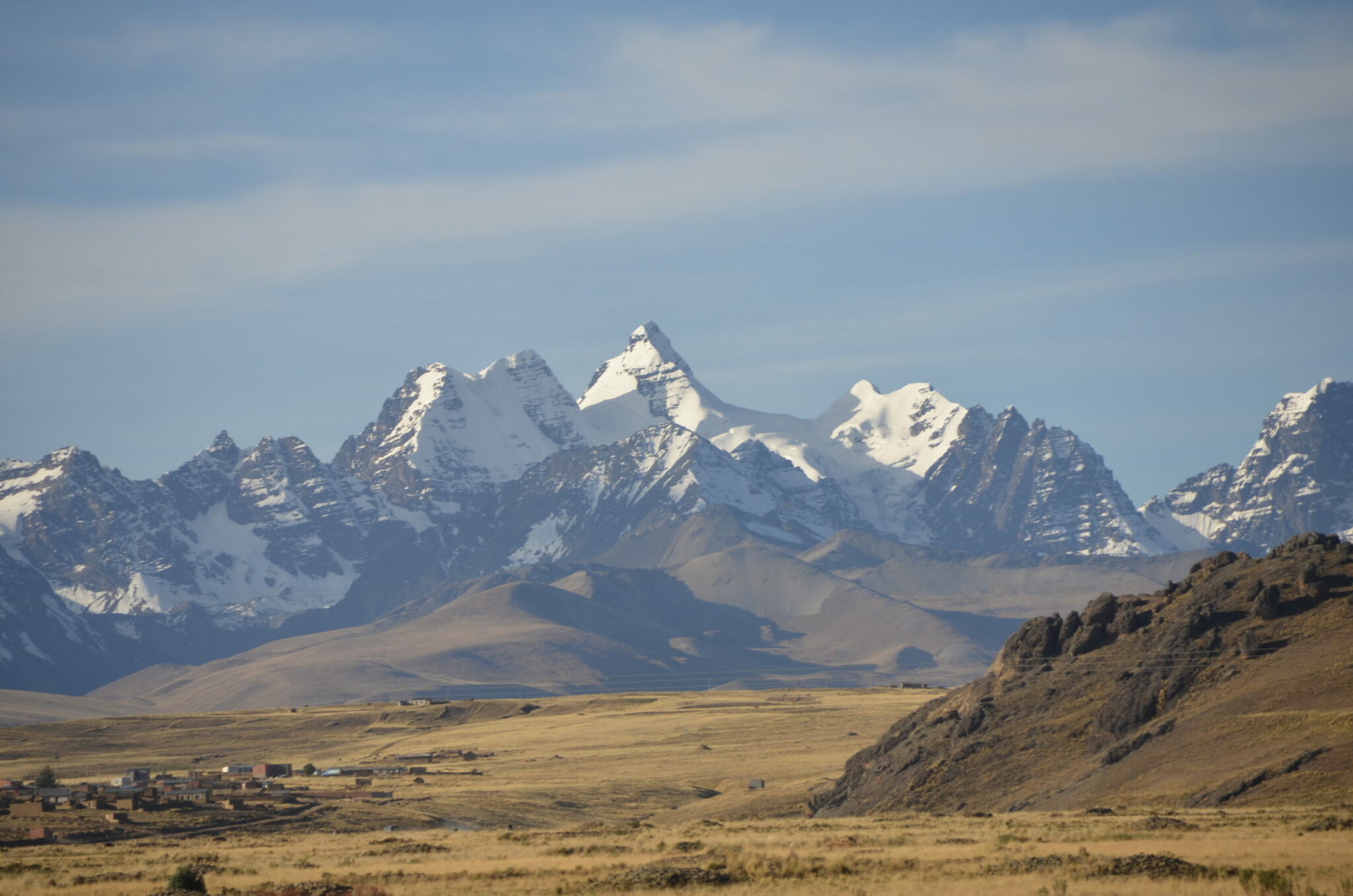
Mt. Tarija in Bolivia is a great introduction to South American climbing

The climb is easily accessed from La Paz giving you an opportunity to climb Mt.Tarija and head onto your next Bolivian climb. Mt. Tarija stands at 5,320m/ 17,454ft and needs quality acclimatization to achieve the summit. We boast 95% success rate to date on this climb. We achieve this by adding in one extra day in the critical acclimatization period.

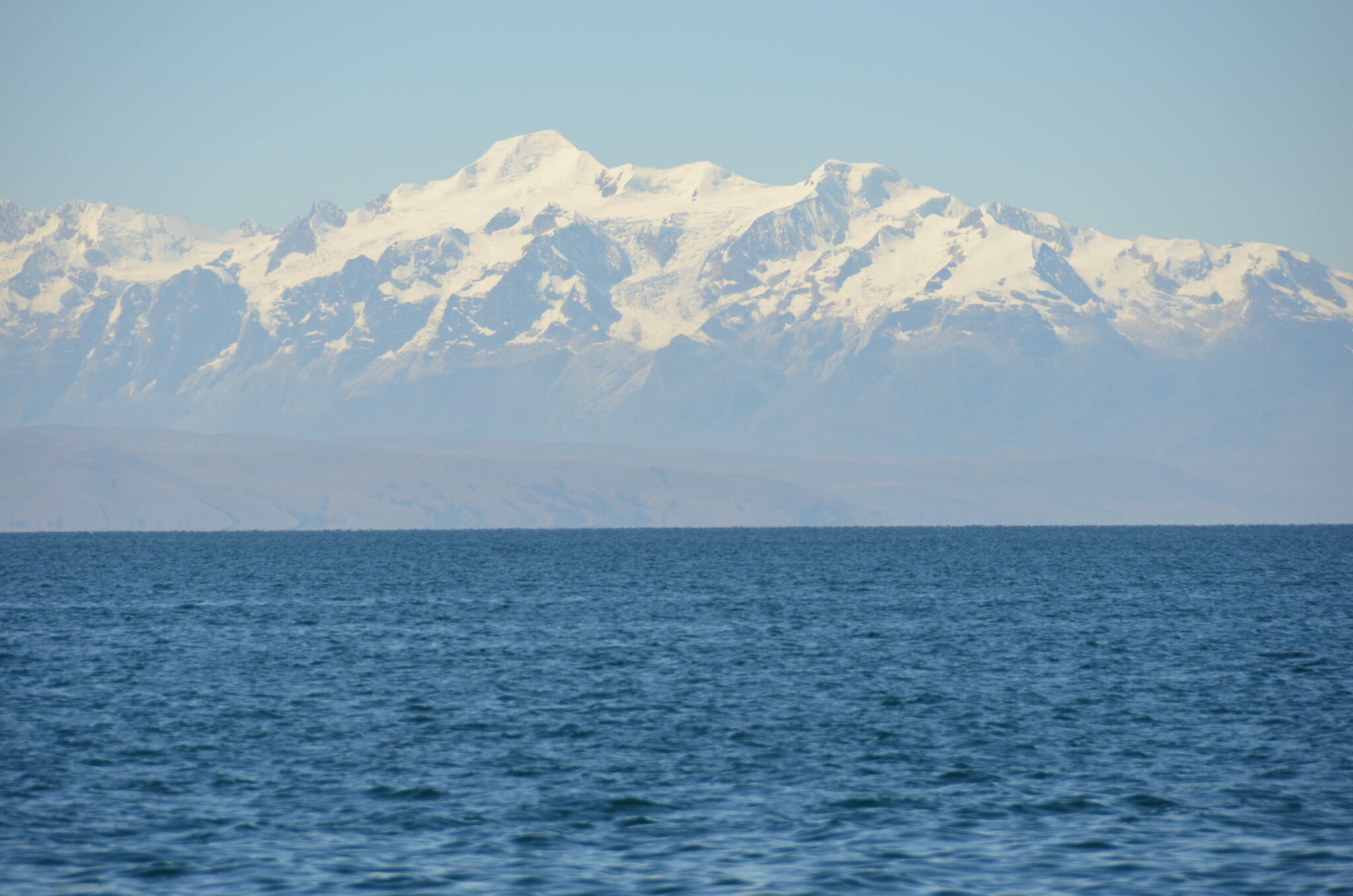
We have a great team on the ground ready to lead you to success. From La Paz we will acclimatize on Lake Titicaca at 4,000m/ 13,123ft and spend an additional day in Tarija base camp to give you the best chance to standing on the summit.

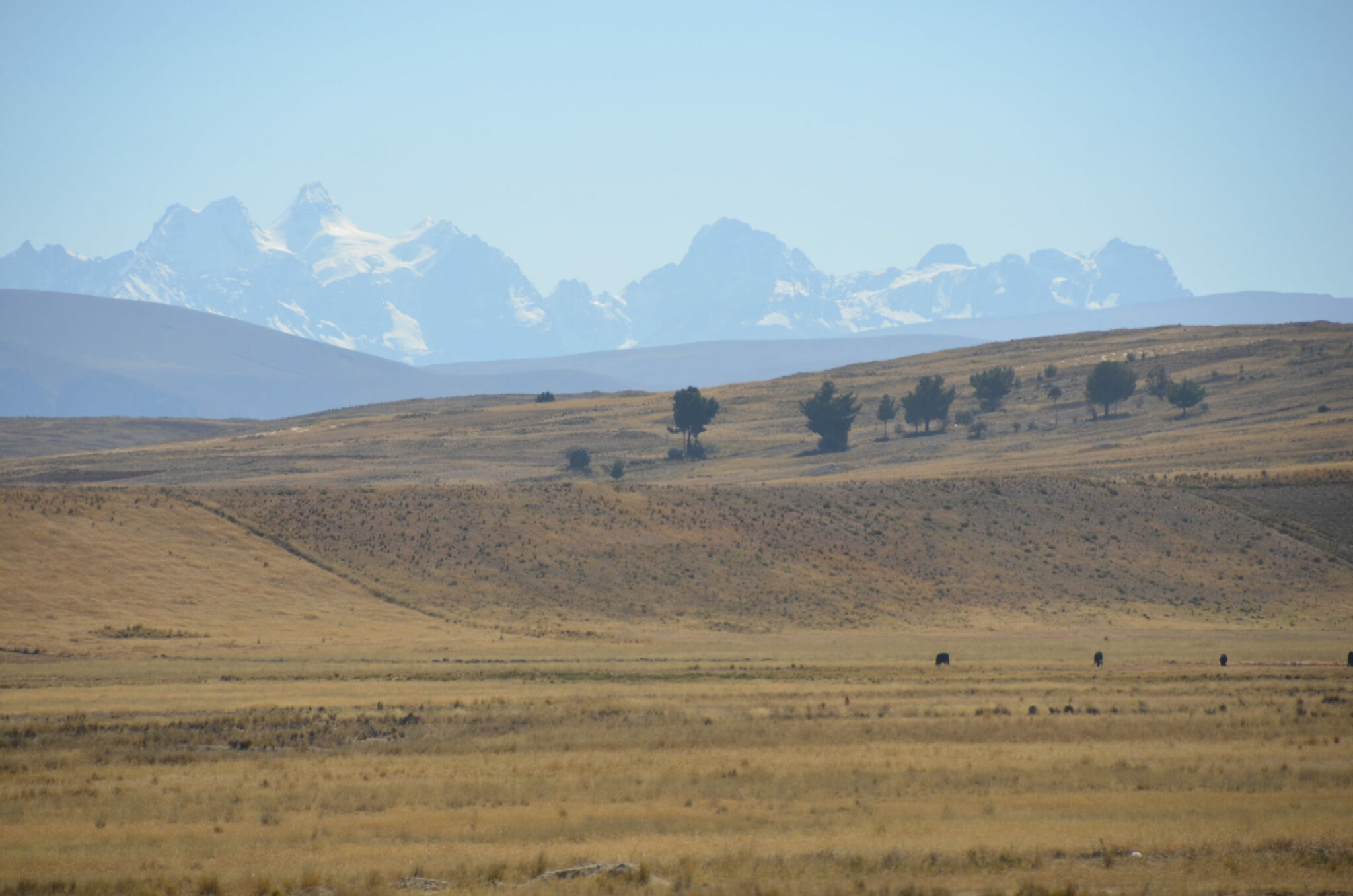
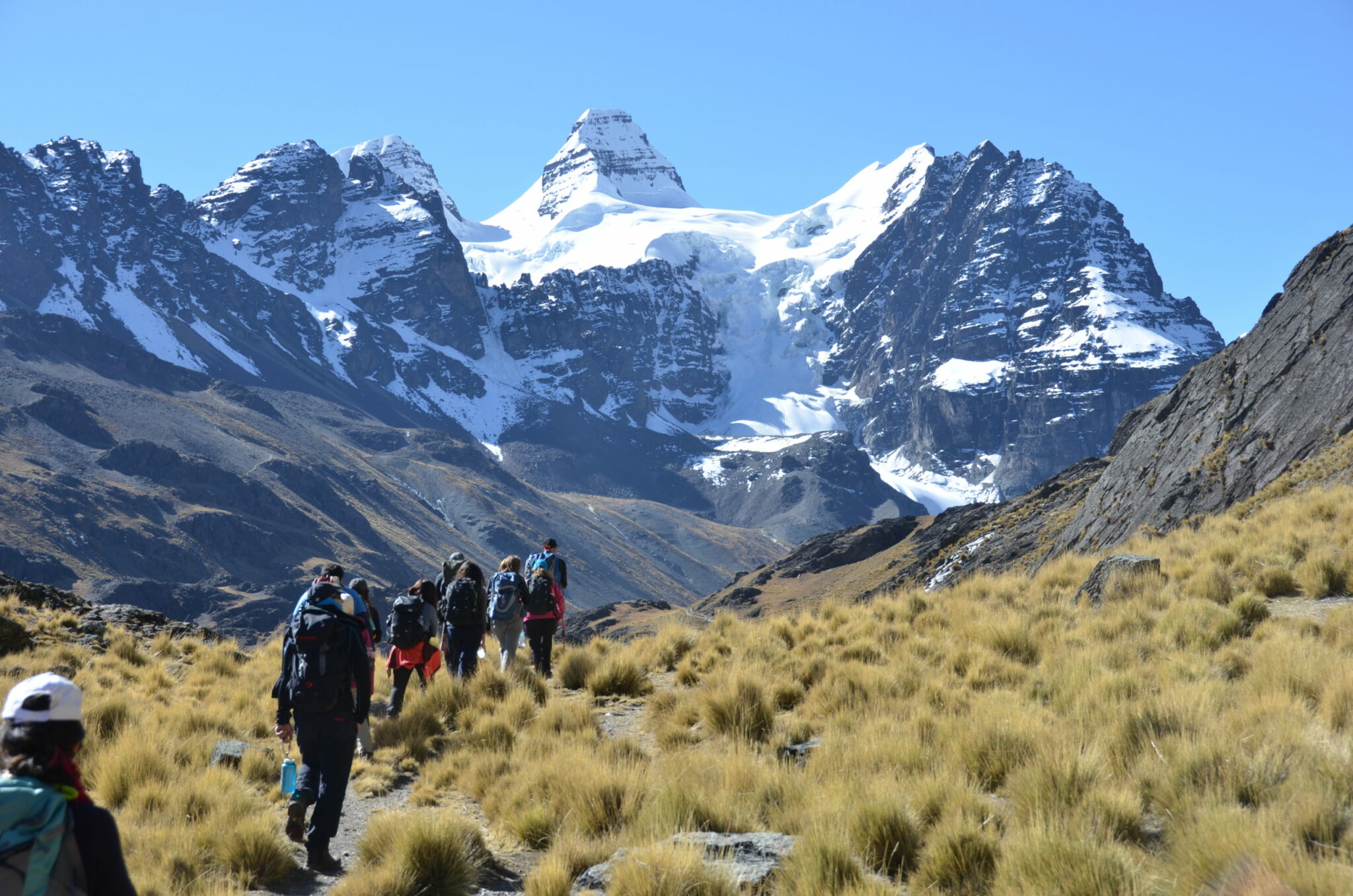
The quickest route into the region is by bus, leaving from La Paz it takes three hours to arrive at the trail head. Then an additional two hour hike into Mt. Tarija base camp at 4,700m/ 15,420ft.
Upcoming Trips

No trips found.

Itinerary

1
Day

Day 1

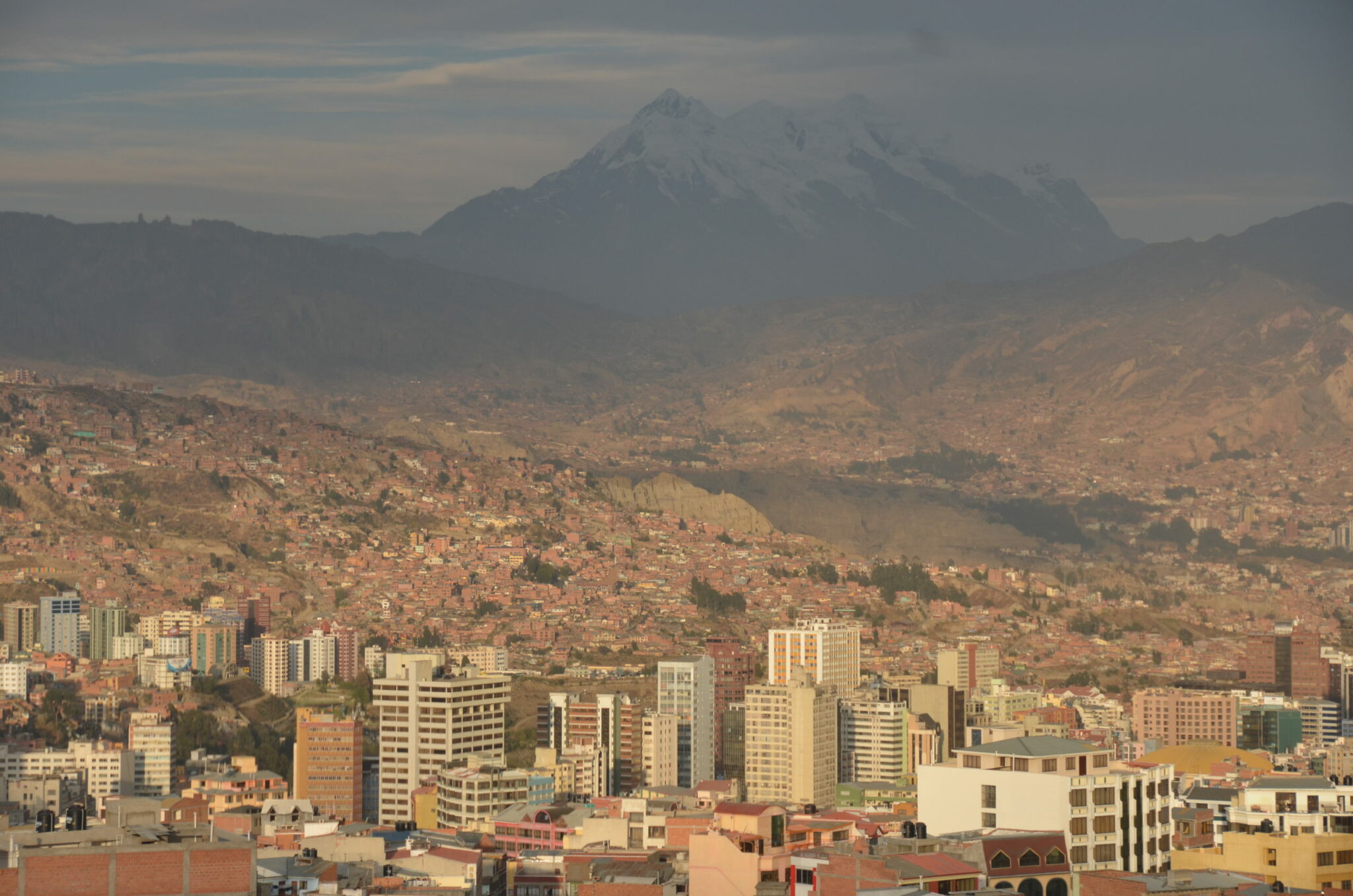
Fly to La Paz in Bolivia, Some people may choose to fly in a day early to have an extra day in La Paz to get extra acclimatization. La Paz is at 3,600m/ 11,811ft so arriving getting re-hydrated and relaxing is important at this height. We will walk through the streets of La Paz, visit the witches market and journey up the Gondola for a great city view of La Paz.Overnight hotel(D)

2
Day

Day 2

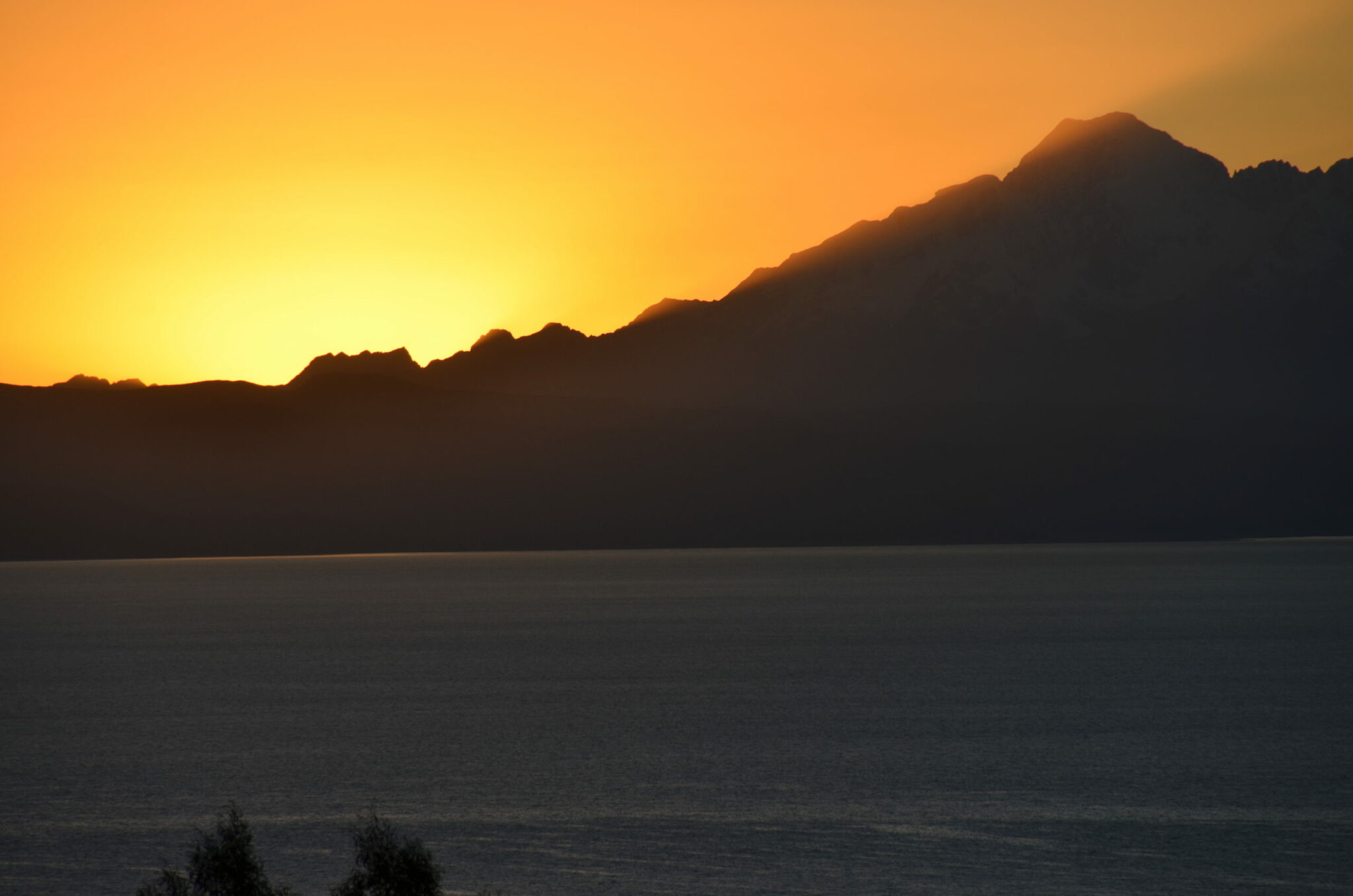
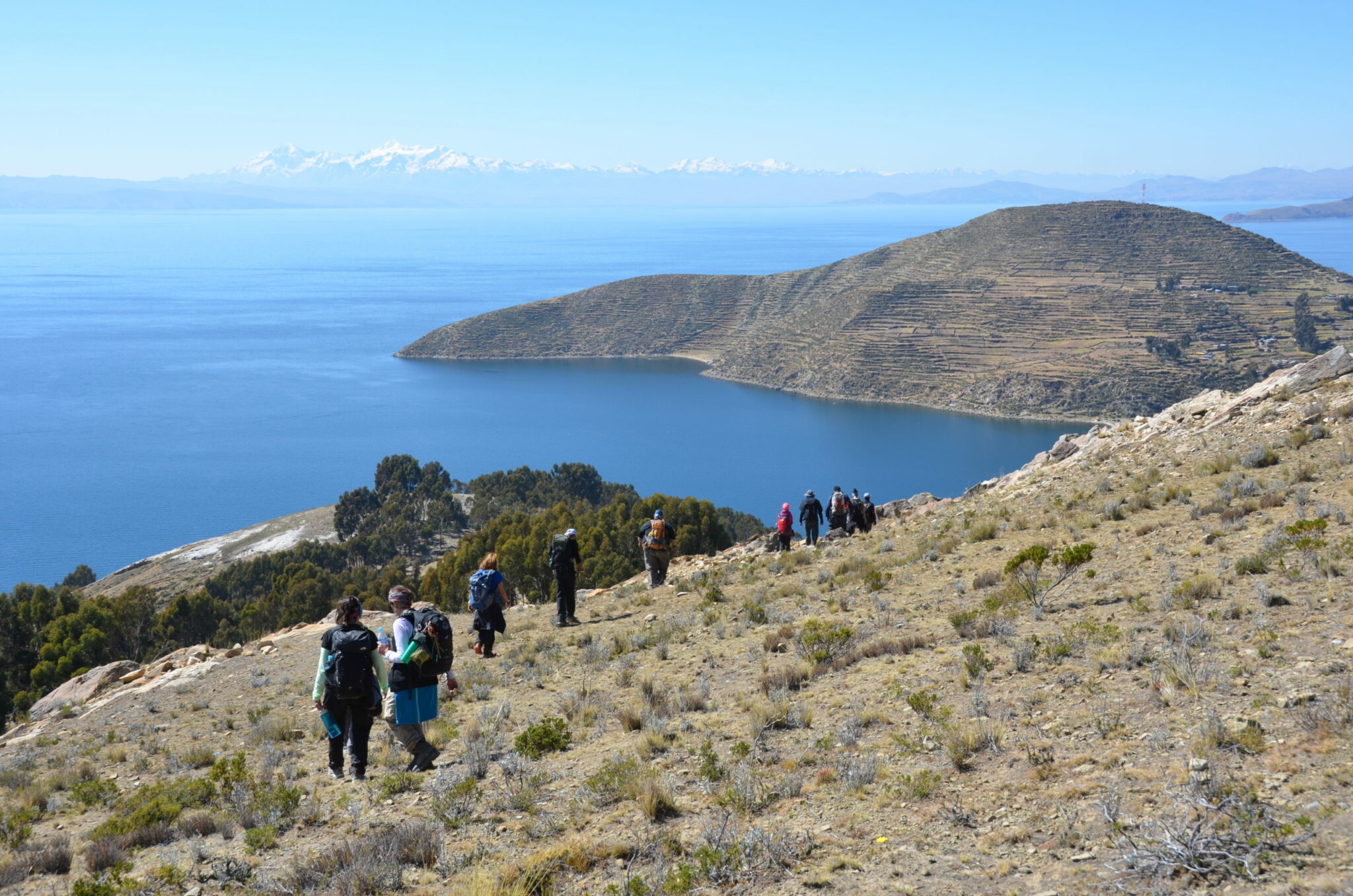
After a good nights sleep We head off to visit Lake Titicaca for further acclimatization. We take a boat ride on Lake Titicaca to the Island of the Sun. While exploring the islands there is a marvelous feeling of timelessness about the Inca sites and the local people’s traditional way of life that indeed resembles that of their Inca ancestors. Overnight Ecolodge La Estancia (B,L,D)

3
Day

Day 3

We leave La Estancia early and hike 4hrs to Challapampa and then a boat ride to Copacabana, explore the local markets, streets and enjoy the unique lake village of Copacabana and return to La Paz. Overnight in La Paz (B,L,D)

4
Day

Day 4

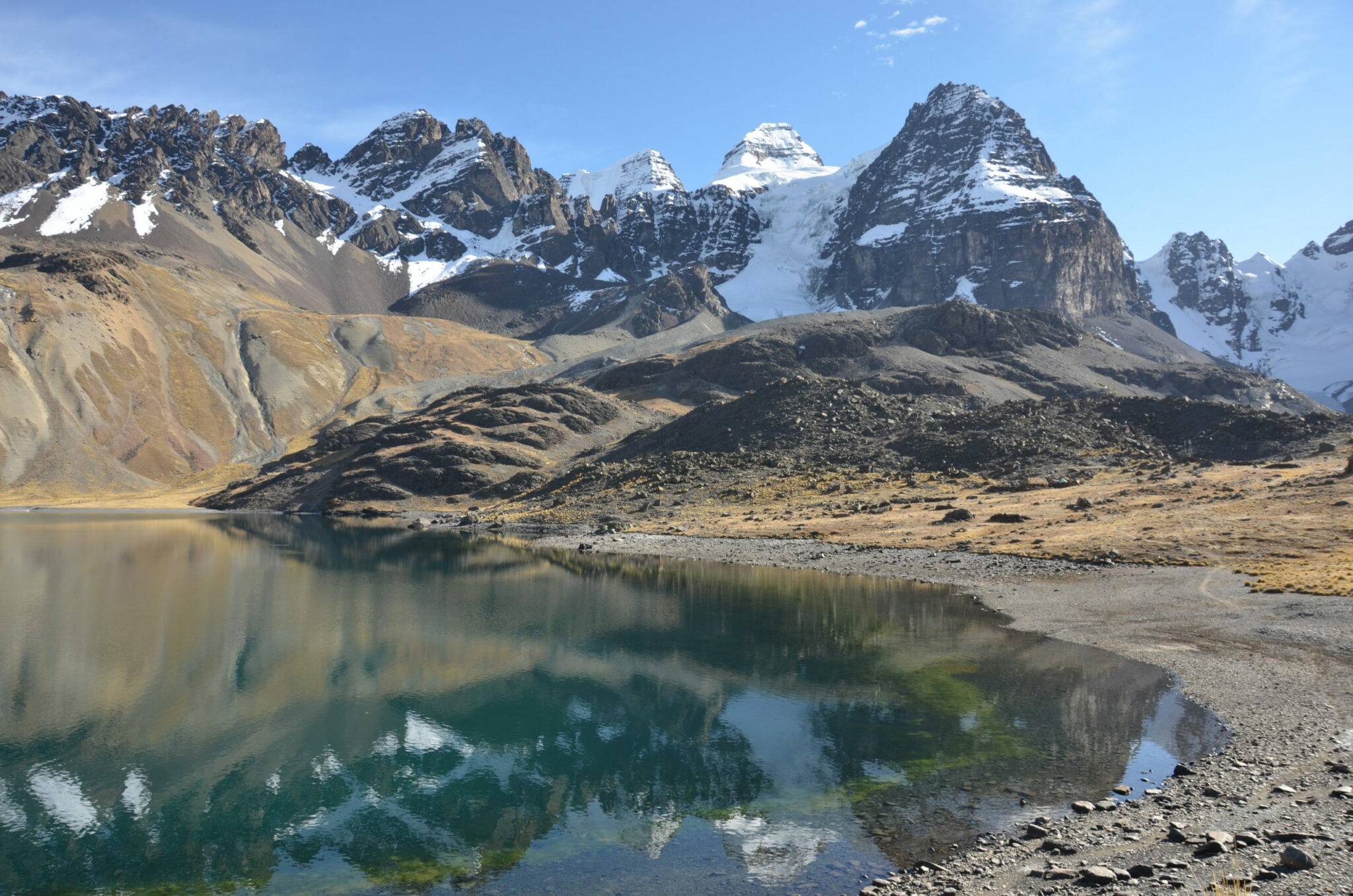
After a good nights sleep in La Paz we are up early and drive to the trailhead (Tuni) at 4,400m/ 14,436ft, at the trail head we load burros with our gear for transport to base camp. We take a path that goes up the trail is easy to see as it goes up, passing over the first lake in the way to the Chiar Khota lagoon, at 4,680m/ 15,354ft. We surround the lagoon by the southern side and we set the base camp at the foothills of Nevado Condoriri at 5,700m/ 15,420ft. Surrounded by a huge amphitheatre of impressive peaks. Today we become further acclimatized to the altitude. We brush up on our glacier skills in the afternoon and spend the rest of the day relaxing and preparing for our first climb. Overnight Camp (B,L,D)

5
Day

Day 5

Today we will acclimatize further by hiking up a near by hill at 5,000m/ 16,404ft for a great view of the surrounding mountains. After a three hour hike we will return to base camp and finalize our training and preparation for our summit attempt on Mt. Tarija.

6
Day

Day 6

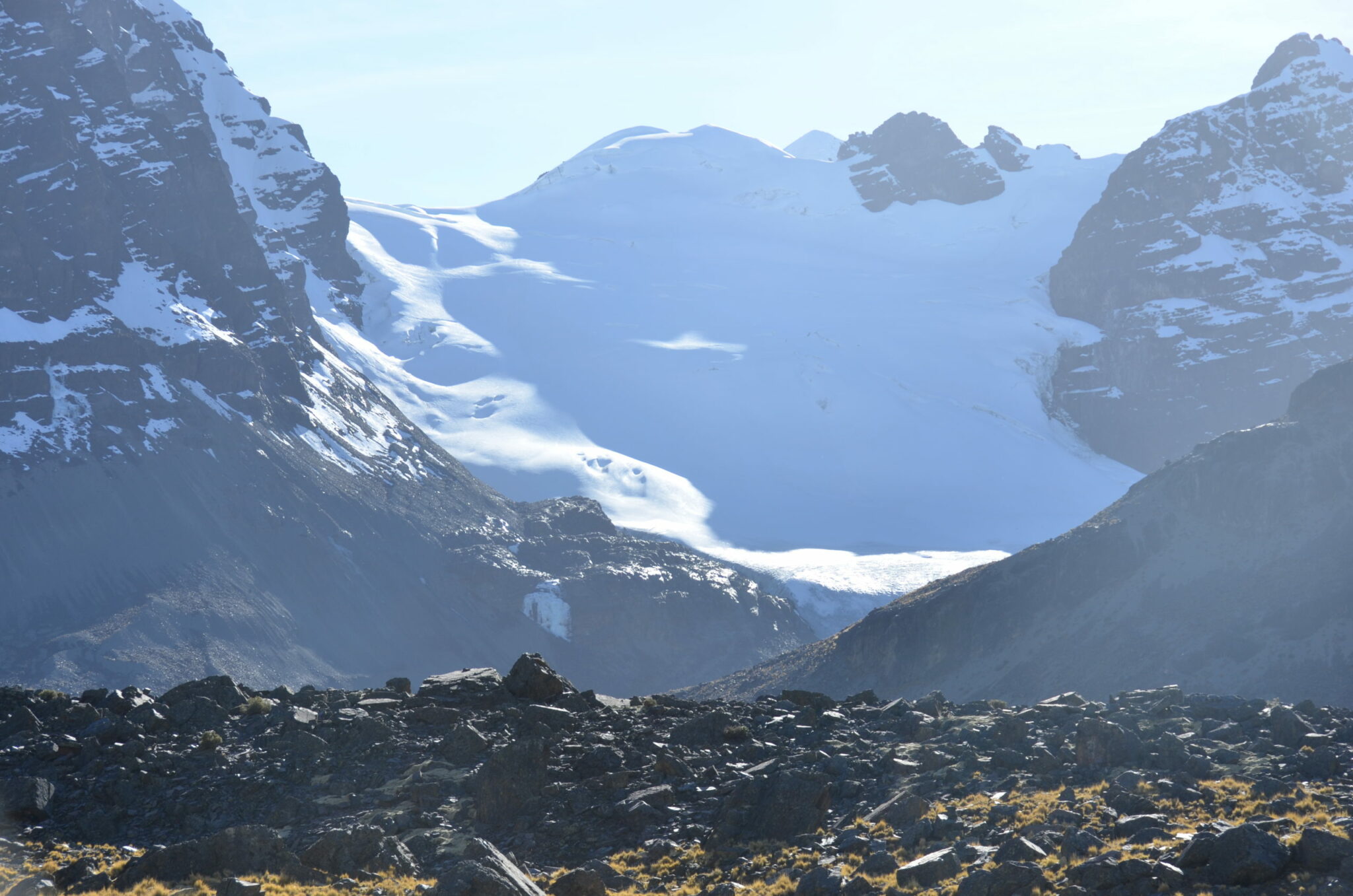
Climb Mt. Tarija 5,320m. Depending on the group we will have an early start for our ascent of Tarija 5,320m. The route begins at the snout of the glacier about 1 hour from the camp. Here we setup our crampons and harnesses, rope up. Initially the climb ascends the glacier at a moderate angle slowly traversing right up to a small summit to eventually reaching the summit. We will pick the safest route to the summit zig zagging back and forth along the route. The final ascent to the summit is steep and narrow with a small summit. You will be rewarded with great views and amazing mountain scenery. We return by the same route to base camp. The climb should take 6/8 hours. Overnight Camp (B,L,D)

7
Day

Day 7

We pack up our camp and walk out to meet our transport at the road head by mid day. We then drive back to La Paz. Overnight stay in La Paz (B,L,D)

8
Day

Day 8

Today we either journey to Peru and trek the Inca Trail or continue on to climb a higher Bolivian peak. Let us know what you would be interested in doing and we can help you on your climbing adventure in Bolivia. If this is your journey’s end you will be transferred back to the airport for your journey home.

Advice

1. Build Your Fitness for Sustained Uphill Effort

Mount Tarija isn’t technically demanding, but it does ask a lot of your endurance. Expect long, steady days of uphill walking with a pack at altitude. We recommend building up your cardio base at least 8 to 12 weeks before your trip, with a focus on hiking with a weighted pack, stair climbing, and steady aerobic work rather than short, intense efforts. The fitter you arrive, the more you’ll enjoy the climb and everything around you.

2. Respect the Altitude and Give Acclimatization the Time It Needs

At over 5,300m, altitude is the biggest challenge on this climb. Even fit, experienced trekkers can struggle if they rush the process. We’d recommend spending a few days in La Paz (3,650m) beforehand, or including a shorter acclimatization hike before heading up. Stay hydrated, move at a steady pace, and take your guide’s advice seriously. Getting to the summit is about patience, not speed.

3. Invest in Proper Cold-Weather Gear

Conditions on Tarija can change quickly, and early summit starts mean you’ll often be moving in freezing temperatures before sunrise. A good down jacket, mountaineering boots, warm gloves, and a solid layering system aren’t optional extras. Staying warm keeps your energy up and makes the whole experience more enjoyable. If you’re unsure what to bring, our team is happy to point you in the right direction for Bolivian alpine conditions.

4. Pick Up Some Basic Mountaineering Skills Beforehand

Tarija is considered a straightforward snow peak, but you’ll likely use crampons and an ice axe depending on conditions. If you can get some basic snow and ice experience before you arrive, even a one-day course, it’ll make a real difference to your confidence on the mountain. If you’re newer to mountaineering, don’t worry. Our guides will be there to support and instruct you throughout, but a little familiarity beforehand always helps.

5. Stay Flexible and Trust the Process

Weather in the Cordillera Real moves fast. Summit attempts usually start in the early hours to make the most of stable morning conditions, and sometimes we’ll adjust the timing or pace along the way. Going into the climb with an open mindset makes everything easier. The mountain always has the final say, and your safety and experience are what matter most to us.

Training

1. Train For Endurance

Mount Tarija is primarily an endurance challenge. Summit day involves sustained uphill movement at altitude, often in cold conditions and sometimes on snow, so your training should reflect that. Focus on long, steady hikes of two to five hours, stair climbing or hill walking, and lower intensity sessions like cycling, rowing, or incline treadmill work. The idea is to gradually increase how long you’re moving rather than how hard. Training three to five days a week for at least eight to twelve weeks before your climb gives your body the base it needs. Steady endurance is what gets you to the top, not short bursts of high-intensity effort.

2. Train With a Backpack

You’ll be carrying a day pack during the climb, so it’s worth getting used to that in training. Start light, around 5 to 6kg, and gradually work up to 8 to 10kg over the weeks leading up to your trip. Hiking hills or stairs with a pack builds the specific leg strength and muscular endurance you’ll rely on during summit day. It also conditions your shoulders and back, which is something a lot of climbers don’t think about until they’re on the mountain.

3. Train Your Legs and Core

Altitude has a way of exposing weaknesses quickly. Strong legs and a stable core help you move more efficiently and hold onto your energy when it counts. Two focused strength sessions a week can make a real difference. Good exercises to include are step-ups, walking lunges, squats, deadlifts, and some core work like planks and rotational movements.

4. Prepare for Sustained Uphill Movement

Tarija isn’t technical, but it is relentless. At 5,300m there are no shortcuts, and the mountain doesn’t ease up. Try to include one longer session each week, three to five hours if you can manage it, to give yourself a sense of what summit day feels like on your legs and your mind. This is where mental resilience gets built just as much as physical fitness. The fitter you arrive, the more comfortable you’ll feel when the air starts to thin.

5. Don’t Underestimate Recovery and Consistency

Consistency matters far more than cramming in hard sessions close to your departure. Avoid the temptation to overtrain in the final weeks. Prioritise sleep, stay well hydrated, progress gradually, and take your rest days seriously. Steady progress over several months will serve you far better than a last-minute push

Why Us

Safety and acclimatization are at the heart of how we run expeditions on Mount Tarija (5,300m / 17,388ft). It’s an accessible peak by Bolivian standards, but it’s still a serious high-altitude climb and we treat it that way. Our ascent plan is measured and paced to give your body the time it needs to adjust, which makes a real difference to both your safety and your chances of reaching the summit.

Our guides are internationally certified and wilderness first responder trained, with extensive experience. They know the terrain, they read conditions well, and they’re skilled at managing the effects of altitude across a range of climbers.

The itinerary we run has been refined over years of expeditions. It’s built around smart pacing and clear decision-making from the first day through to summit morning, giving you the best possible foundation for a safe and successful climb.

FAQ

1. How difficult is Mount Tarija?

Mount Tarija (5,300m / 17,388ft) is one of the more accessible peaks in Bolivia’s Cordillera Real and is often a first step into high-altitude mountaineering. Technically it’s straightforward, but the altitude makes it a serious climb all the same. Good fitness, proper acclimatization, and a steady pace are what make the difference between a comfortable summit and a difficult one.

2. Do I need previous mountaineering experience?

Previous experience is helpful but not essential. Depending on conditions, you may use crampons and an ice axe, and our guides will walk you through everything you need to know. If you’ve had some basic snow and ice experience you’ll likely feel more at ease, but many of our climbers come to Tarija as their first 5,000m peak.

3. How fit do I need to be?

Tarija is more of an endurance challenge than a technical one. You should be comfortable hiking for several hours with a day pack and keeping a steady pace uphill. We recommend eight to twelve weeks of structured training beforehand, with a focus on aerobic fitness, leg strength, and getting used to carrying weight. The fitter you arrive, the more you’ll enjoy it.

4. How important is acclimatization?

It’s the most important factor on this climb. At over 5,300m, altitude is what most climbers find hardest to manage. We’d strongly recommend spending a few days in La Paz or including an acclimatization hike before your summit attempt. Our itinerary is built around a measured ascent to give your body the best chance to adjust.

5. What kind of weather should I expect?

Conditions in the Cordillera Real can shift quickly. Summit mornings are typically cold, often below freezing, with early starts to take advantage of the more stable morning window. Layering well and having the right cold-weather gear makes a real difference. We provide detailed kit guidance ahead of your trip so you know exactly what to bring.

6. What is the typical summit success rate?

Success depends on a combination of acclimatization, fitness, and weather on the day. With good preparation and our structured approach, Tarija has a strong success rate relative to higher and more technical peaks in the region. That said, safety always comes first. The mountain isn’t going anywhere, and making smart calls along the way is part of every expedition we run.

Reviews

Price
From
$4,300
/ person
Information

Country:

South America

Duration:

15 Days

Distance:

17 km

Max. Altitude:

5,320m / 17,454ft

Difficulty:

Medium

Group Size:

12

Ready to go?

Does this Mt. Tarija climb excite you to take the next step towards achieving your goals of reaching a summit high in Mt. Tarija. If so, get in touch today.