Home Norway Crossing Svalbard

Overview

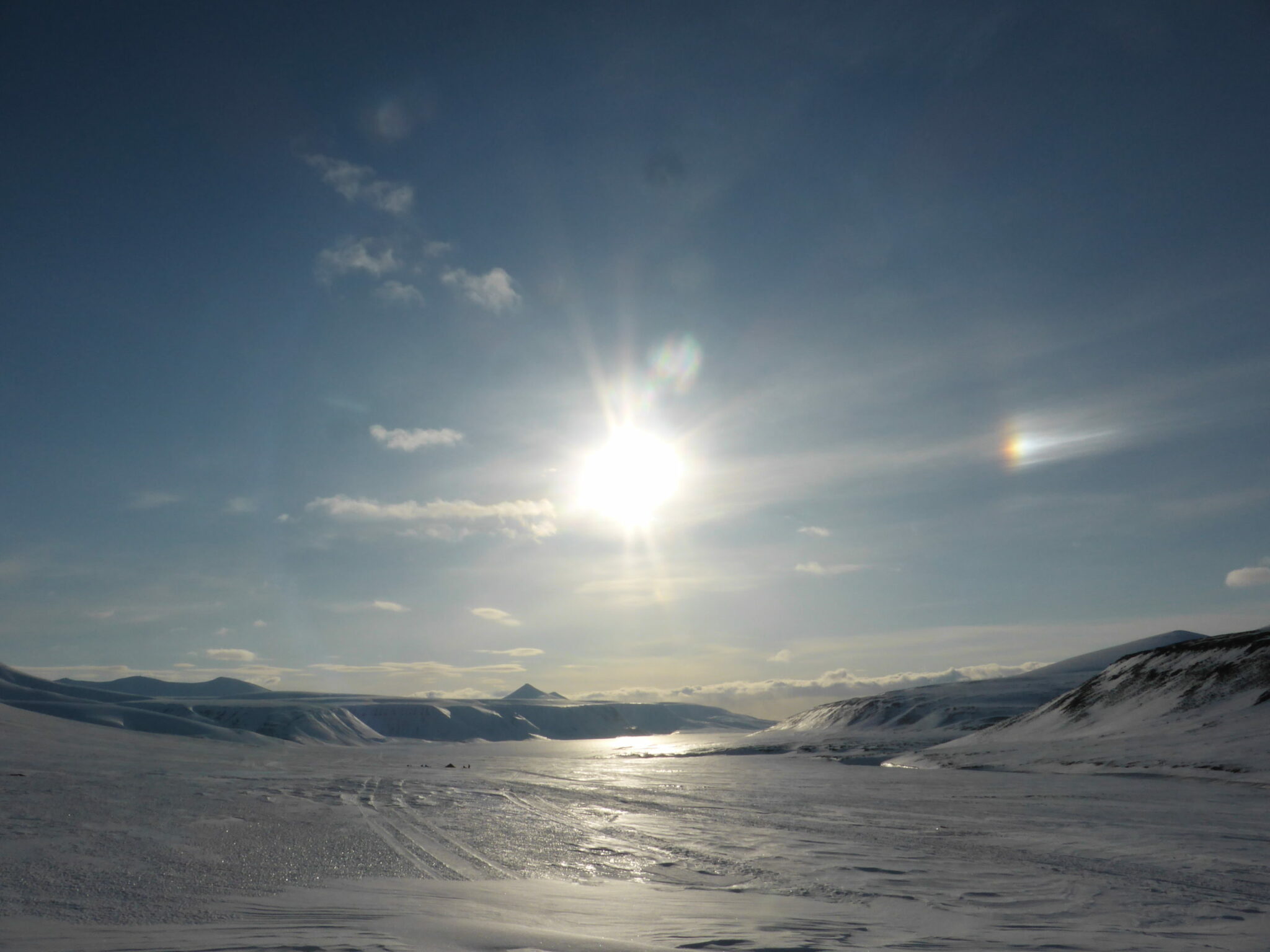
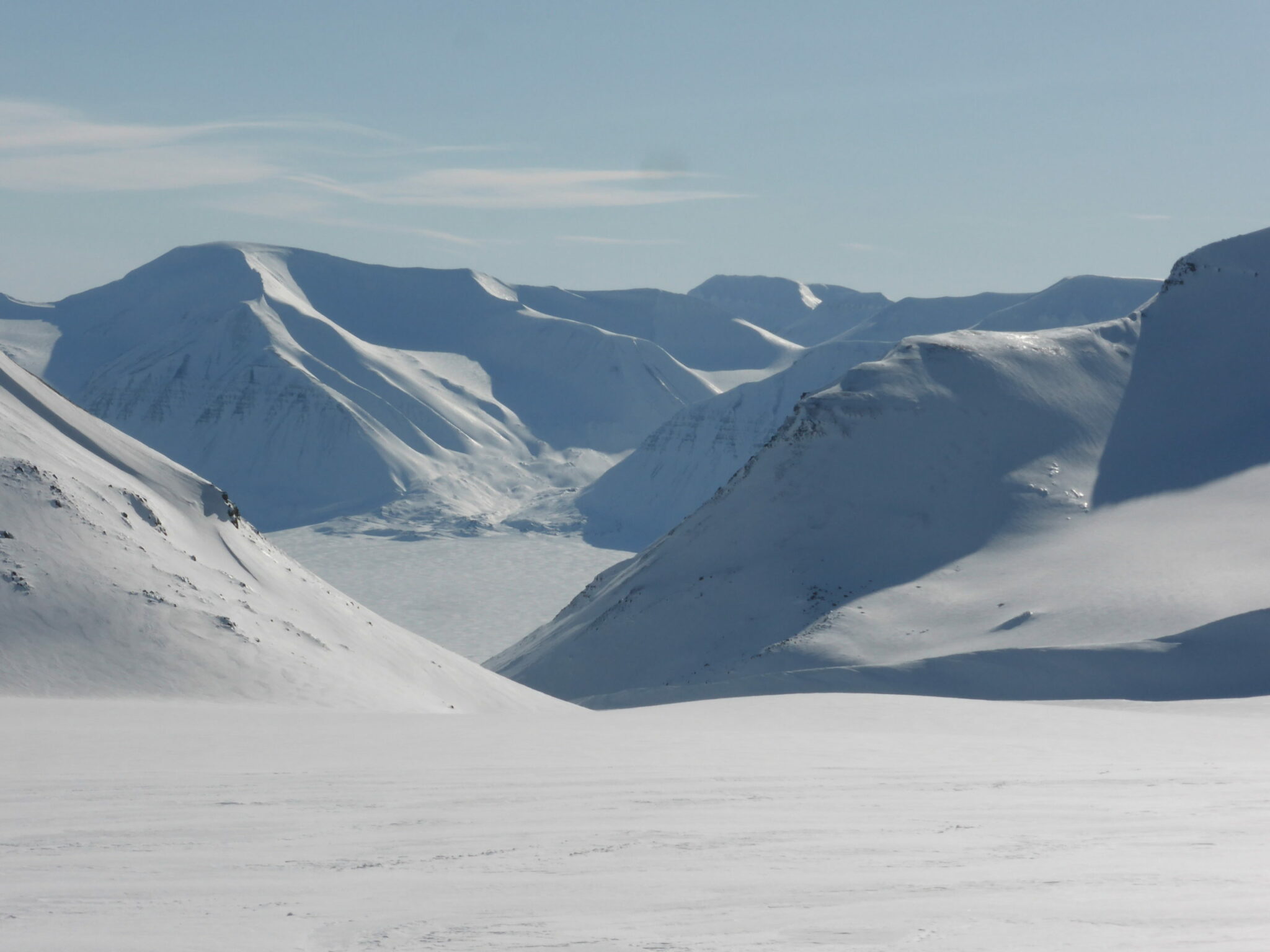
Crossing Svalbard in the far north of our amazing planet is home to polar bears, frozen landscape and is one of the most unique adventure destinations on the planet.

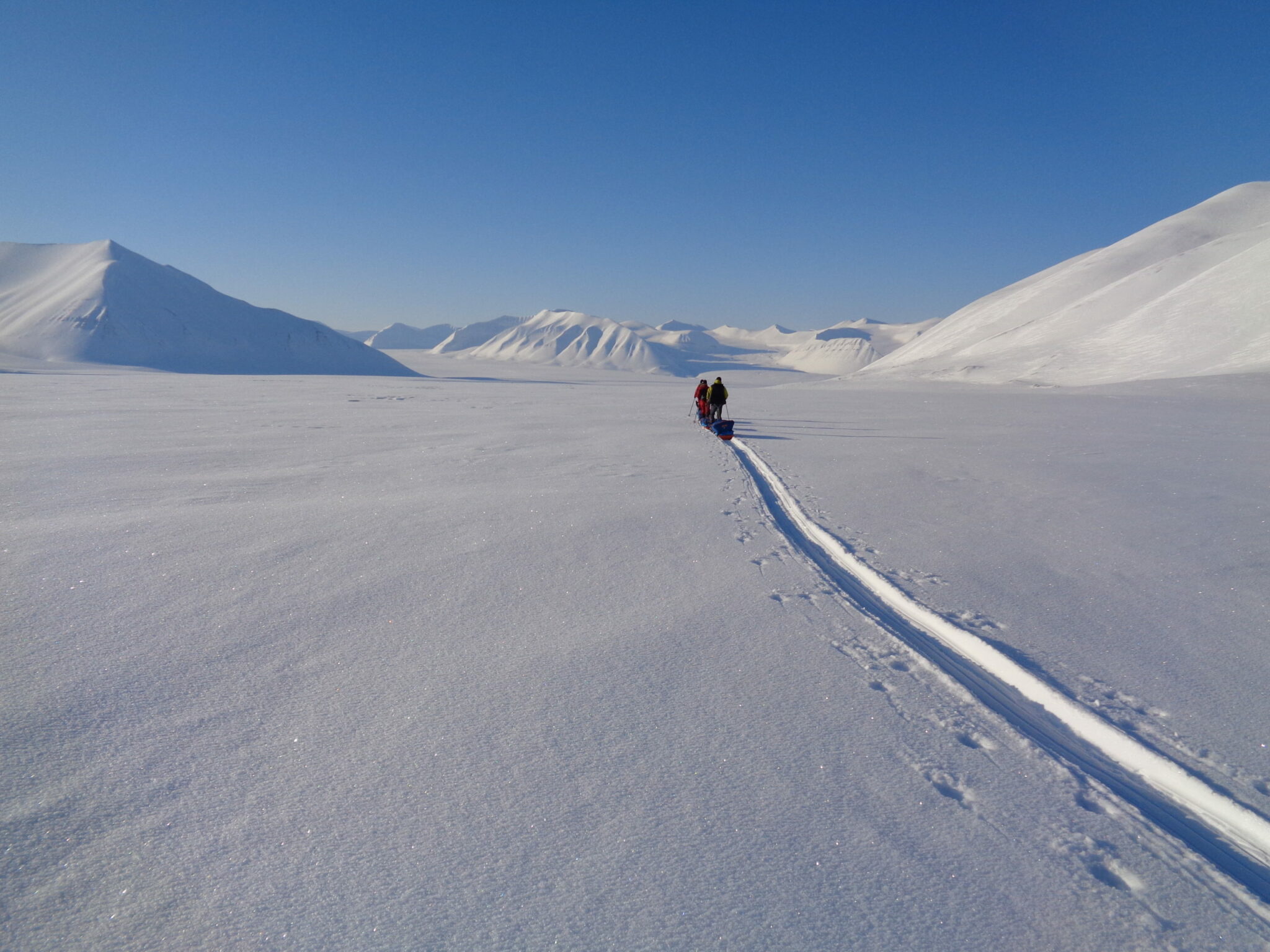
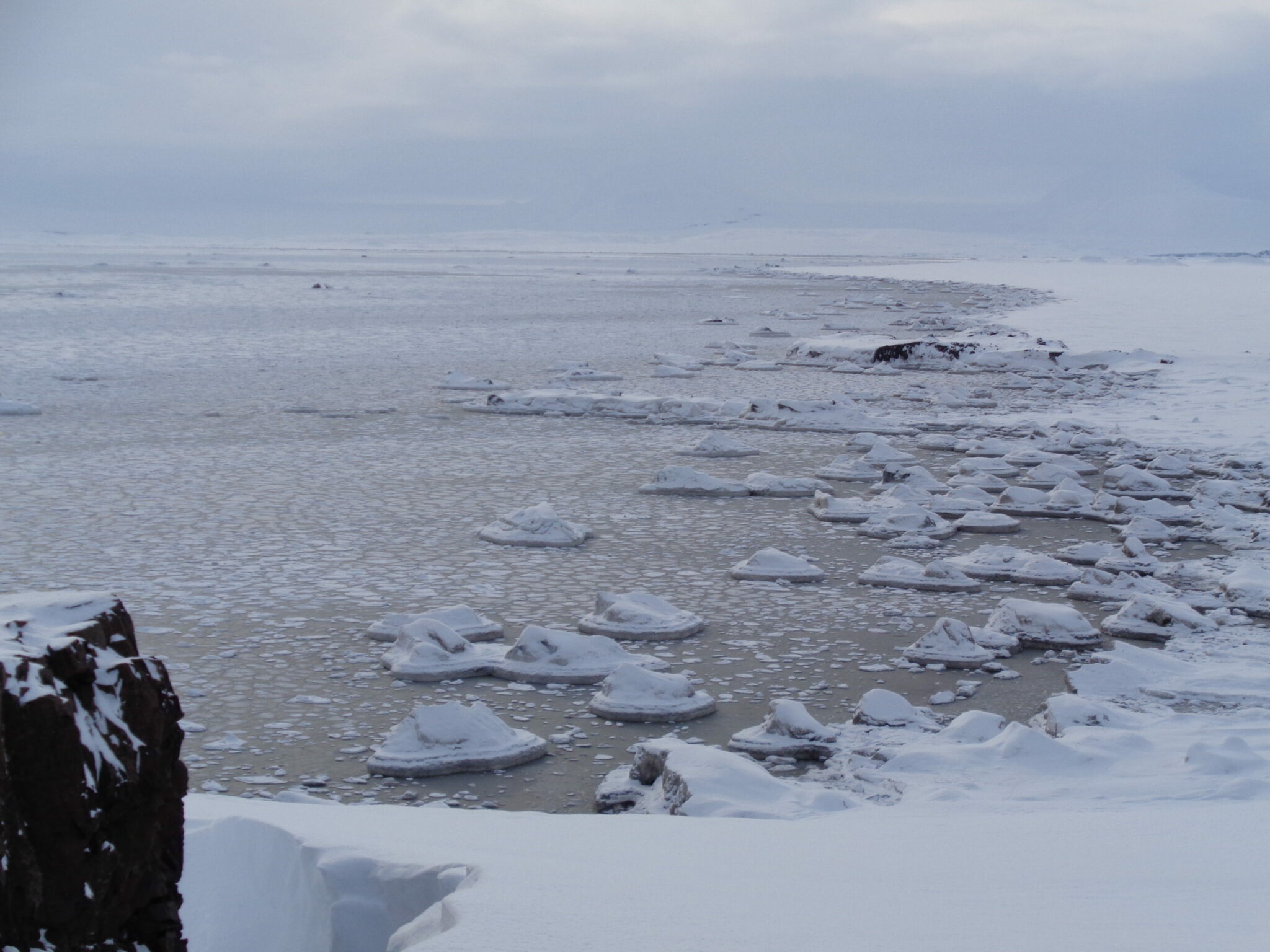
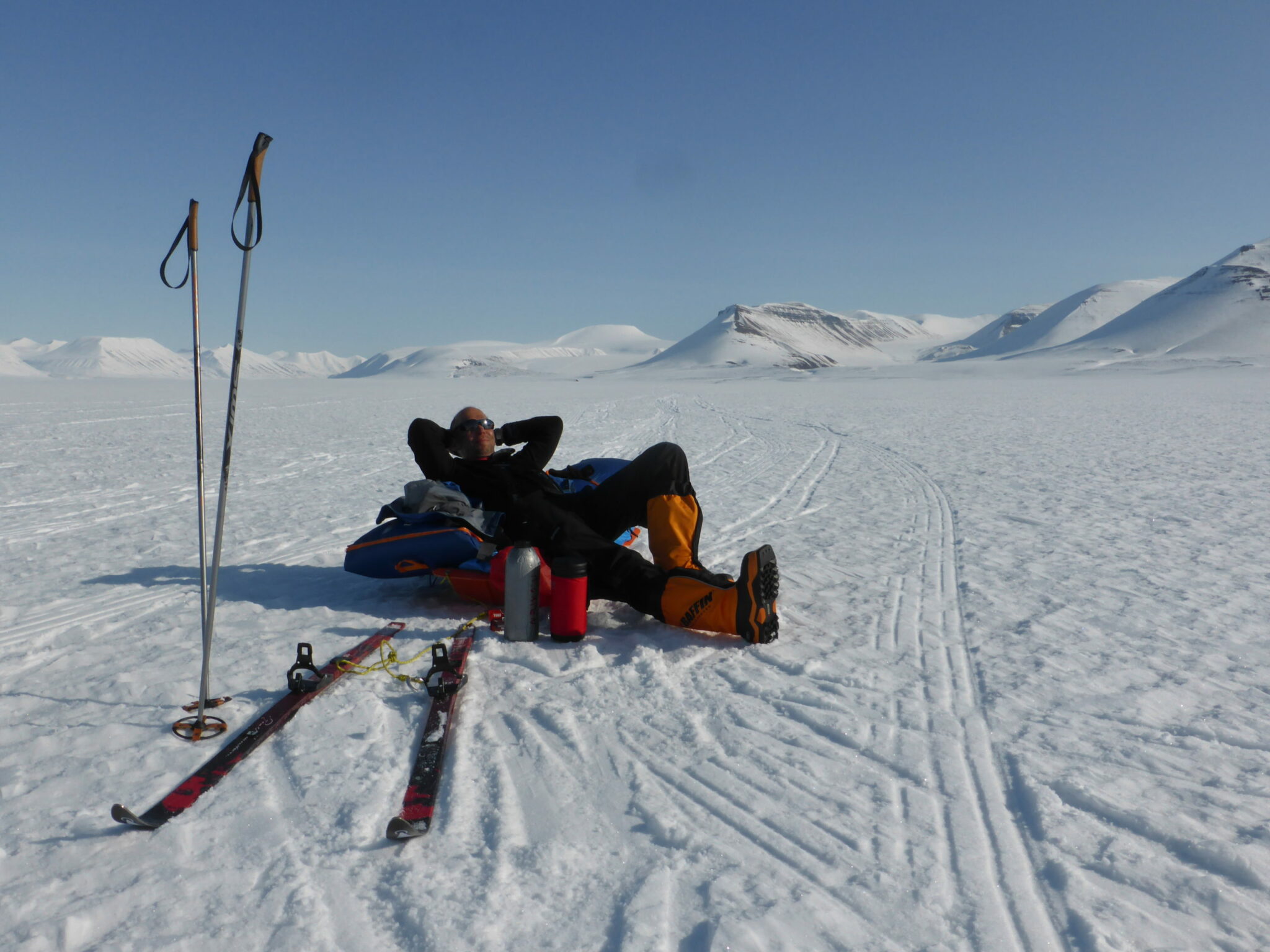
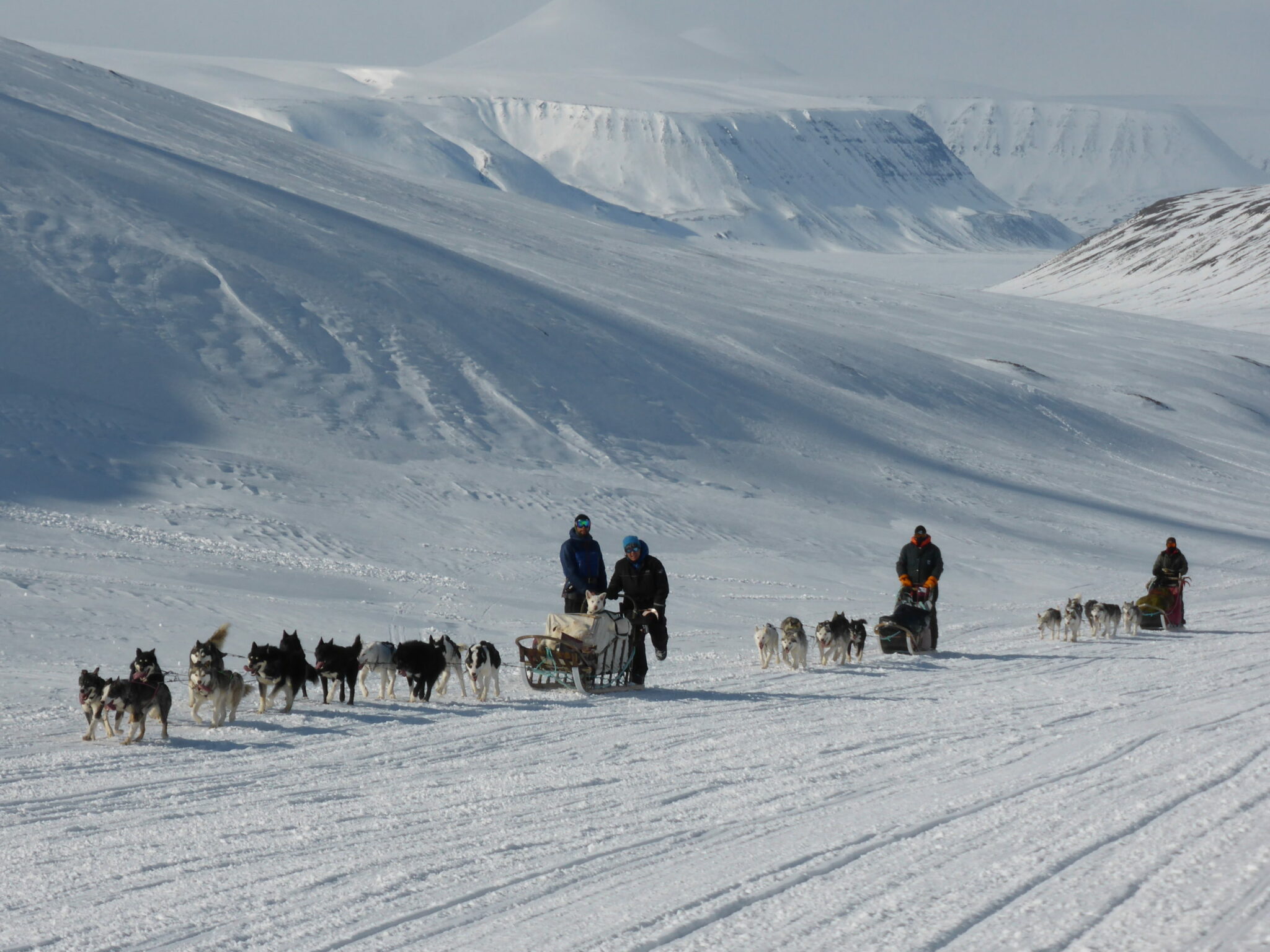
You have completed our Nordic ski and Polar travel course in Norway. Now it’s time to put those skills to practice and ski across Svalbard. You will ski across a frozen ocean and navigate your way through mountain passes and experience one of the most unique landscapes on the planet.

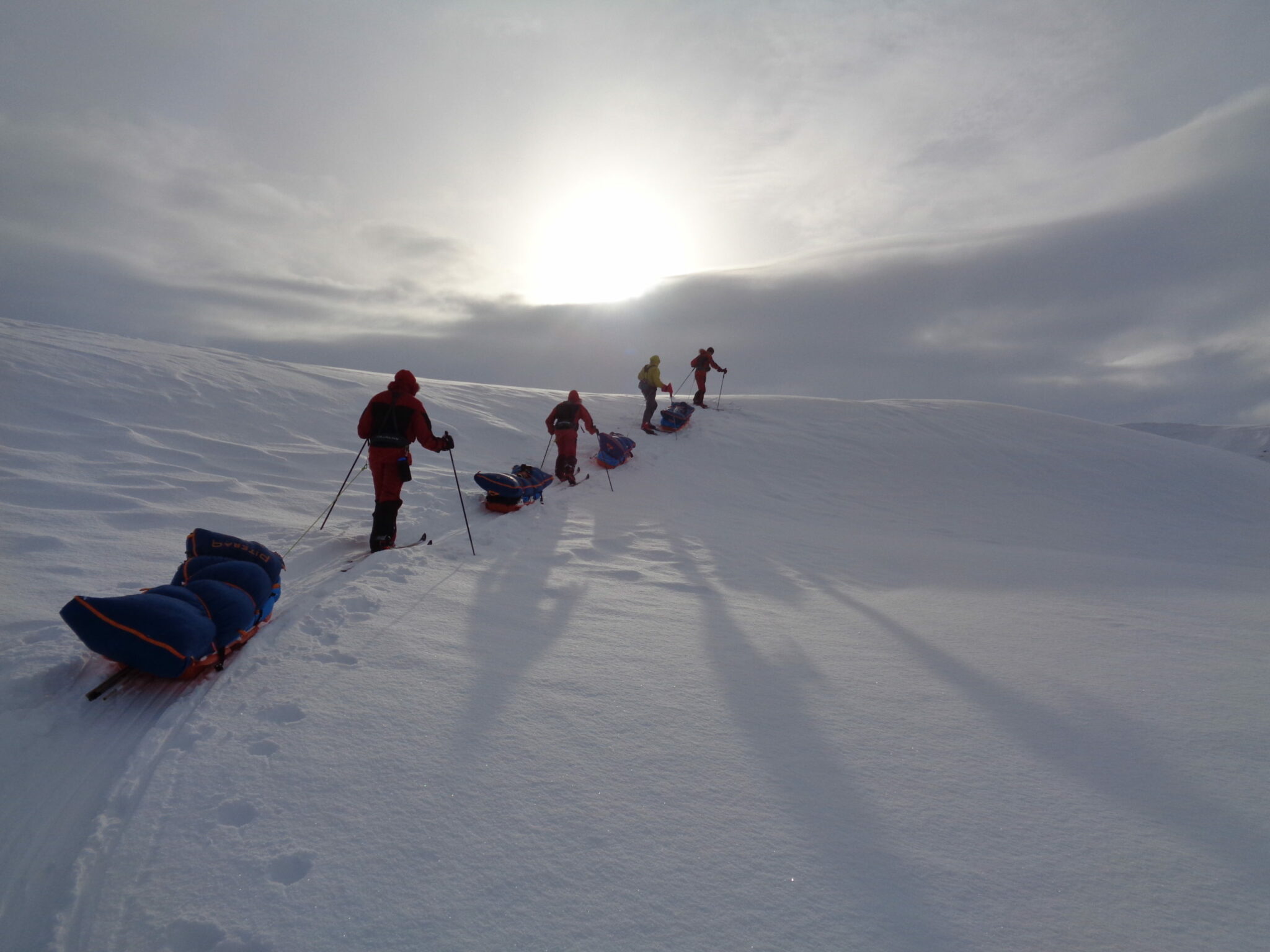
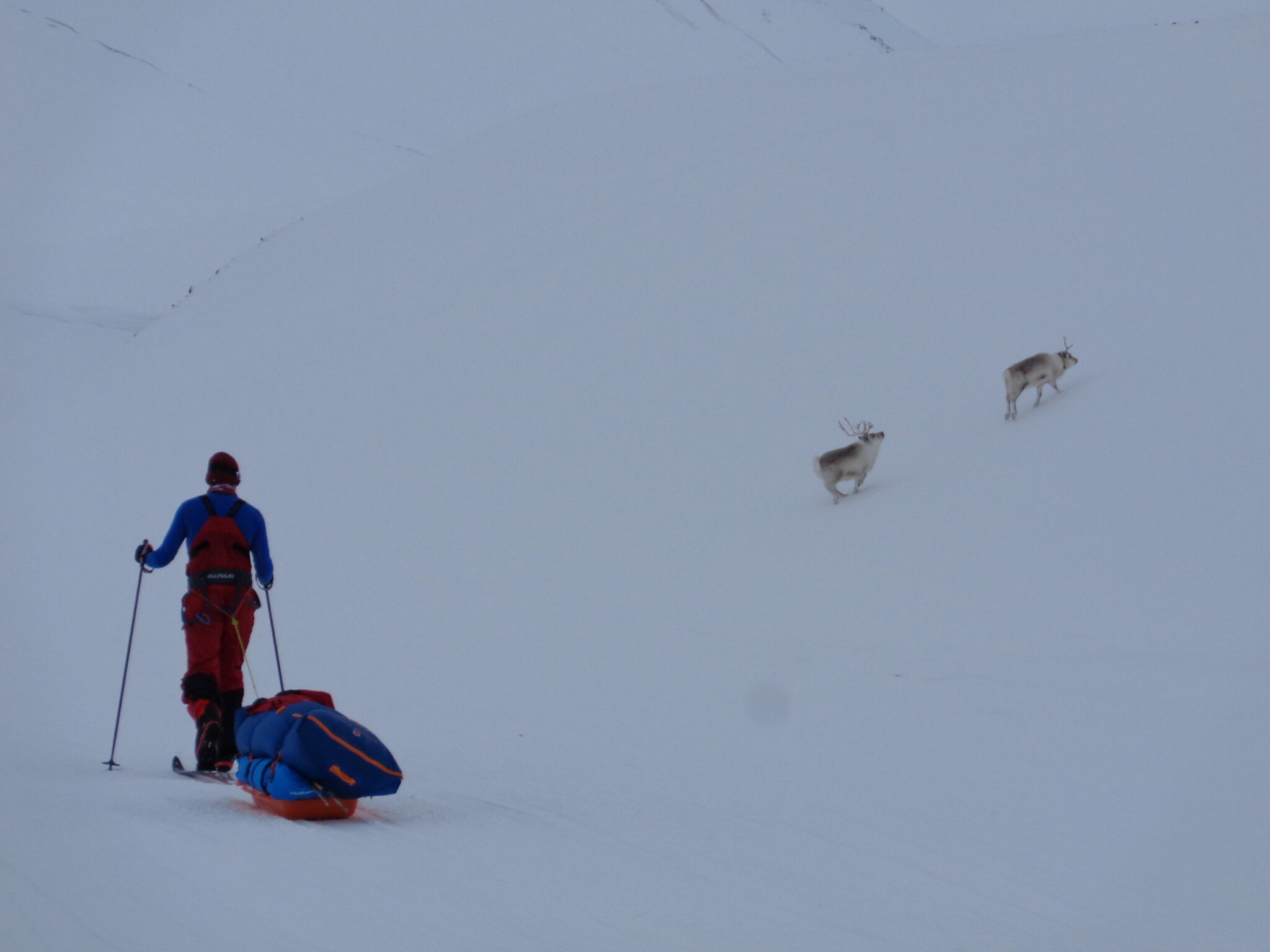
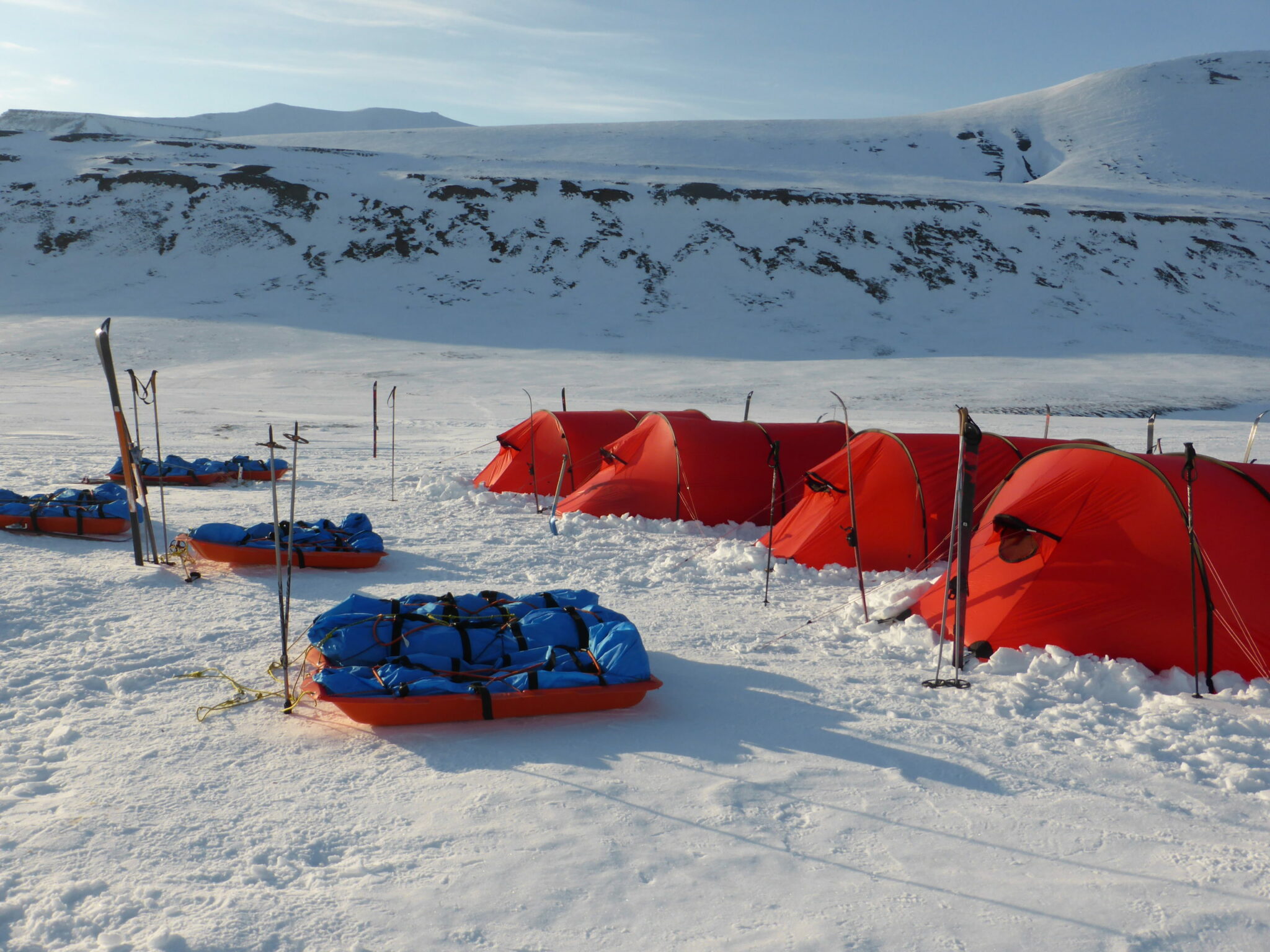
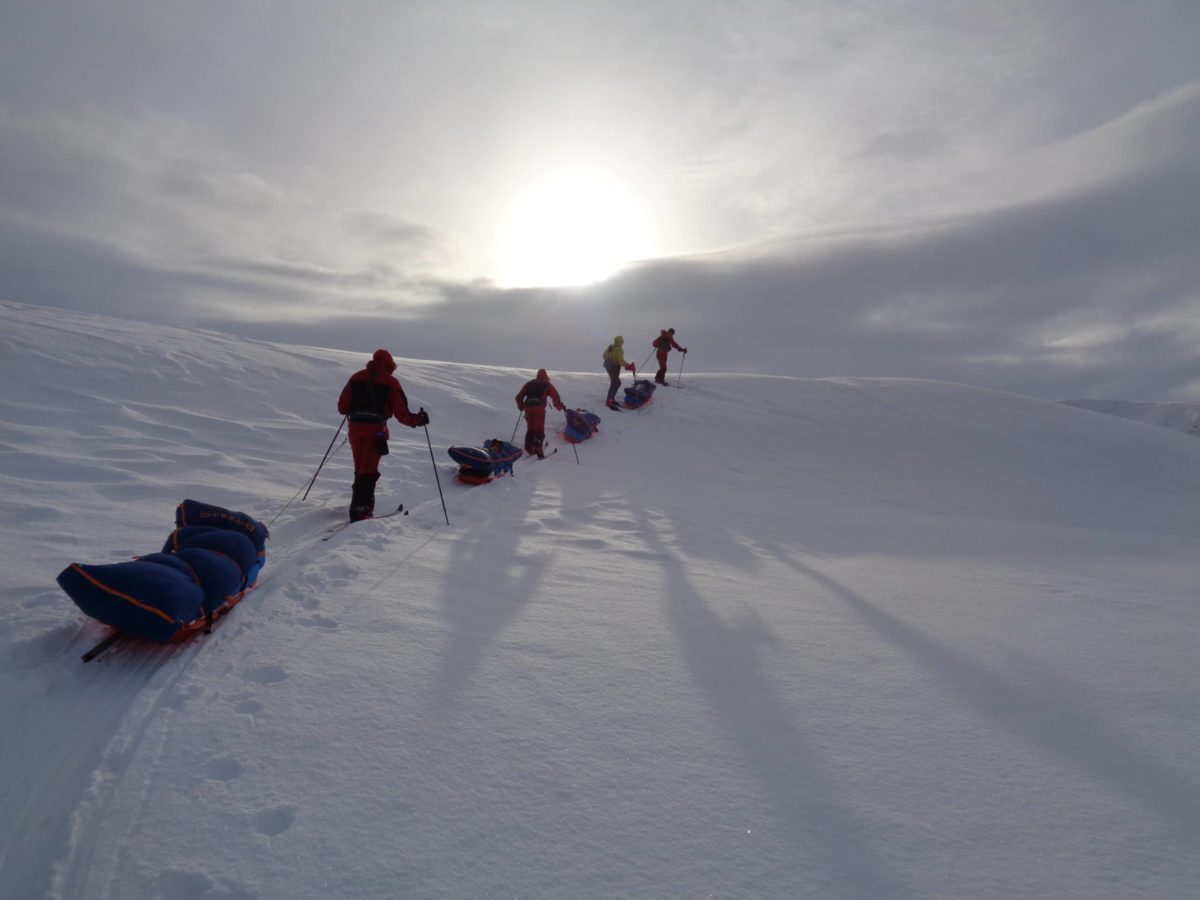
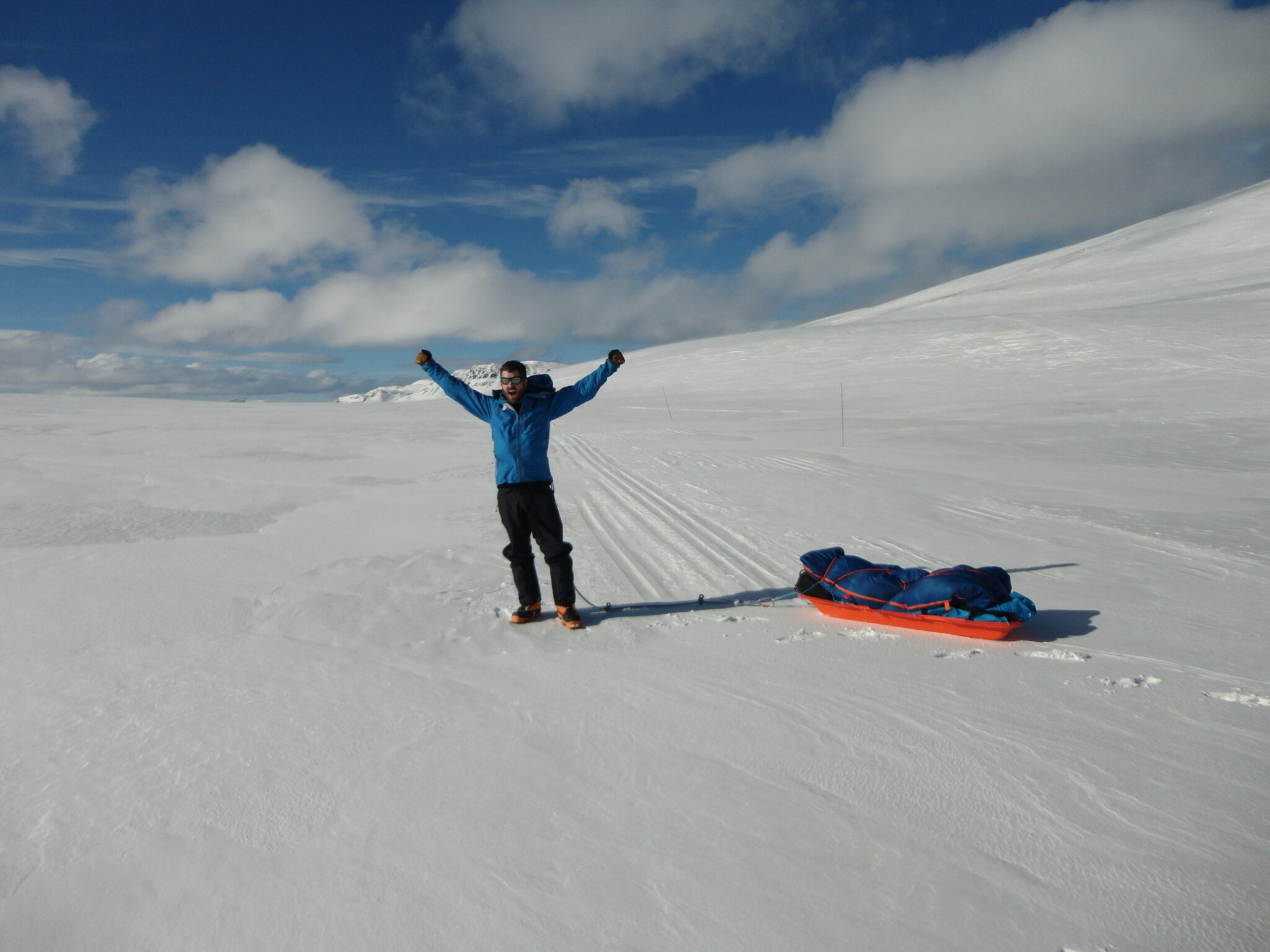
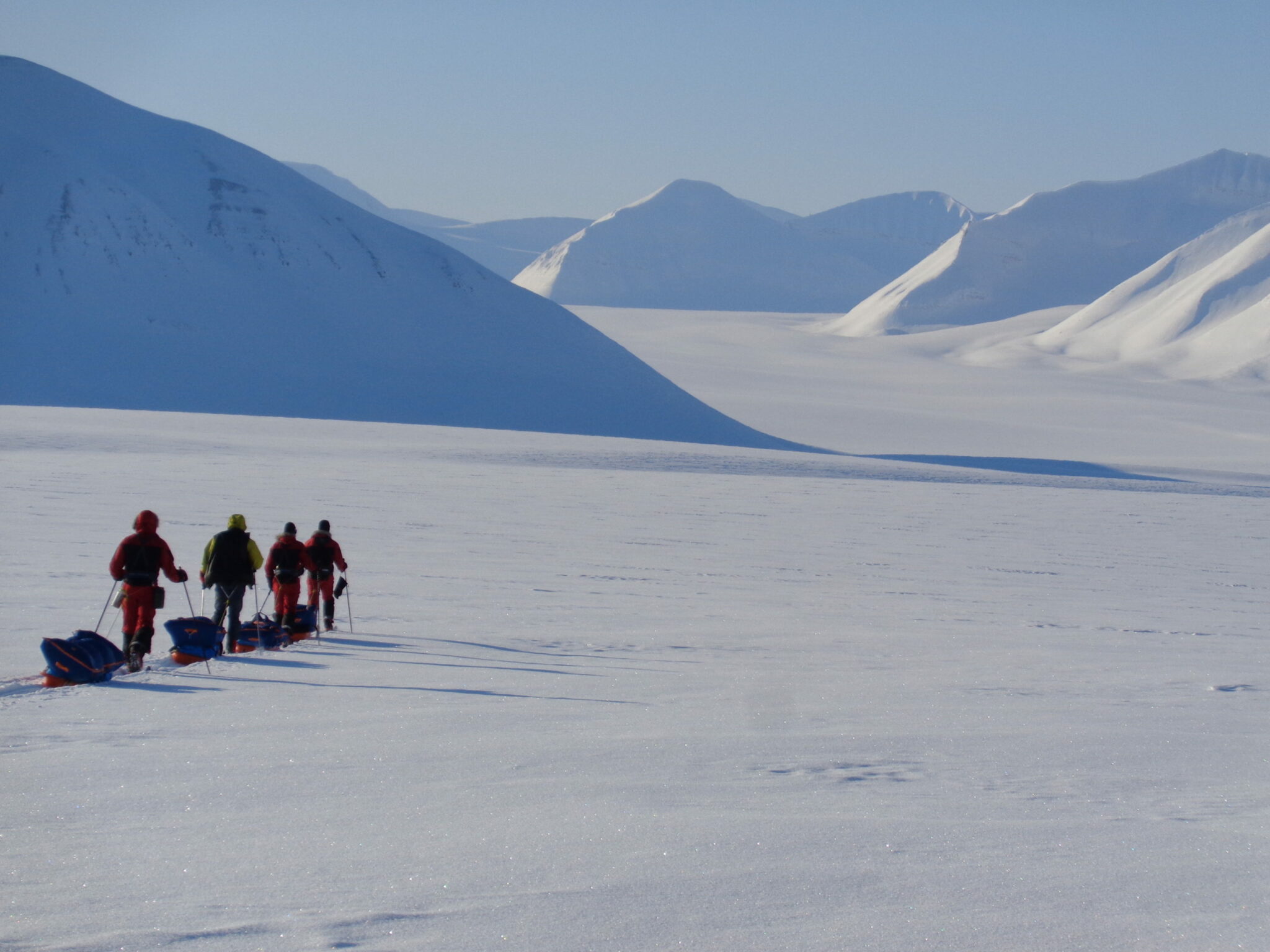
Crossing Svalbard is achieved on ski’s. We will be crossing Svalbard pulling all our equipment in bulks, setting in camps on the wild glaciers that cover the whole Island. To get the most out of our Svalbard crossing trip, we recommend physical training 4/5 times a week and some previous Nordic skiing is necessary and important.

We have a great team of highly qualified staff, ex-military and special forces to lead the way. From Oslo in Norway you can fly into Longyearbyen and over night in a local guesthouse. This will give the team a few nights to sort through gear, food and pulks prepared for the 8 day crossing of Svalbard.

We will also do a training day on the ice near Longyearbyen. Once the team is ready we will move by snowmobile to the start of the skiing route. We will cover specific Polar training skills, Polar navigation, defense against Polar bears, sea ice travel, camp craft and camping routines. The cost of this training start from $5,500
Upcoming Trips

2024
Jan
Feb
Mar
Apr
May
Jun
Jul
Aug
Sep
Oct
Nov
Dec
No trips found for Jan 2024.
No trips found for Feb 2024.
No trips found for Mar 2024.
19
Apr
19th Apr – 27th Apr
Svalbard Experience
8 SPACES OPEN
No trips found for May 2024.
No trips found for Jun 2024.
No trips found for Jul 2024.
No trips found for Aug 2024.
No trips found for Sep 2024.
No trips found for Oct 2024.
No trips found for Nov 2024.
No trips found for Dec 2024.

Itinerary

1
Day

Fly from Oslo to Longyearbyen

You should be looking to arrive in Longyearbyen in Svalbard today. There are flights direct from Oslo Gardermoen to Longyearbyen. We can help you pick the right flights into Svalbard. On arrival you will be picked up from the airport and stay at a guesthouse for two nights. Today is a training day, you can get your ski’s out and warm up the legs for the long crossing of Svalbard. You will also have the chance to go through all your gear, separate group equipment and get your sled/ pulk ready for the following days start on the ski.

2
Day

Pre Expedition Training Day

Re-pack and prepare equipment ready for the drop off on the east coast. Overnight in guesthouse.

3
Day

Repack and prepare Gear

Re-pack and prepare equipment ready for the drop off on the east coast. Overnight in guesthouse.

4
Day

Ski Expedition

Travel to the east coast by snowmobile, to start skiing back towards Longyearbyen in the west.

5
Day

Ski Expedition

We will be skiing across Svalbard. We will help you develop specific winter skills for polar and cold weather travel. We will cover a wide range of techniques used in winter snow travel, helping you become more self sufficient in Polar navigation, polar bear safety, sea ice travel, camp craft and camping routines.

6
Day

Ski Expedition

We will be crossing Svalbard. We will help you develop specific winter skills for polar and cold weather travel. We will cover a wide range of techniques used in winter snow travel, helping you become more self sufficient in Polar navigation, polar bear safety, sea ice travel, camp craft and camping routines.

7
Day

Ski Expedition

We will be Crossing Svalbard. We will help you develop specific winter skills for polar and cold weather travel. We will cover a wide range of techniques used in winter snow travel, helping you become more self sufficient in Polar navigation, polar bear safety, sea ice travel, camp craft and camping routines.

8
Day

Ski Expedition

We will be Crossing Svalbard. We will help you develop specific winter skills for polar and cold weather travel. We will cover a wide range of techniques used in winter snow travel, helping you become more self sufficient in Polar navigation, polar bear safety, sea ice travel, camp craft and camping routines.

9
Day

Ski Expedition

We will be Crossing Svalbard. We will help you develop specific winter skills for polar and cold weather travel. We will cover a wide range of techniques used in winter snow travel, helping you become more self sufficient in Polar navigation, polar bear safety, sea ice travel, camp craft and camping routines.

10
Day

Ski Expedition

We will be Crossing Svalbard. We will help you develop specific winter skills for polar and cold weather travel. We will cover a wide range of techniques used in winter snow travel, helping you become more self sufficient in Polar navigation, polar bear safety, sea ice travel, camp craft and camping routines.

11
Day

Ski Expedition

We will be Crossing Svalbard. We will help you develop specific winter skills for polar and cold weather travel. We will cover a wide range of techniques used in winter snow travel, helping you become more self sufficient in Polar navigation, polar bear safety, sea ice travel, camp craft and camping routines.

12
Day

Ski Expedition

We will be Crossing Svalbard. We will help you develop specific winter skills for polar and cold weather travel. We will cover a wide range of techniques used in winter snow travel, helping you become more self sufficient in Polar navigation, polar bear safety, sea ice travel, camp craft and camping routines.

13
Day

Arrive back in Longyearbyen

We aim to arrive back in Longyearbyen today. We will sort out all the kit, shower, relax and celebrate our success. We will overnight at the guesthouse in Longyearbyen.

14
Day

Airport Transfer

Transfer to the Airport for your International flight back to Oslo and beyond.Transfer to the Airport for your International flight back to Oslo and beyond.

Advice

1. Understand the Commitment

Svalbard is remote, exposed and logistically complicated. Once you’re out on the ice, there are no quick ways out. Weather can stop you in your tracks. Temperatures and wind chill can make things serious very quickly.

Go into this knowing what you’re signing up for. This is a self-contained expedition where you need to be resilient and take responsibility seriously.

2. Train Specifically for Hauling a Pulk

This expedition is all about pulling a sled. You’ll be towing a loaded pulk for hours each day across different types of snow.

Your training needs to include progressive leg and posterior chain work, core stability exercises, endurance sessions with weight, and if you can, actually practising pulling a sled or tyre.

Being generally fit isn’t enough here. You need to be conditioned for sustained effort under load in cold conditions.

3. Be Fully Prepared For The Cold-Weather

Working efficiently in extreme cold is a skill you need to develop. Managing your layers, sorting out glove systems, controlling moisture and nailing your camp routines all need to become automatic.

Before you leave, test every single piece of your equipment. If you can, train in cold environments and practice your transitions like stopping, starting and adjusting layers.

In the Arctic, small mistakes or inefficiencies add up fast.

4. Operate as a Cohesive Team

A successful Svalbard crossing depends on everyone working together. Expedition life means shared responsibility, sticking to routines and communicating well.

Strong teams handle camp tasks efficiently, distribute loads fairly and keep morale up when conditions get tough.

How professionally your group works together directly affects both safety and how well things go.

5. Build Mental Endurance

Polar travel is physically hard, but honestly, the mental side is what really defines the experience. The landscape is huge and doesn’t change much. Progress can feel slow. Weather delays are just part of it.

Train yourself to stay steady when you’re uncomfortable, keep your focus during long days, and adapt without getting frustrated.

Mental toughness is what often makes the difference between success and struggle in polar environments.

Training

1. Engage in Endurance Training

Polar travel is steady, controlled and relentless. You’ll be moving for hours each day at a consistent pace, so your aerobic system needs to be efficient and capable of handling that.

We recommend getting out 4 or 5 times a week for 60 to 120 minute sessions, with a focus on uphill movement or sustained resistance.

Hiking, ski touring, incline treadmill work and loaded walking all work well. What you’re aiming for is sustainable output, not short intense bursts.

2. Train Specifically for Sled Hauling

Sled hauling is what this expedition is built around. You’ll be towing a loaded pulk across different snow conditions for days on end.

Your preparation should include tyre or sled dragging if you can manage it, incline treadmill sessions with weight, long uphill hikes carrying a pack, and progressive resistance work that targets your posterior chain.

Your glutes, hamstrings, lower back and core need deliberate attention. Standard gym training isn’t really enough for this.

3. Build Strength for Repeated Effort

Strength on a Svalbard crossing is about durability—being able to do the same thing day after day without your body breaking down.

Focus on loaded step-ups, walking lunges, deadlifts, core stability and anti-rotation work, and conditioning your upper back and shoulders.

Try to fit in two or three focused strength sessions each week as part of your structured training.

4. Condition Yourself for Consecutive Days

This expedition demands consistency, and managing fatigue is crucial.

In the final 8 to 10 weeks before you leave, start doing back-to-back longer sessions. For example, 3 to 5 hours under load one day, followed by 2 to 4 hours of steady endurance the next.

This trains your body to recover properly and prepares you for the sustained effort an expedition requires.

5. Be Ready to Tolerate the Weather

Managing the cold is a skill. If you can, train outdoors in rough conditions. Learn how to regulate your effort without overheating. Test your layering systems and refine your transitions and routines.

Being efficient in the cold has a direct impact on how much energy you conserve and how safe you stay.

Why Us

We approach crossing Svalbard with the same discipline and care we bring to all our major expeditions. This is true Arctic travel—hauling sleds across glaciers in sustained sub-zero temperatures, in a remote environment where weather and conditions dictate how things go. It’s an undertaking that needs proper preparation and respect.

When you travel with us, we handle the route, daily structure and safety so you can focus on moving well and taking in the experience. We keep things steady and controlled from the first step onto the ice to the final day of the crossing.

If you’re considering Svalbard, we’d be proud to guide you through the preparation and deliver a safe, professionally led Arctic expedition.

FAQ

1. How challenging is the Svalbard crossing?

Crossing Svalbard is a serious Arctic expedition. You’ll be hauling a sled for hours each day across glaciated terrain in consistent sub-zero temperatures. It requires strong physical conditioning, resilience and the ability to work well within a disciplined team. This isn’t a casual trek—it’s a committed polar expedition.

2. Do I need prior polar experience?

Previous polar experience helps, but it’s not essential. What matters most is your fitness level, your commitment to proper preparation and your willingness to follow guidance. We provide detailed training direction, equipment advice and expedition briefings so you arrive fully prepared for Arctic travel.

3. How cold will it be?

Expect sustained sub-zero temperatures, with wind chill making it feel significantly colder. Managing your layers, protecting your extremities and staying efficient in camp are all critical skills. The environment is consistently cold—it’s your preparation and discipline that keep it manageable.

4. What is the primary physical demand?

The main challenge is hauling a loaded pulk across snow and glacier for consecutive days. This requires a well-developed aerobic base, strength through your glutes, hamstrings and lower back, core stability under load, and the ability to recover and do it all again the next day.

Endurance under load is really the foundation of success on this expedition.

5. How is safety managed?

Safety is at the center of every decision we make. Our expeditions are led by experienced leaders with structured protocols and solid communication systems. That said, Svalbard is remote Arctic terrain. Risk can’t be removed entirely – it’s managed through preparation, sound judgment and disciplined team procedures.

6. How long does the crossing take?

Duration depends on the route, snow conditions and weather. Arctic travel requires flexibility, and we build contingency time into our planning. Progress is dictated by conditions, not fixed schedules.

7. What mindset is required?

Polar expeditions demand mental steadiness. You need to be ready for long days of consistent effort, repetitive terrain and weather delays. Patience, composure and a professional attitude within the team are essential.

Reviews

Price
From
$5,500
/ person
Information

Country:

Norway

Duration:

14 Days

Difficulty:

Medium

Group Size:

12

Ready to go?

Does this information excite you to take the next step towards achieving your goals of crossing Svalbard. If so, get in touch today.


Similar Treks