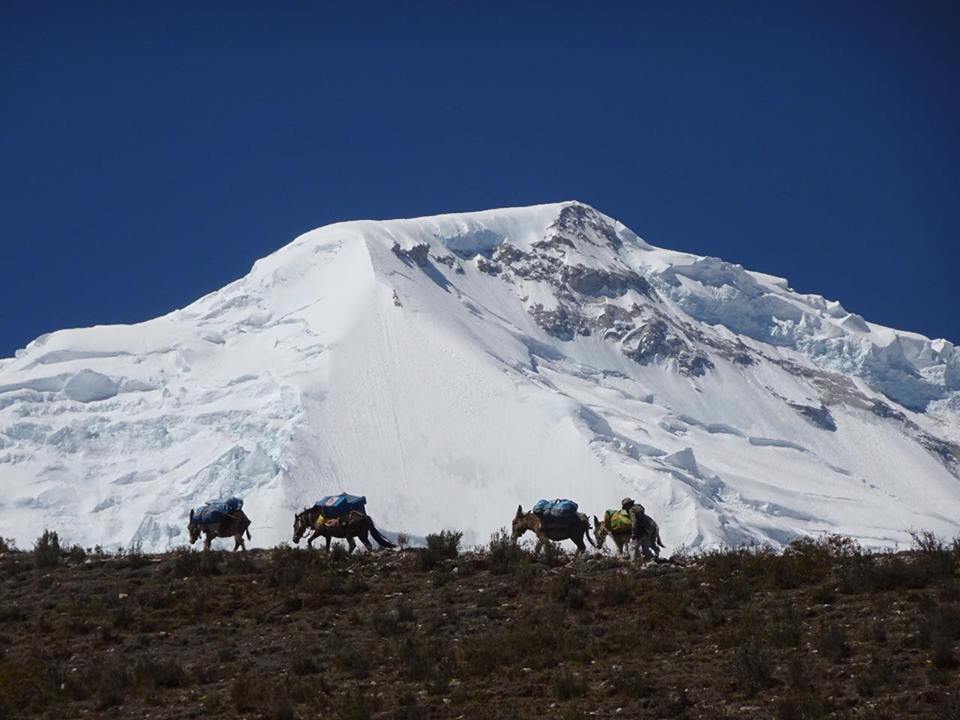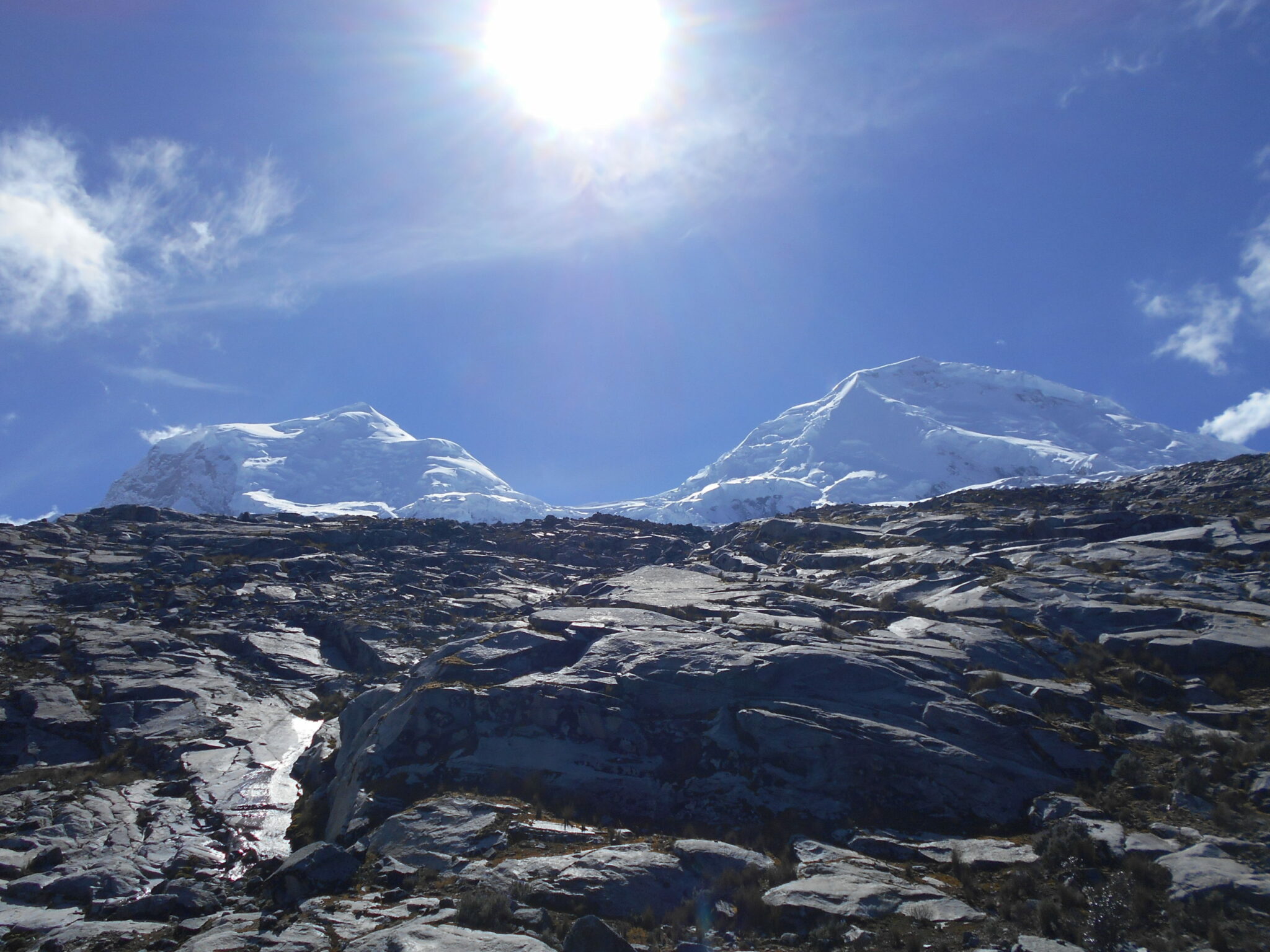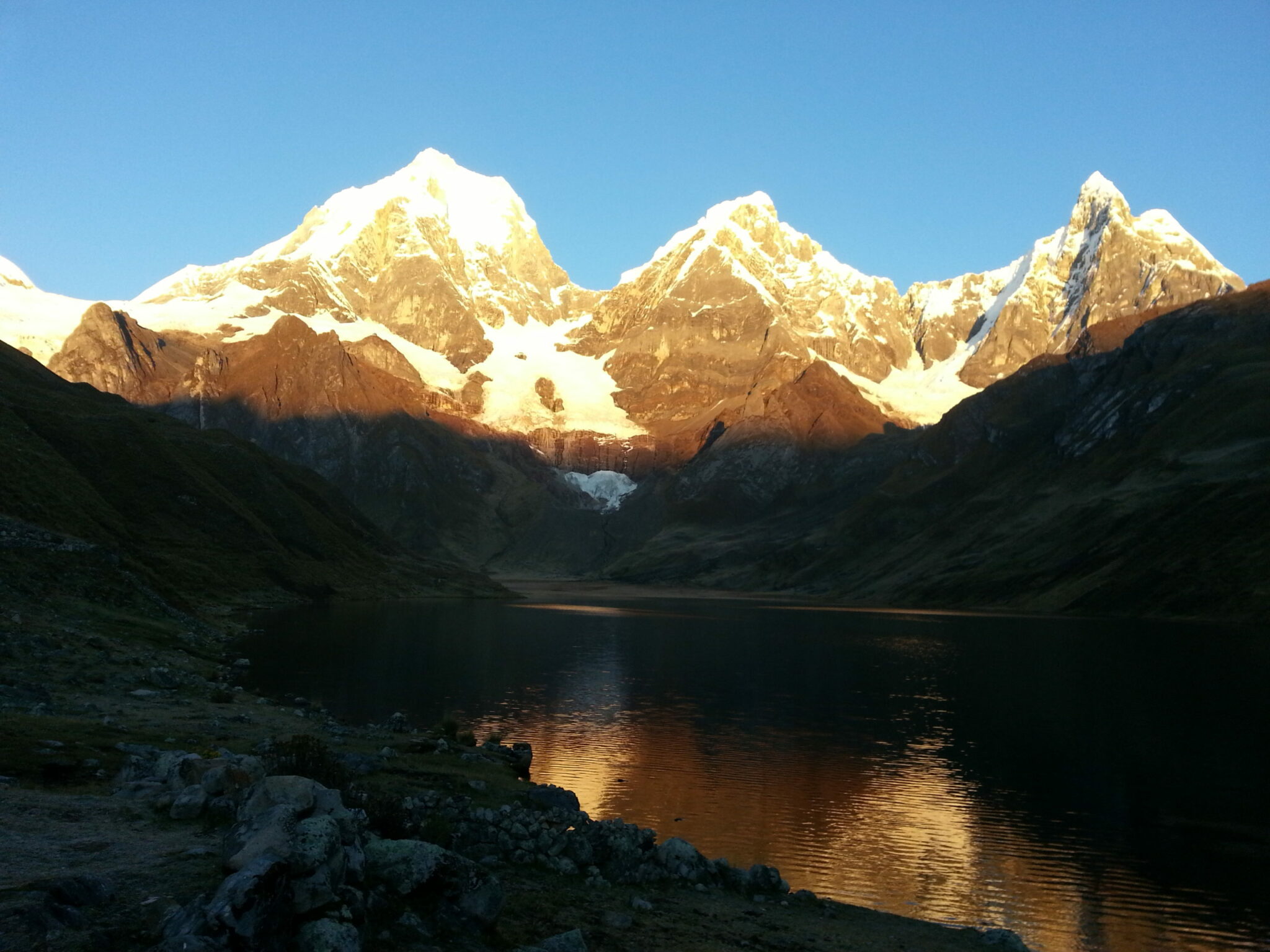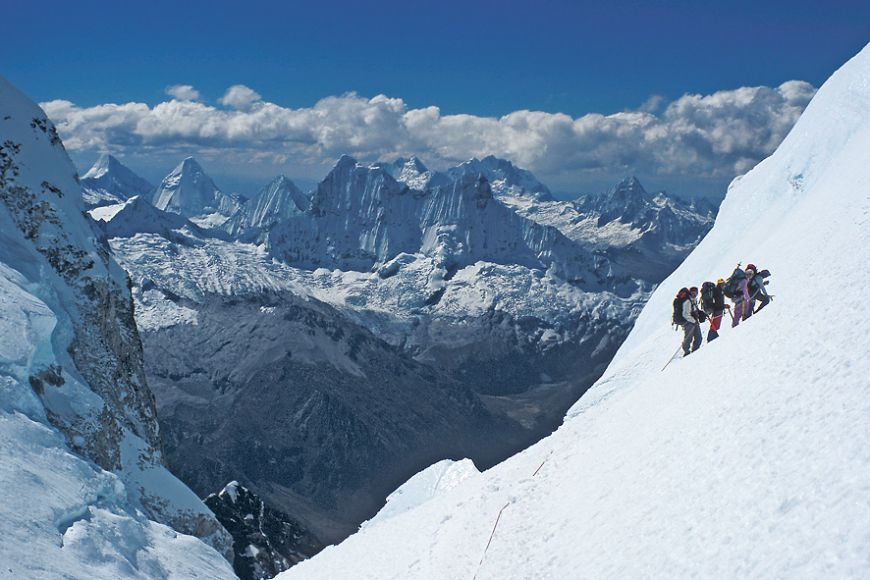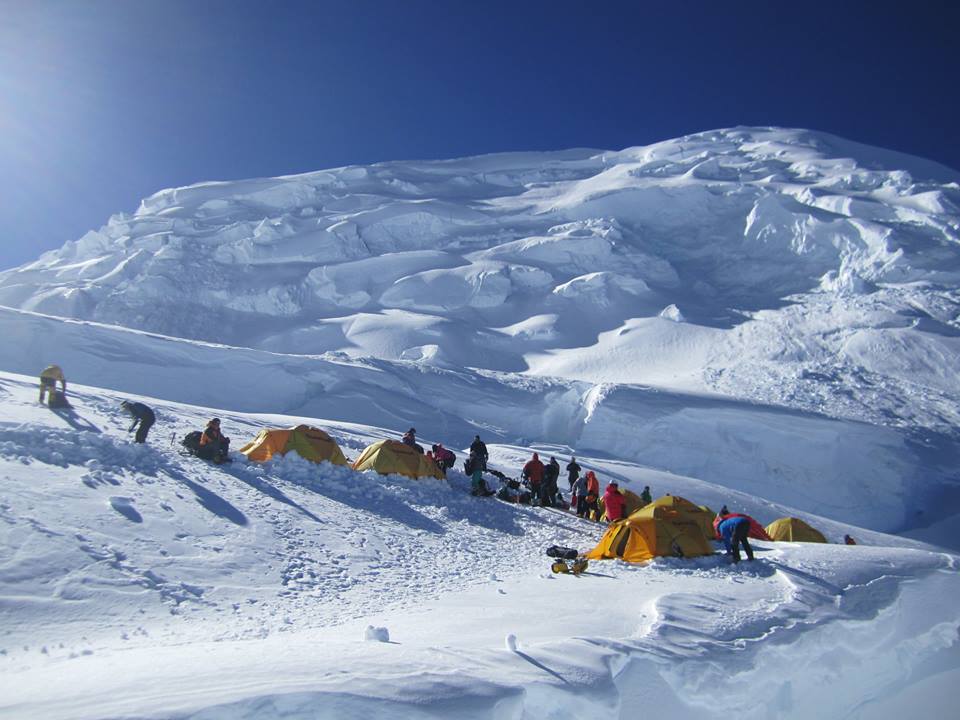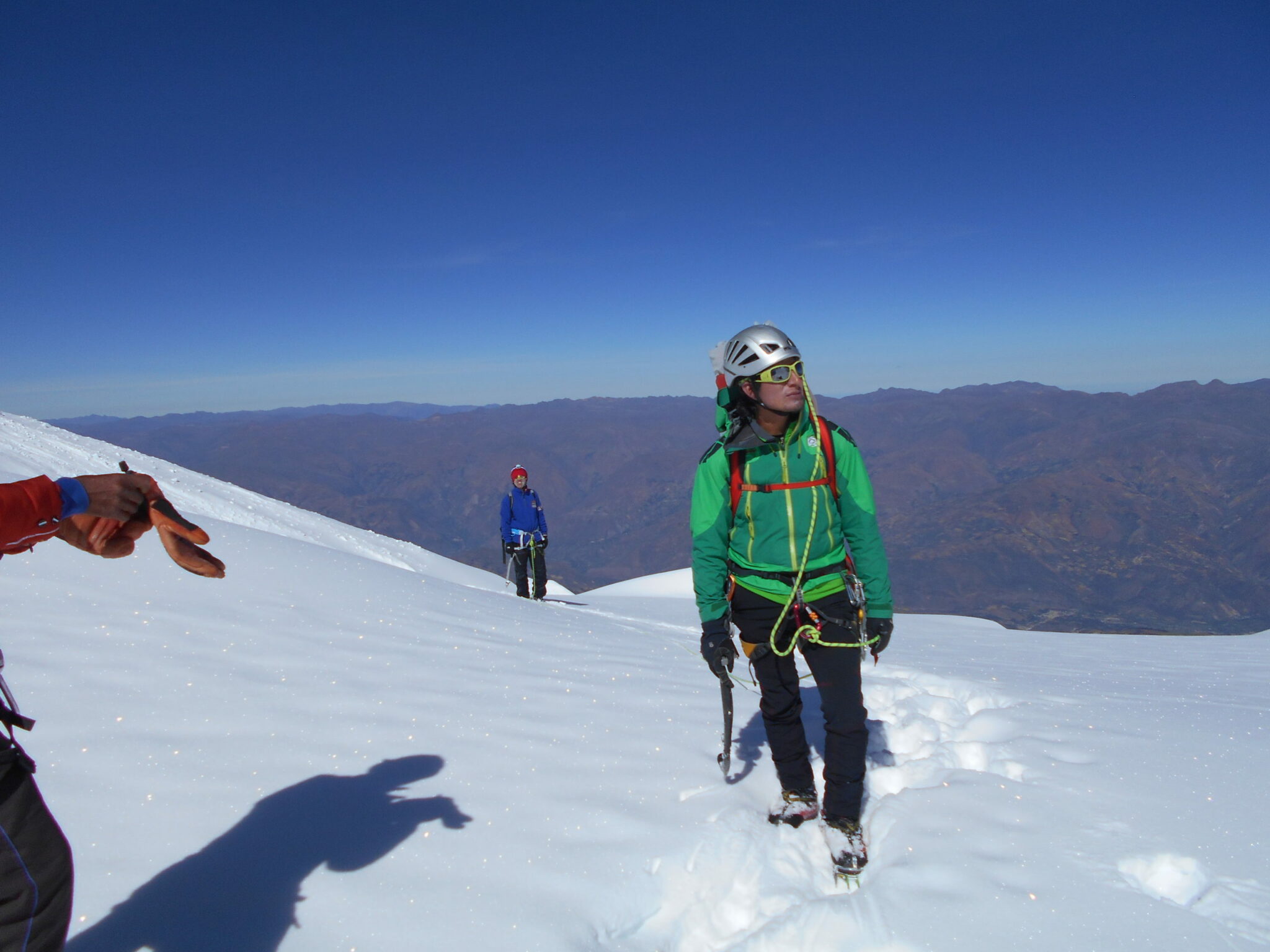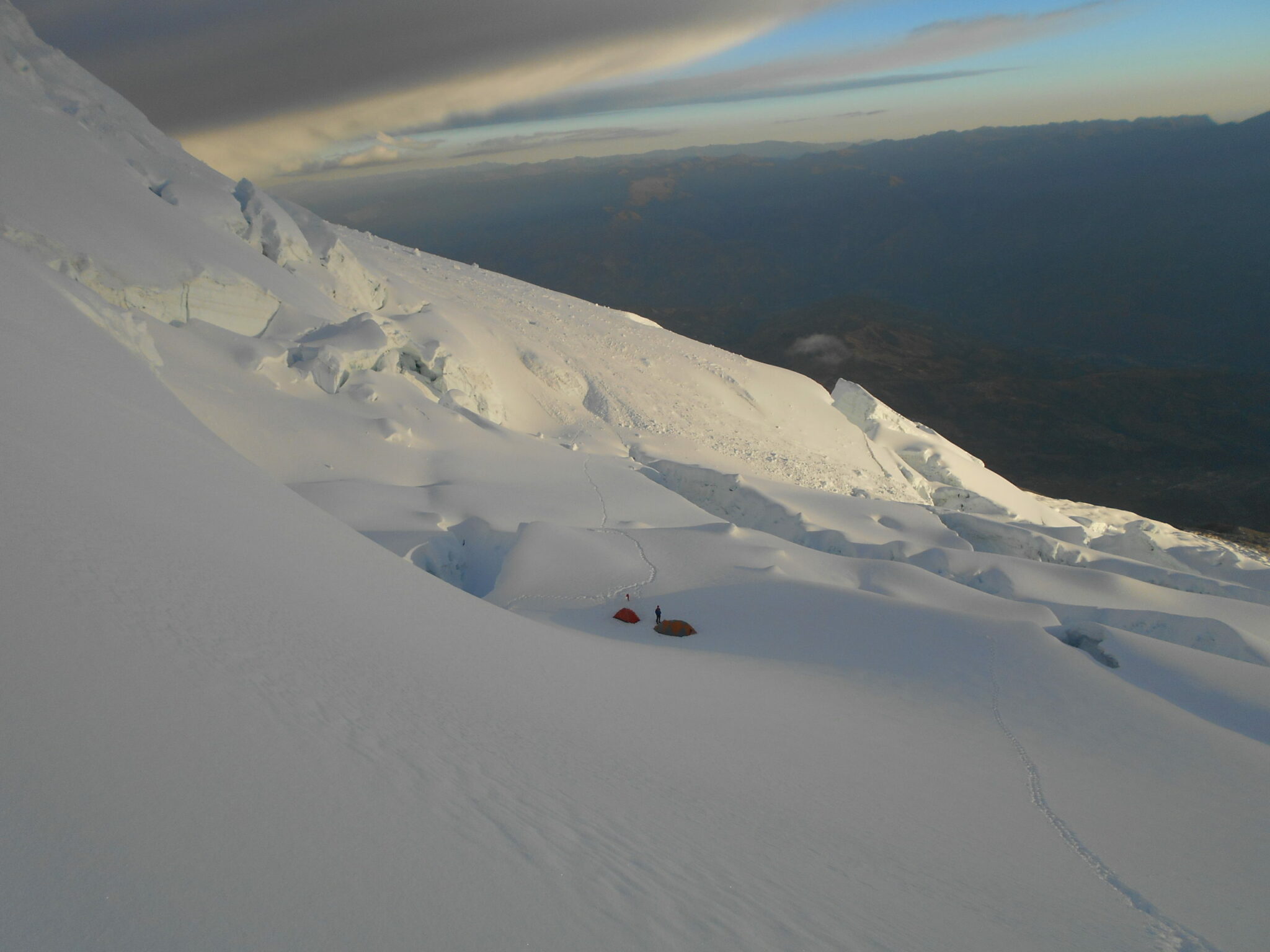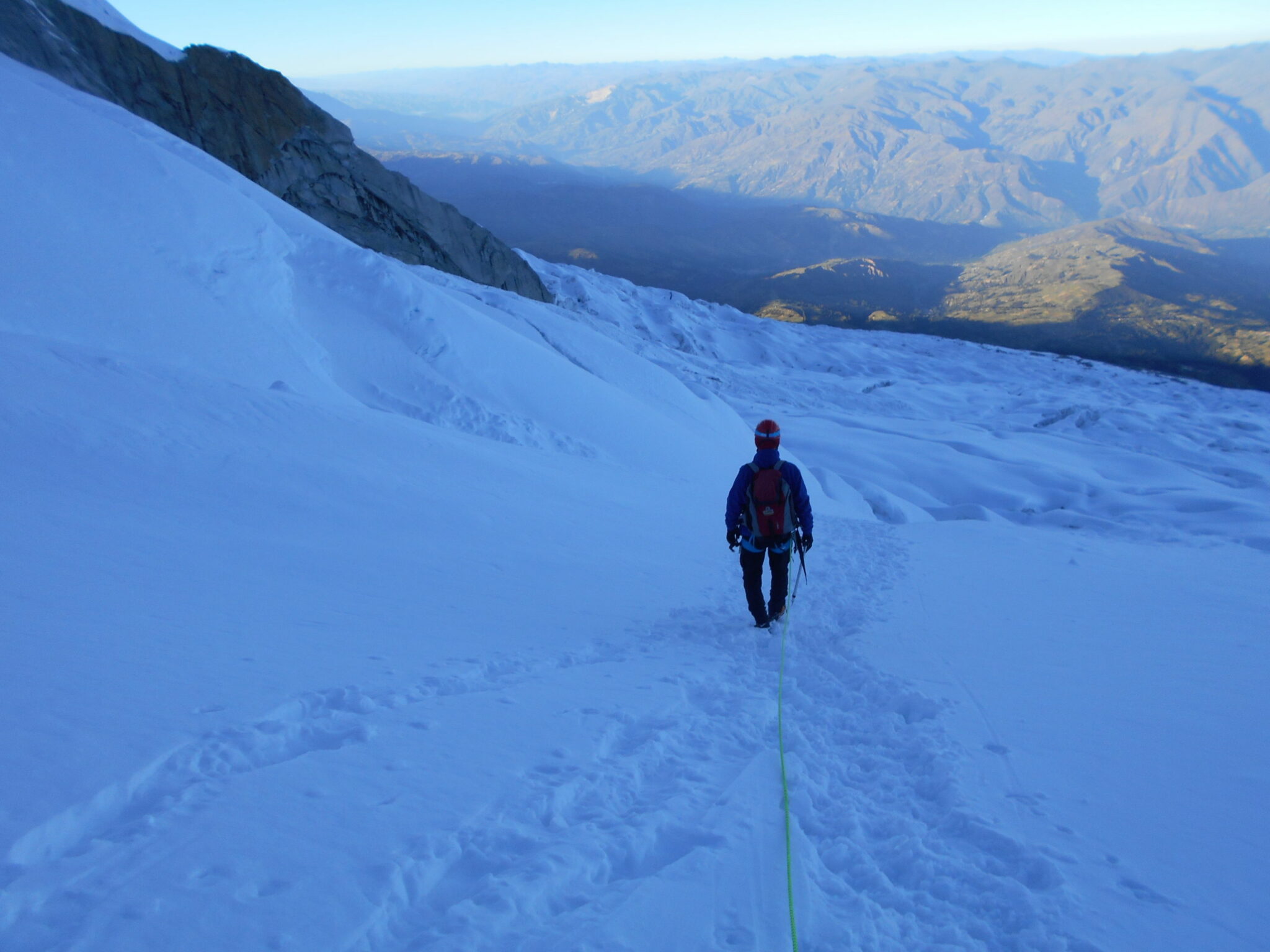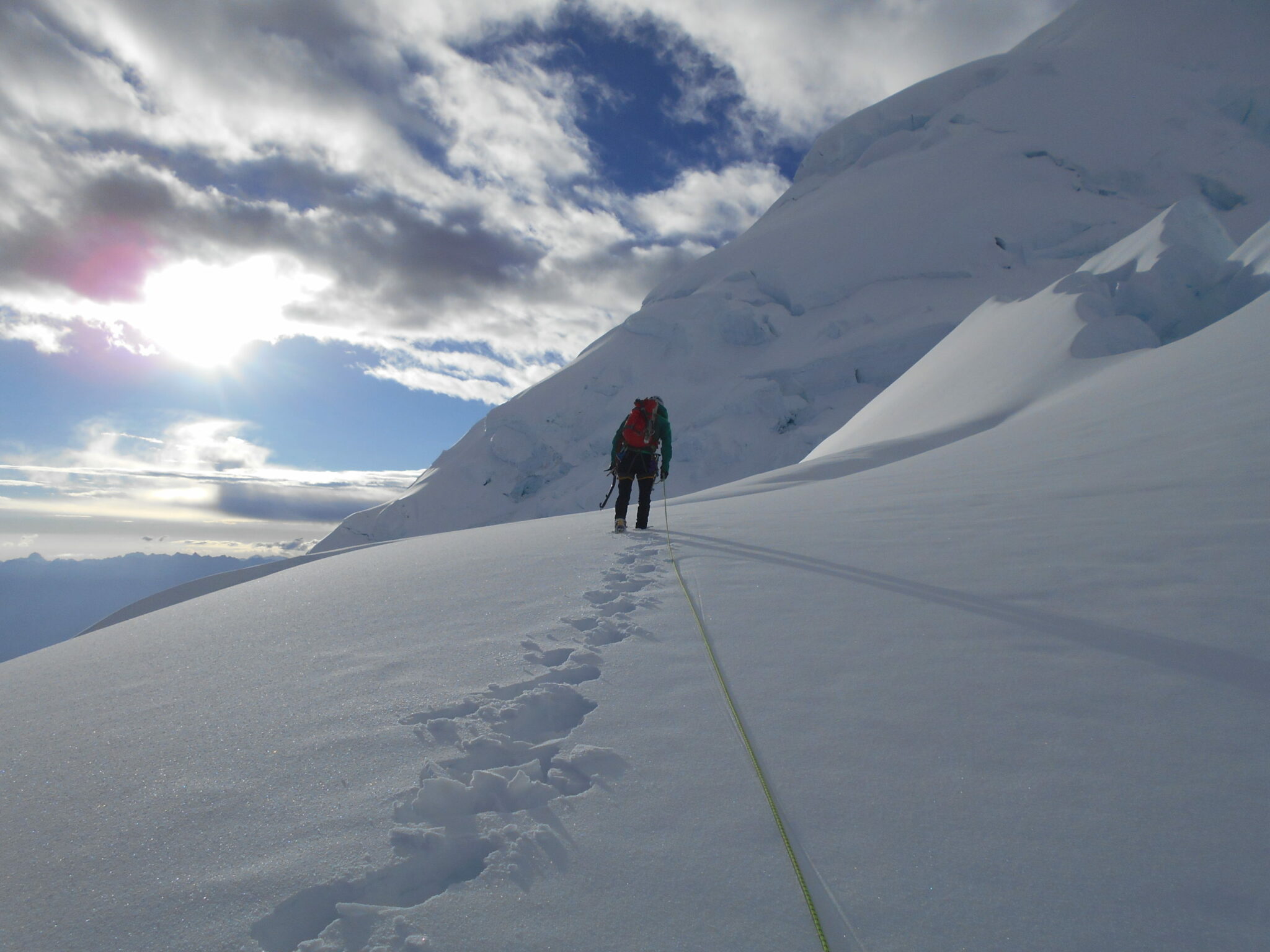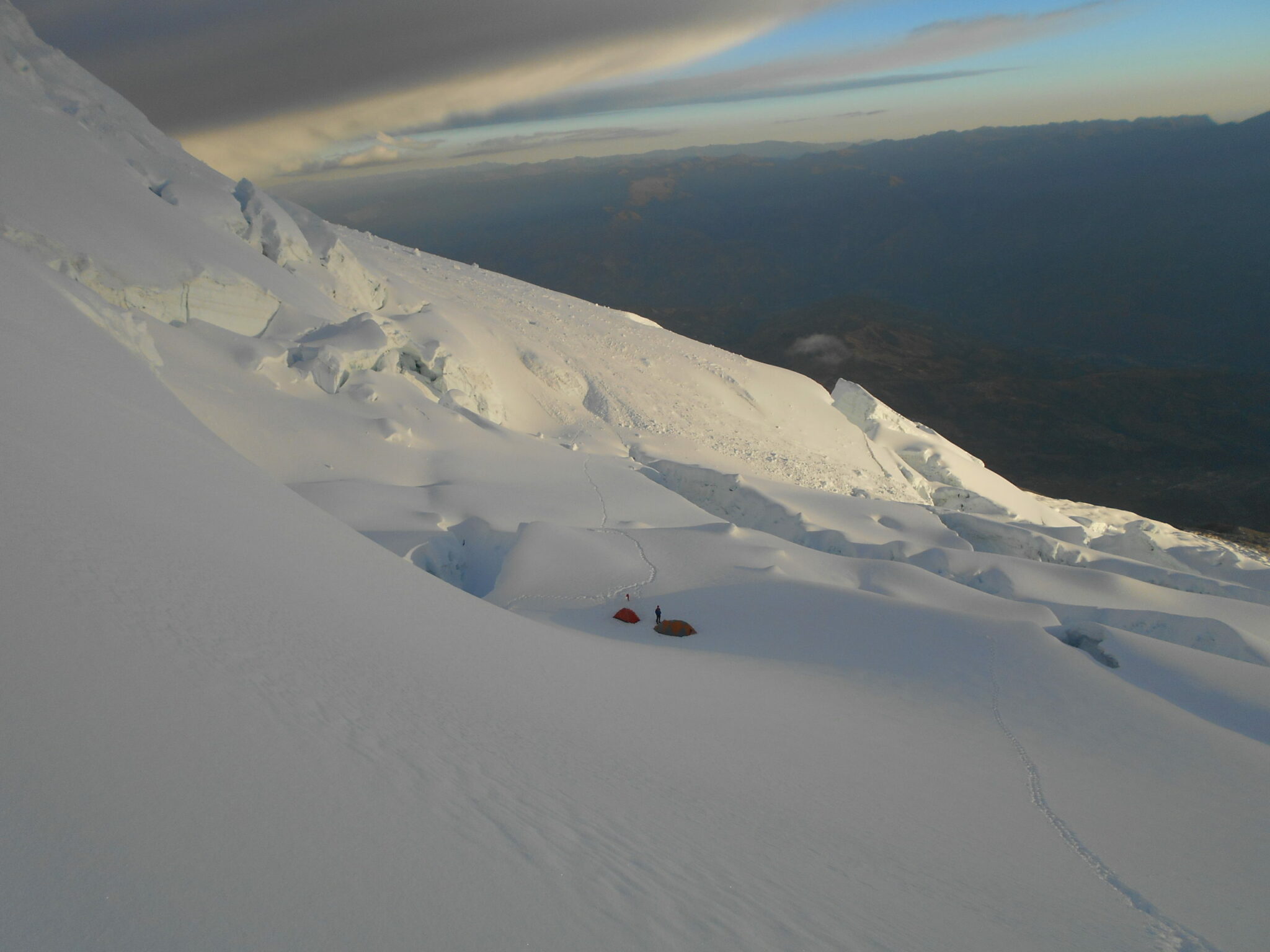
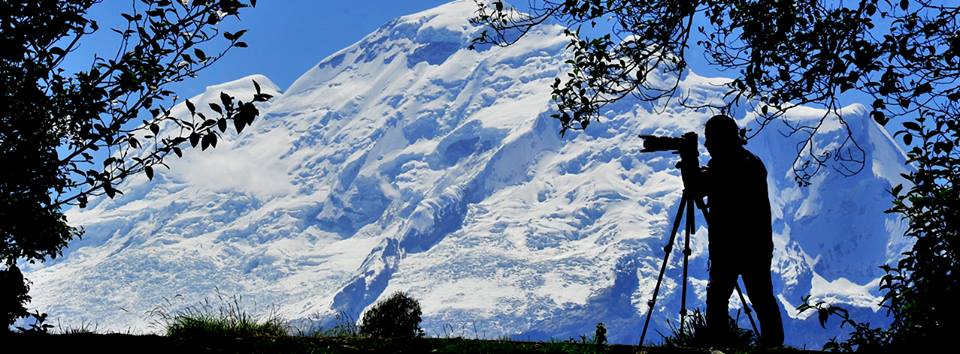
Climbing Huascaran in Peru, is a mountaineering dream.
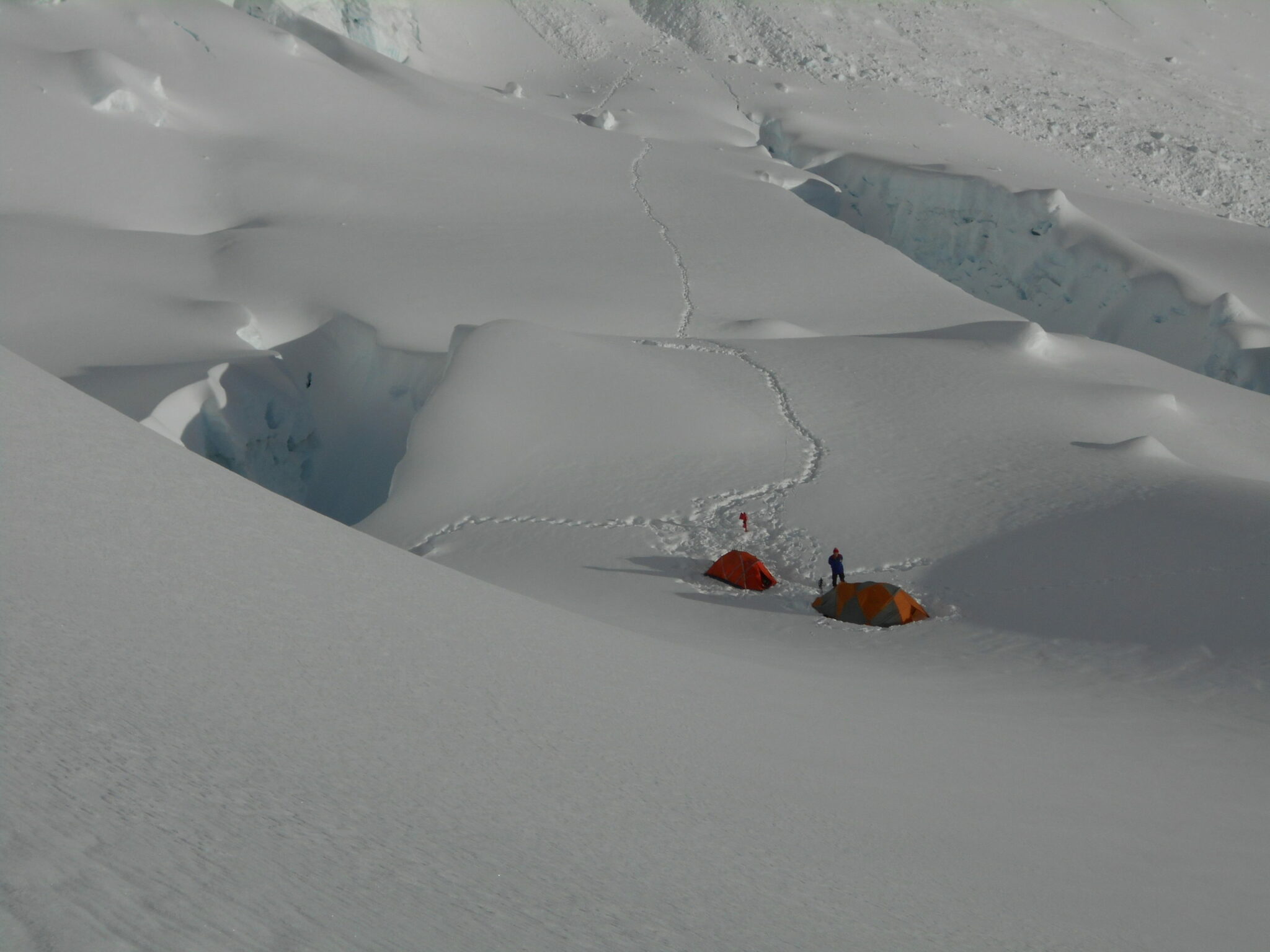
Huascaran is the highest mountain in Peru. Huascaran stands at 6,768m/ 22,205 feet tall. A giant of the Andes mountains. The ascent normally takes 21 days. The main difficulties being the large crevasses that often block the route to the summit. Before climbing Huascaran in Peru we require that you have been above 5,500m/ 18,044 feet. We also require previous mountaineering, for example Cotopaxi and Chimborazo.
Our itinerary includes Mount Pisco, Yanapaccha, Vallunaraju and Ishinca prior to heading high on Huascaran. We include continuous training support and advice along with our dossier on the climb.
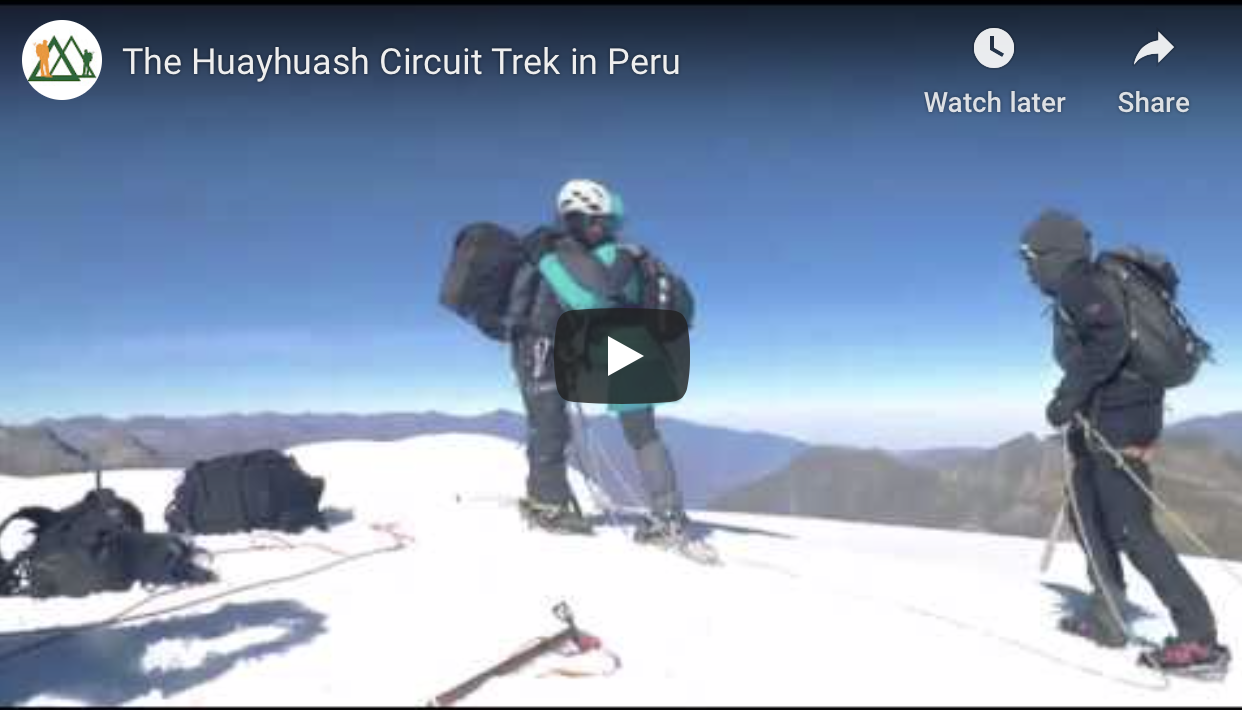
We have a great professional climbing team based in Huaraz, Peru. We have lead numerous group climbs in Huascaran. Ian has climbed Everest to the top and led 20+ trips to Peru. This region of Peru is similar to the Himalaya’s. Giant jagged peaks, in unique and untouched settings. If you are looking to go higher climbing Huascaran in Peru should be on your bucket list of mountains to climb. Huascaran is accessible to you if you have completed our Kilimanjaro, Elbrus, Cotopaxi, Chimborazo or Mera peak trips. You should also consider doing one of our Scottish or Colorado winter skills courses.
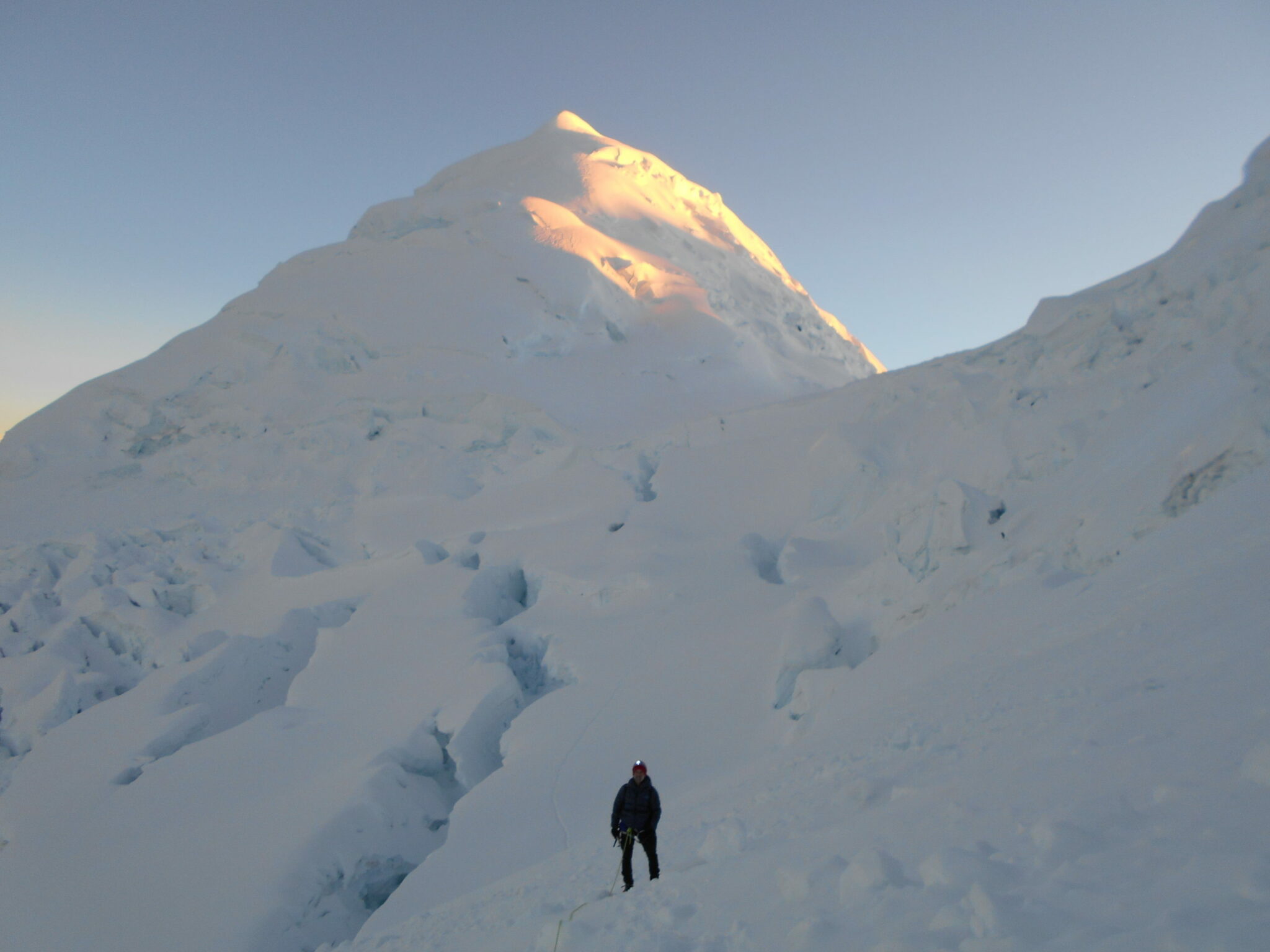
Mount Huascaran is the fourth highest mountain in the Western Hemisphere, Huascaran has it’s own national park. This region of Peru attracts lots of people to trek and climb in this magnificent mountain region. Huascarán is normally climbed on the western side via a high camp in the col that separates the summits, known as La Garganta. After following our acclimatization schedule to climb Mount Pisco we will move towards Huascaran. The main challenges Climbing Huascaran in Peru will be the extreme altitude and large crevasses that often block the route to the summit. This trip starts from $5,650.
Fly to Lima Peru. You can be picked up from the airport and drive to Huaraz at 3,052m/ 10,013 feet. We will do private transfer for groups arriving in Lima.
Today will be an acclimatization day near Huaraz and we will aim to get up to 3,500m/ 11,500 feet and then back to Huaraz where you can pick up some last minute items for the journey ahead.
Acclimatization day
Huaraz – drive to Cashapampa and trek to Llamacorral (3760m/12332ft)
Llamacorral – trek to Taullipampa (4250m/13940ft)
Taullipampa – rest day or visit Arhuaycocha Lake, view of the Alpamayo
Taullipampa – trek to Punta Union (4750m/15580ft) – Cachinapampa
Cachinapampa – driver to Portachuelo pass (4770m/15645ft) – Yuraccorral
Trekking from Yuraccorral to Base Camp – Moraine Camp Pisco (4850m/15908ft)
Climbing Nevado Pisco 5750m and back to Base Camp (4500m/14760ft)
Back to Huaraz, Overnight in the Hotel
Huaraz – rest day and preparation for Huascaran
Huaraz – Drive to Musho – hike to Huascaran Base Camp
Base Camp – Moraine Camp – climb up to the Camp 1 (5300m/17384ft)
Camp 1 – climb up to the Camp 2 (6000m/19680ft)
Rest Day – In Case the weather is bad
Camp 2 – Climb up Huascaran to the summit (6768m/22199ft) – Camp 2
Camp 2 – Climb down to the Base Camp
Base Camp – Musho – return to Huaraz
Huaraz – Celebration with the group and get some sleep.
Early flight to Lima and flight back home
1. Build real mountain fitness
Huascarán is sustained and physically demanding, and your training should reflect that. Focus on long endurance sessions, leg and core strength, and carrying a loaded pack uphill for extended periods. Back-to-back training days are particularly useful for preparing your body for consecutive days on the mountain.
2. Arrive properly acclimatized
Spending time at altitude before the expedition makes a real difference to both your safety and your performance. We’d strongly recommend climbing a peak above 5,000m beforehand, or arriving in Huaraz early to begin gradual acclimatization in the Cordillera Blanca before the expedition starts.
3. Get your technical skills in good shape
This is a glaciated peak at 6,768m, so you need to be confident with crampons and ice axe, comfortable on steep snow and familiar with moving on a rope. Efficient movement on fixed lines and good crevasse awareness will save you energy and keep you safer on the mountain.
4. Respect the weather
The June to August season offers the most stable conditions, but alpine weather can shift quickly. Be prepared for early starts, cold temperatures and the possibility of waiting out a weather window before a summit push. Patience and flexibility are part of climbing at this level.
5. Get your gear right
Layering is important and summit day temperatures can drop well below freezing, particularly in the hours before sunrise. Good quality boots suited to 6,000m peaks, warm down layers and reliable glacier travel equipment are all worth investing in. At this altitude, your gear genuinely matters.
6. Pace yourself on summit day
Summit day is long and the key is controlled, steady movement from the very first step. Fuel consistently, hydrate regularly and trust the acclimatization process you’ve built up. Slow and strong will always serve you better than going out too hard at 6,768m.
1. Start with endurance training
Your foundation should be aerobic fitness. Four to five sessions a week of hiking, uphill treadmill work, stair climbing or long trail runs will build the base you need. Focus on sustained efforts of sixty to ninety minutes at a steady pace, and as you progress, start adding a weighted pack to better simulate conditions on the mountain.
2. Train for vertical gain
Climbing efficiency matters a lot on Huascarán. If you have hills or mountains nearby, use them. If not, incline treadmill walking with a pack is genuinely effective. Build up your elevation gain and pack weight gradually over time rather than jumping in too hard too soon.
3. Build leg and core strength
Strong legs reduce fatigue and improve your stability on steep snow and glacier terrain. Squats, lunges, step-ups, deadlifts and single leg work twice a week will make a real difference. Core training is worth including too, particularly for balance when you’re moving in crampons on a rope.
4. Train on consecutive days
Mountaineering involves repeated effort day after day, so it helps to train that way. A long hike one day followed by another sustained effort the next is a good way to prepare your body for the demands of acclimatisation rotations and summit day.
5. Work on your technical efficiency
You should be comfortable with crampons and ice axe before you arrive. Practise moving steadily on snow slopes and if you can get on a glacier skills course beforehand, it’s well worth doing. Efficient movement conserves energy, and energy is everything above 6,000m.
6. Start early and build gradually
Ideally give yourself four to six months of preparation before the expedition. Increase your training volume progressively and build steadily to stay injury free. Consistency will serve you much better than occasional bursts of intensity, and arriving on day one feeling strong and well prepared makes the whole experience better.
Safety and acclimatization sit at the heart of everything we do on Huascarán. At 6,768m, it’s Peru’s highest peak and it asks a lot of you, which is why we build in proper time for your body to adjust and follow a measured ascent plan throughout. In our experience, that approach makes a real difference, both to your safety and to how much you actually enjoy the climb.
Our lead guides are internationally certified, wilderness first responder trained and have spent years working in the Cordillera Blanca. They know this mountain well, its terrain, its conditions and how to read both.
The itinerary we’ve developed over years of expeditions is designed to give you the best possible chance of reaching the summit, with smart pacing and a clear strategy from the first day to the last.
What’s the best month to climb Huascarán?
We’d recommend June, July or August. These months fall within the dry season in the Cordillera Blanca and generally offer the most stable weather and reliable climbing conditions.
How long is the drive from Lima to Huaraz?
It usually takes around seven to eight hours, though it can vary depending on traffic and road conditions.
How difficult is the climb?
Huascarán is a serious high-altitude expedition. At 6,768m, it requires good physical fitness, solid endurance and previous mountaineering experience. You’ll be moving on glaciers, using fixed lines and navigating steep snow slopes, so it’s not something to go into lightly.
Do I need previous mountaineering experience?
Yes. This isn’t a mountain for beginners. You should be comfortable using crampons and an ice axe, confident on glacier terrain and ideally have experience on peaks above 5,000m before attempting Huascarán.
How do you handle acclimatization?
We follow a carefully structured plan that includes rotation climbs and gradual altitude gain. It’s a conservative approach, but in our experience it’s the one that keeps people safe and gives them the best chance of reaching the summit.
What is the summit success rate?
It varies depending on the weather and how the team is moving, but our itinerary, acclimatisation strategy and experienced guides are all designed to give you the strongest possible chance of getting there safely.
Country:
South America
Duration:
21 Days
Distance:
40 km
Max. Altitude:
6,768 m / 22,205 ft
Difficulty:
Medium
Group Size:
12

Does this information excite you to take the next step towards achieving your goals of Climbing Huascaran in Peru. If so, get in touch today.