Home Norway Nordic Ski Training in Norway
Overview

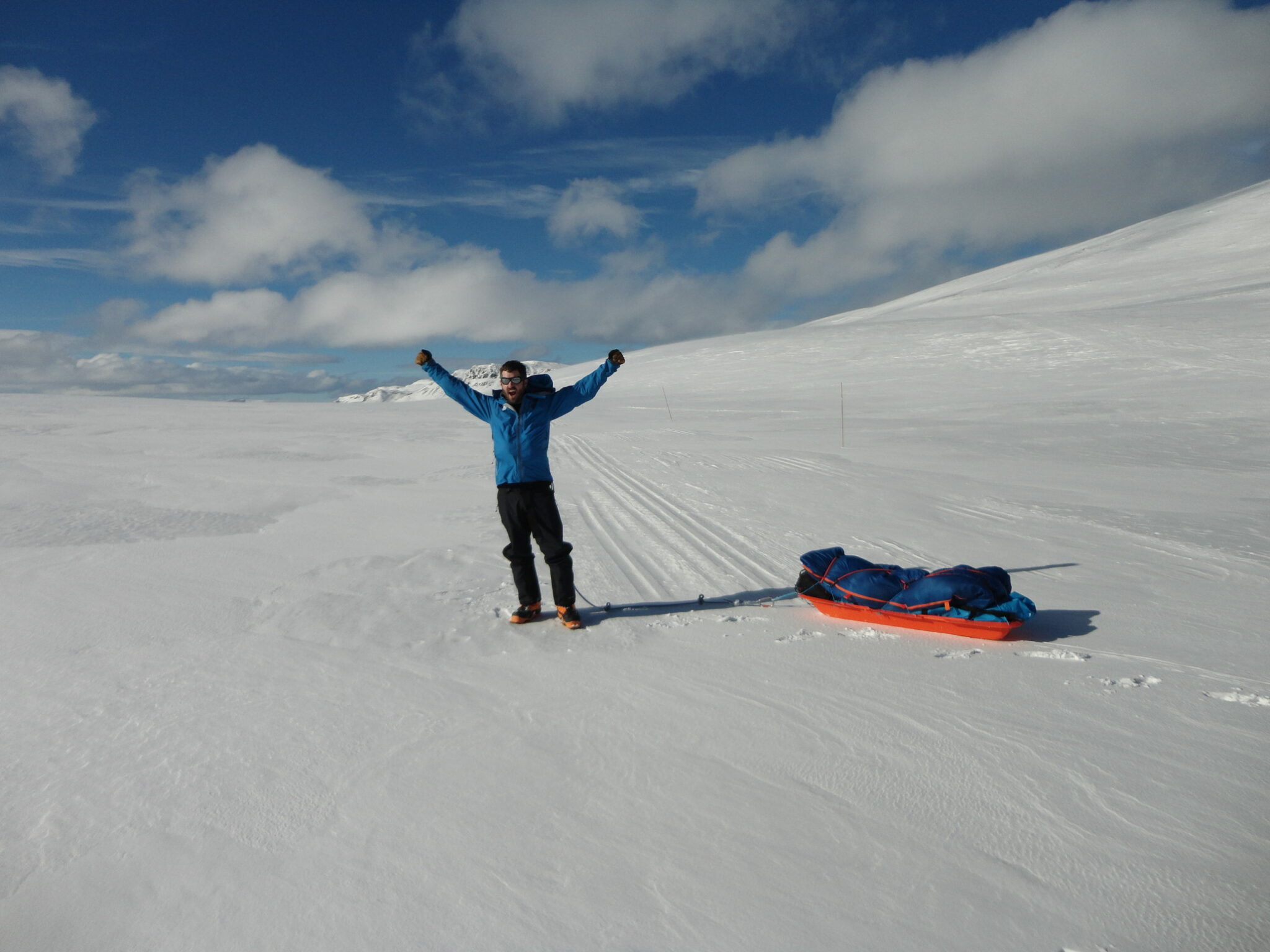
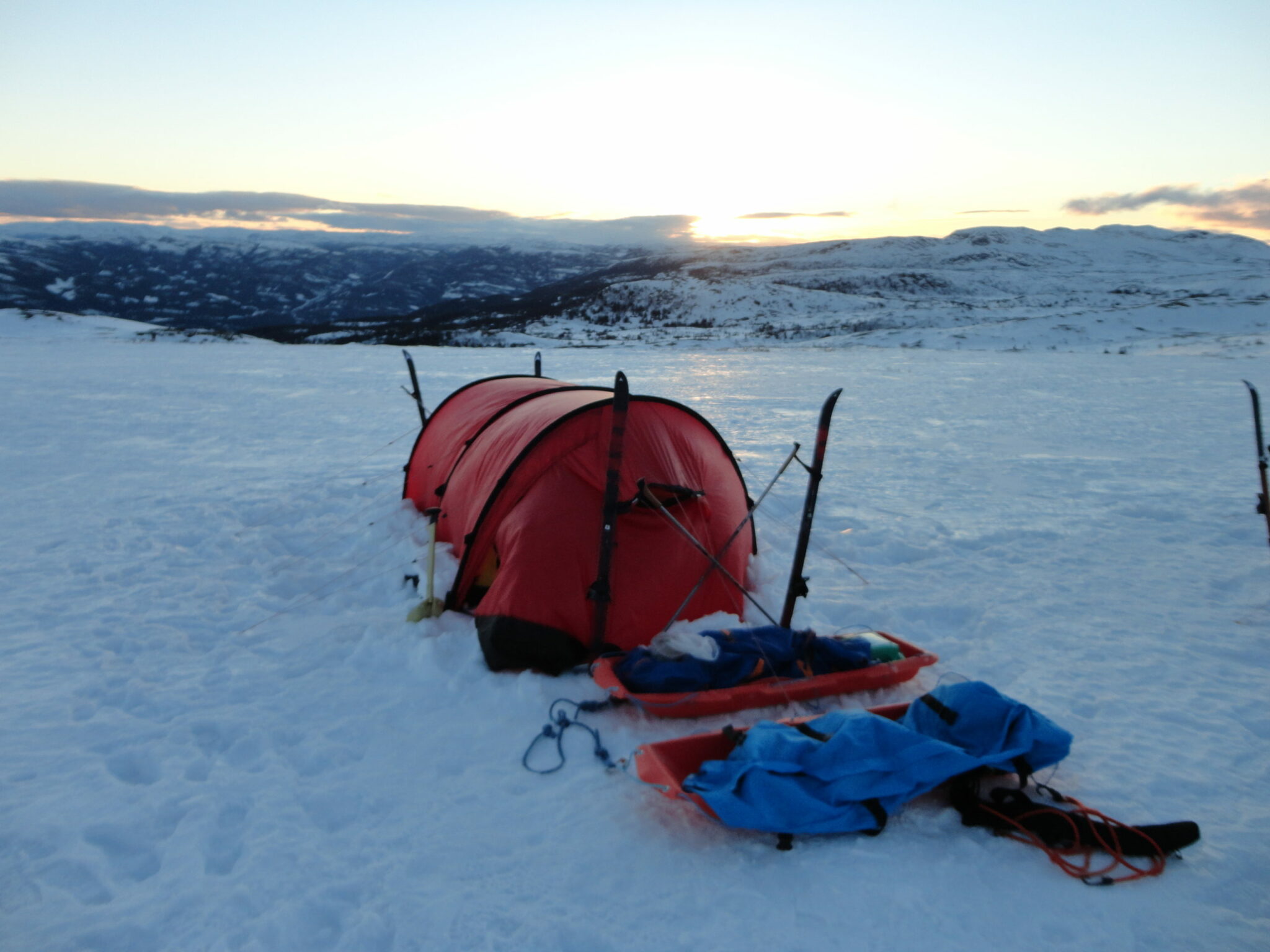
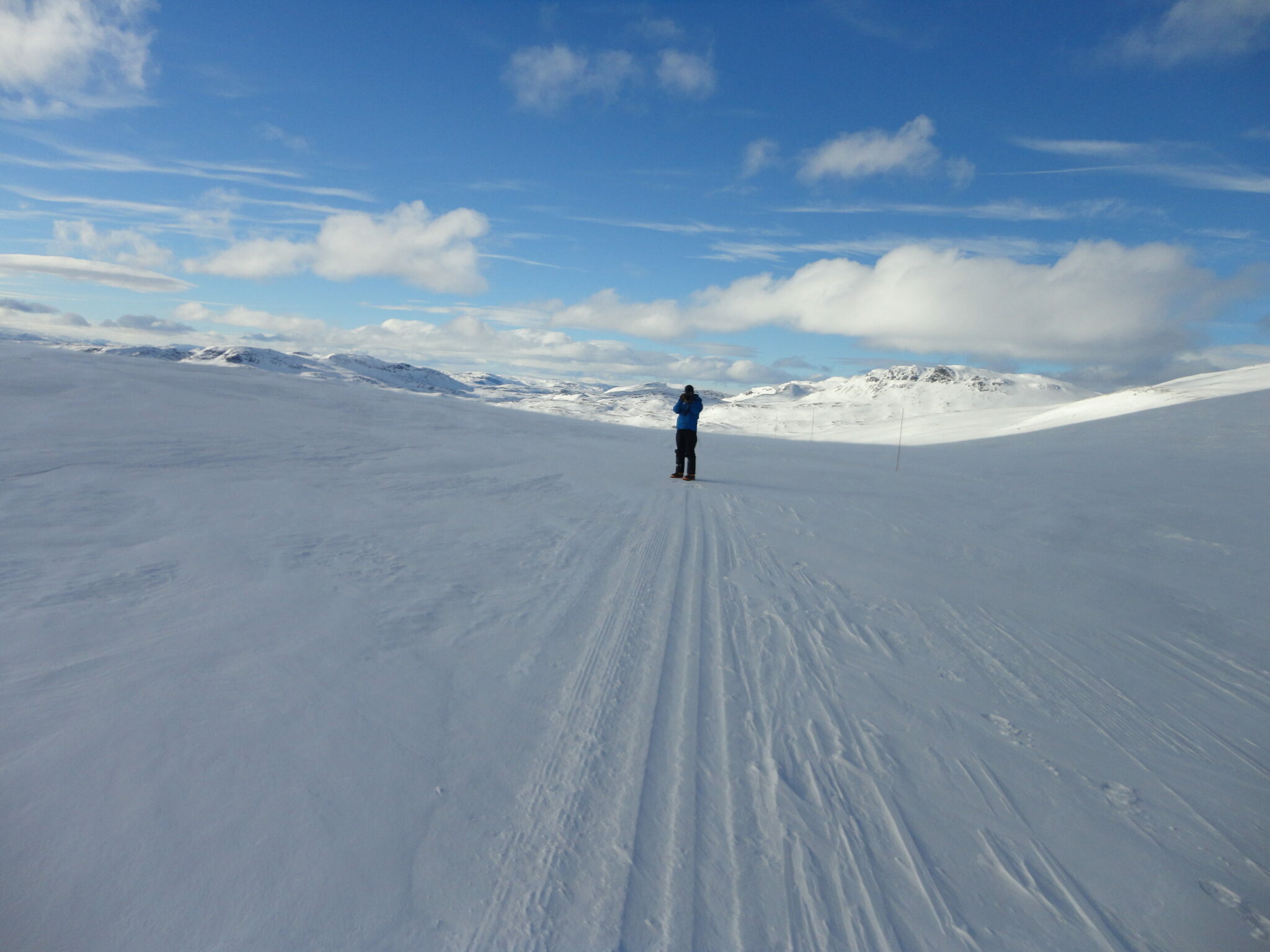
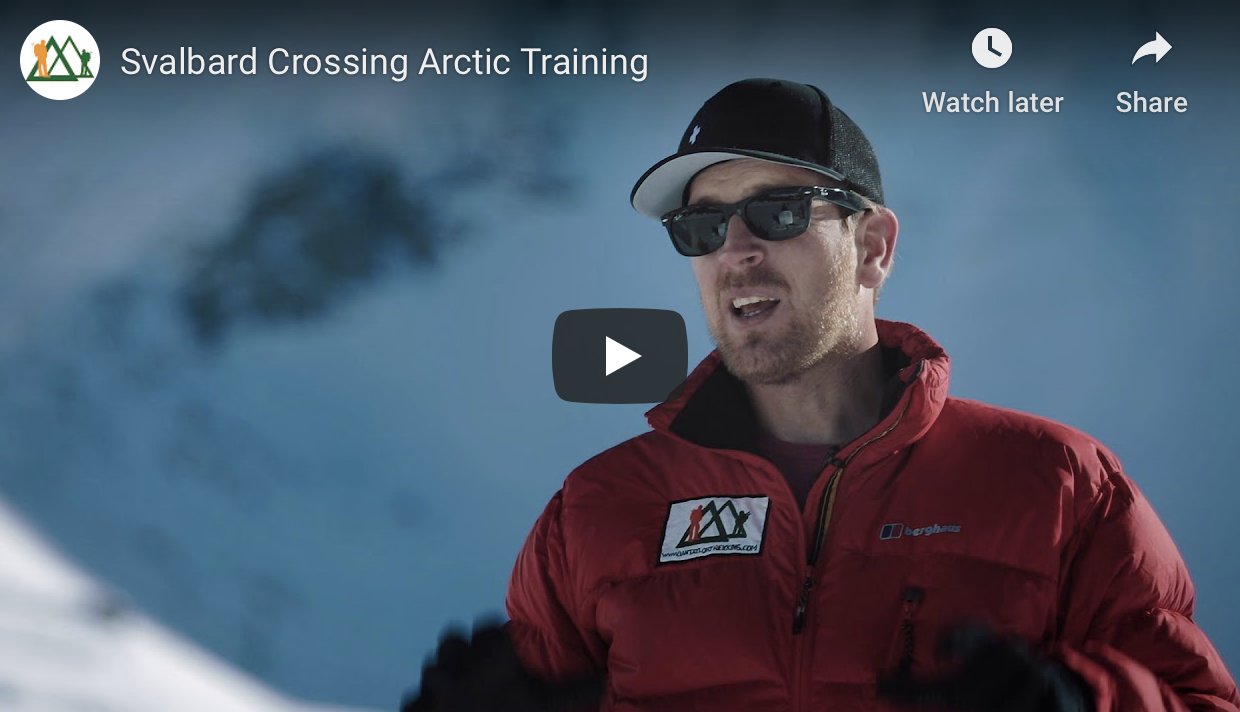
Nordic ski training in Norway is a chance to learn how to Nordic ski and learn how to survive in the wild and raw winter mountain conditions.

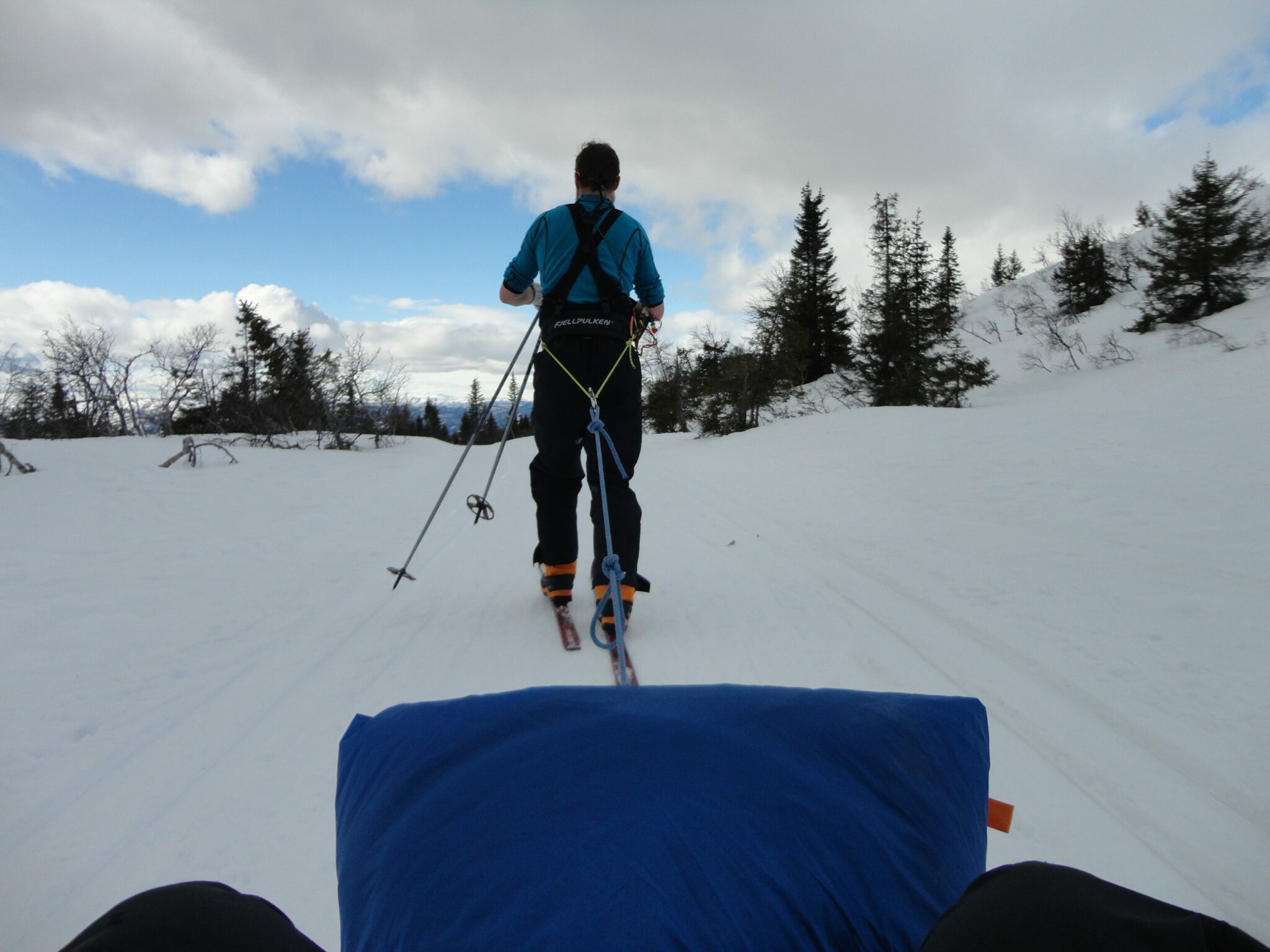
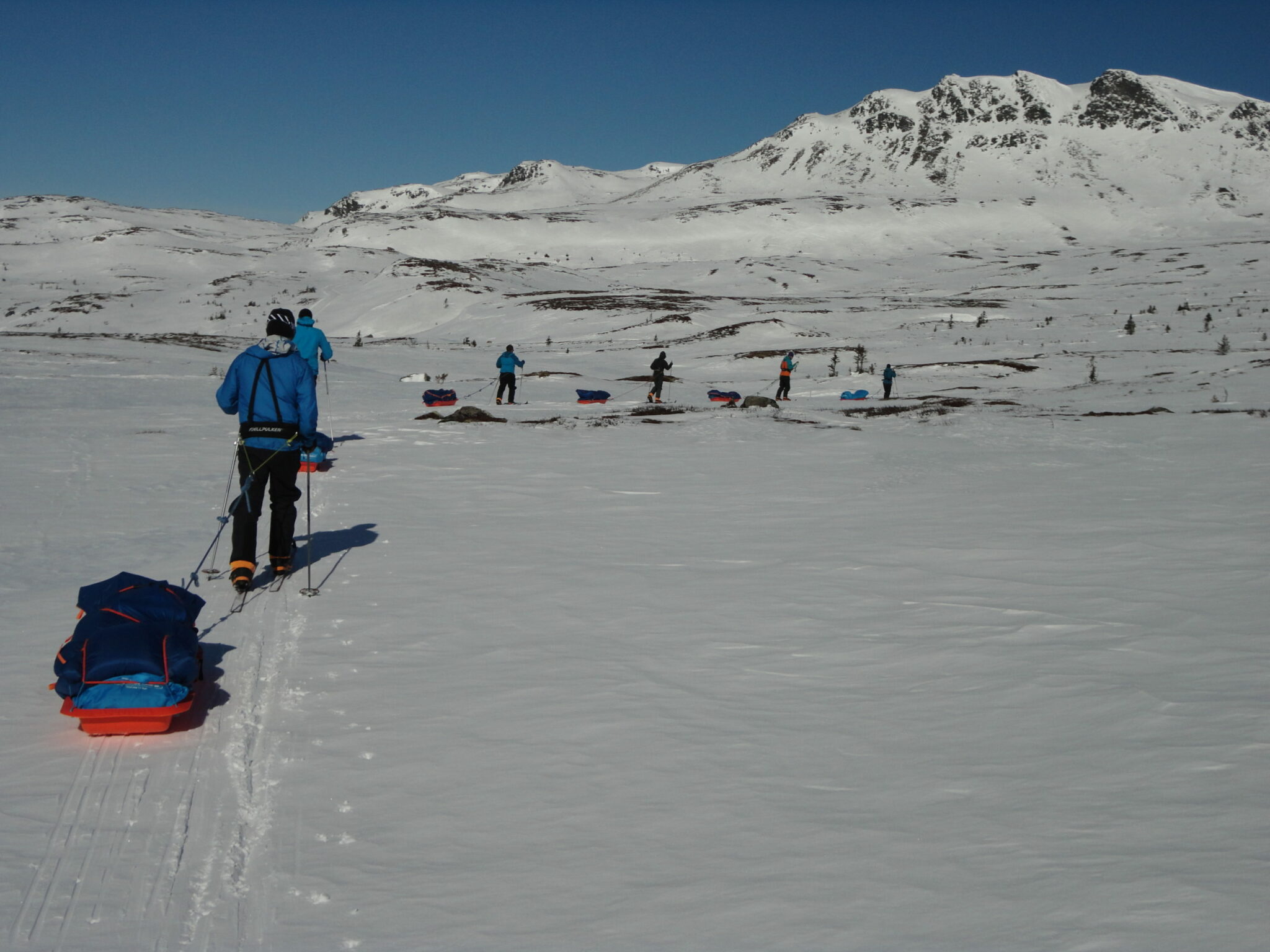
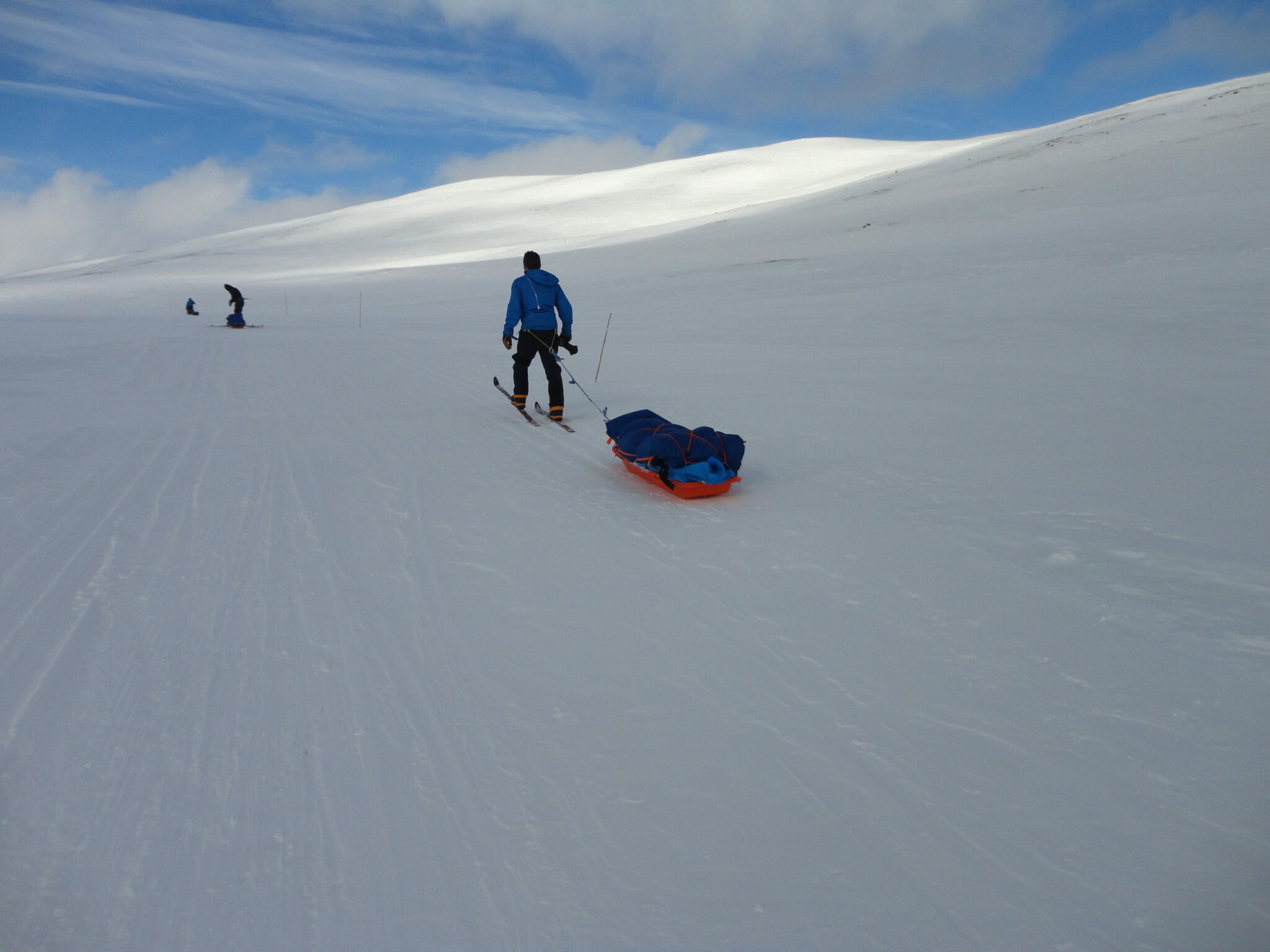
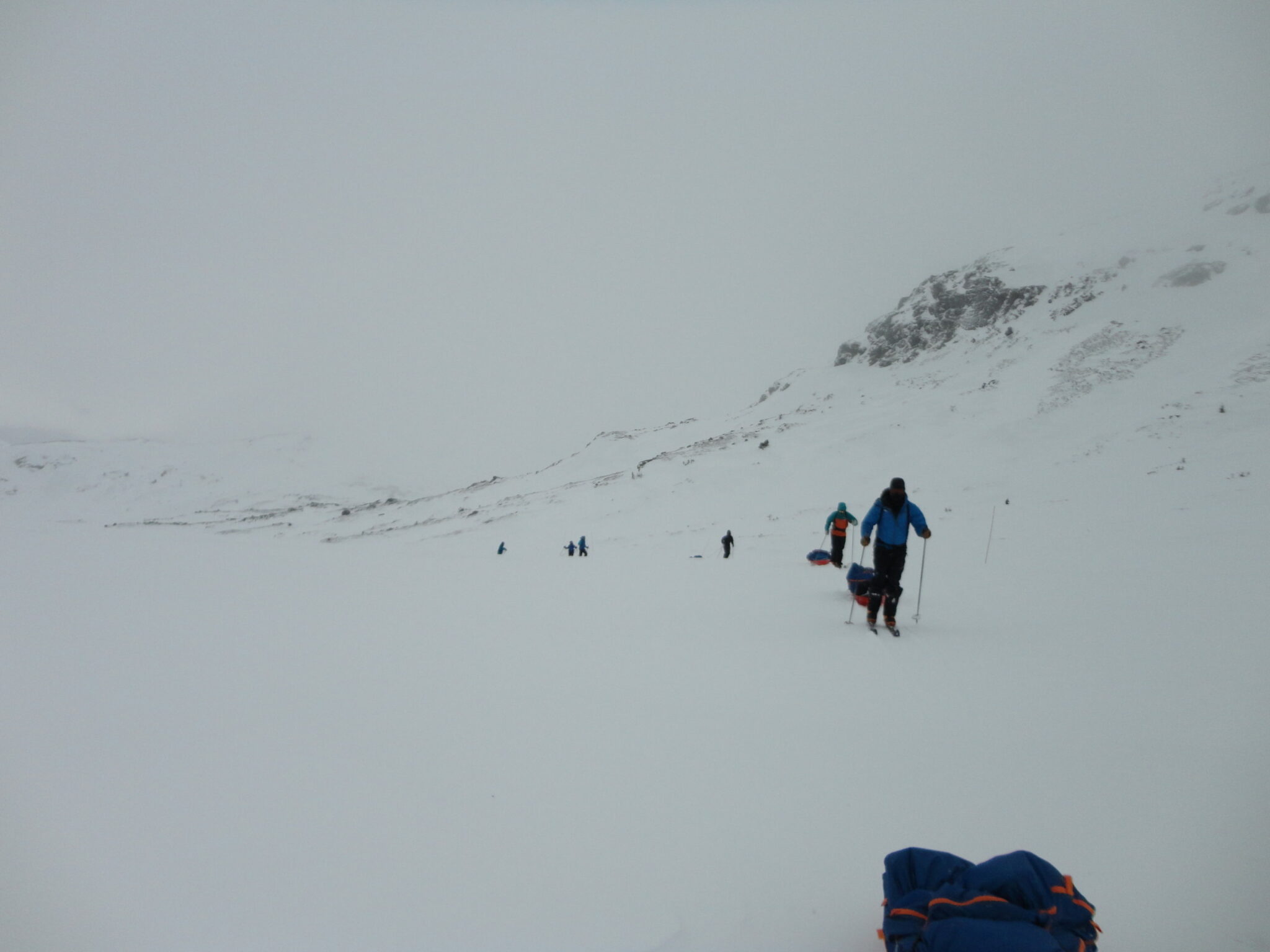
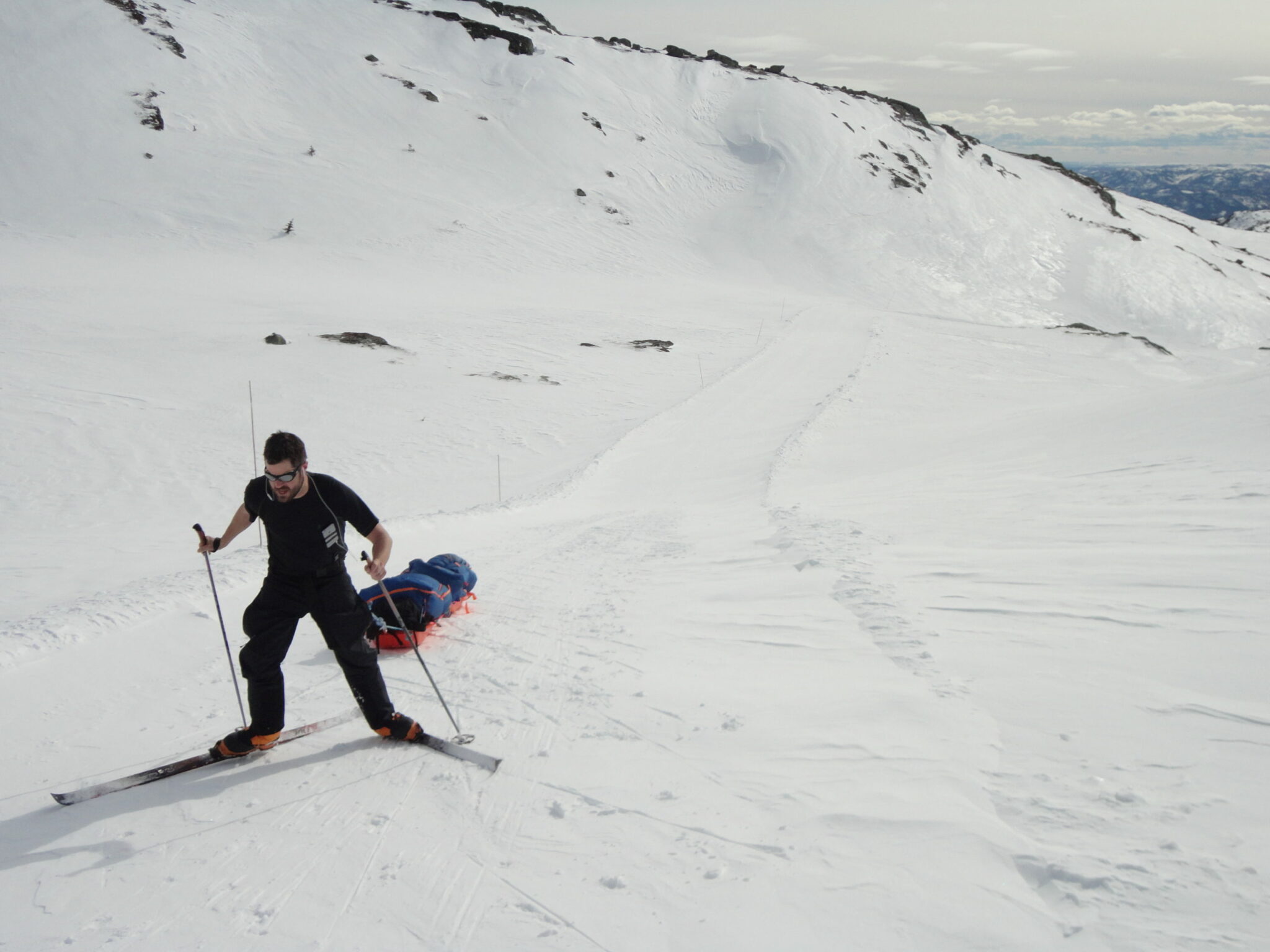
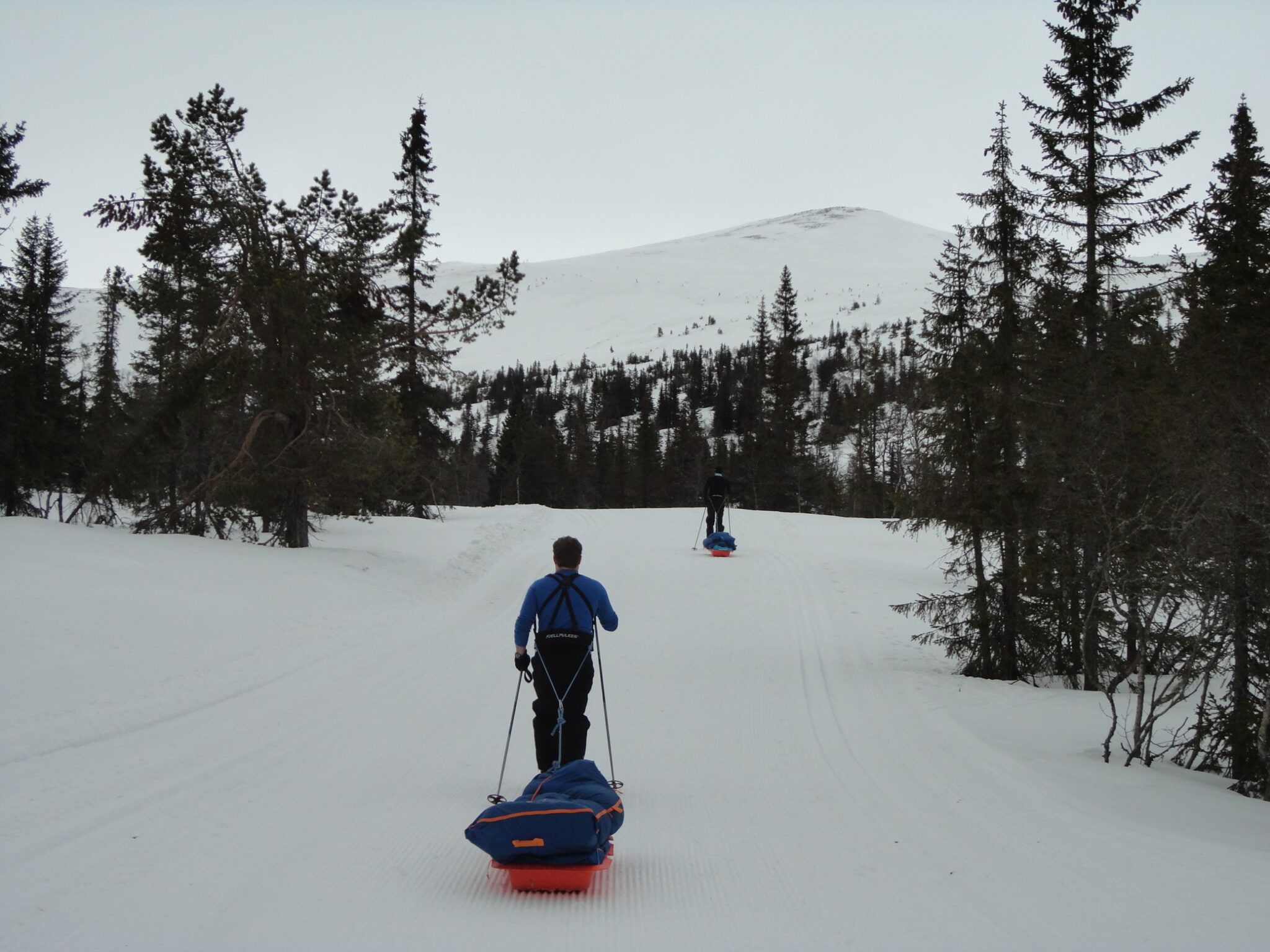
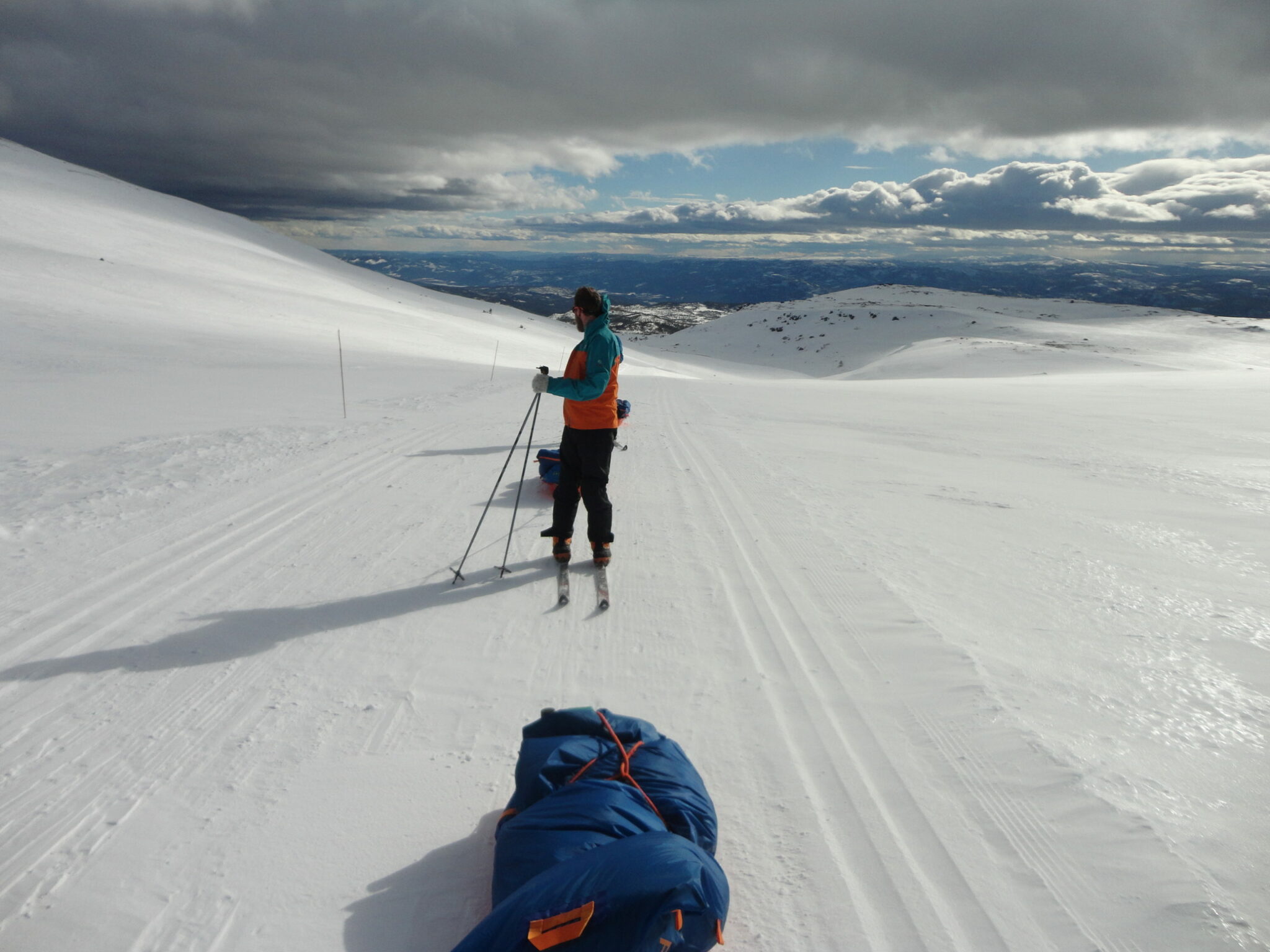
Do you want to learn how to Nordic ski pulling sleds, learn polar navigation, ski efficiently on flat and up and down hilly terrain, setting up tents, sleeping systems, Manage hypothermia, frostbite and cold weather conditions? This is the trip for you. The cost start from $2,900.

The winters in Norway are fantastic, with 2-3 meters of snow and magical light effects (but we can’t guarantee seeing the Northern Lights!)

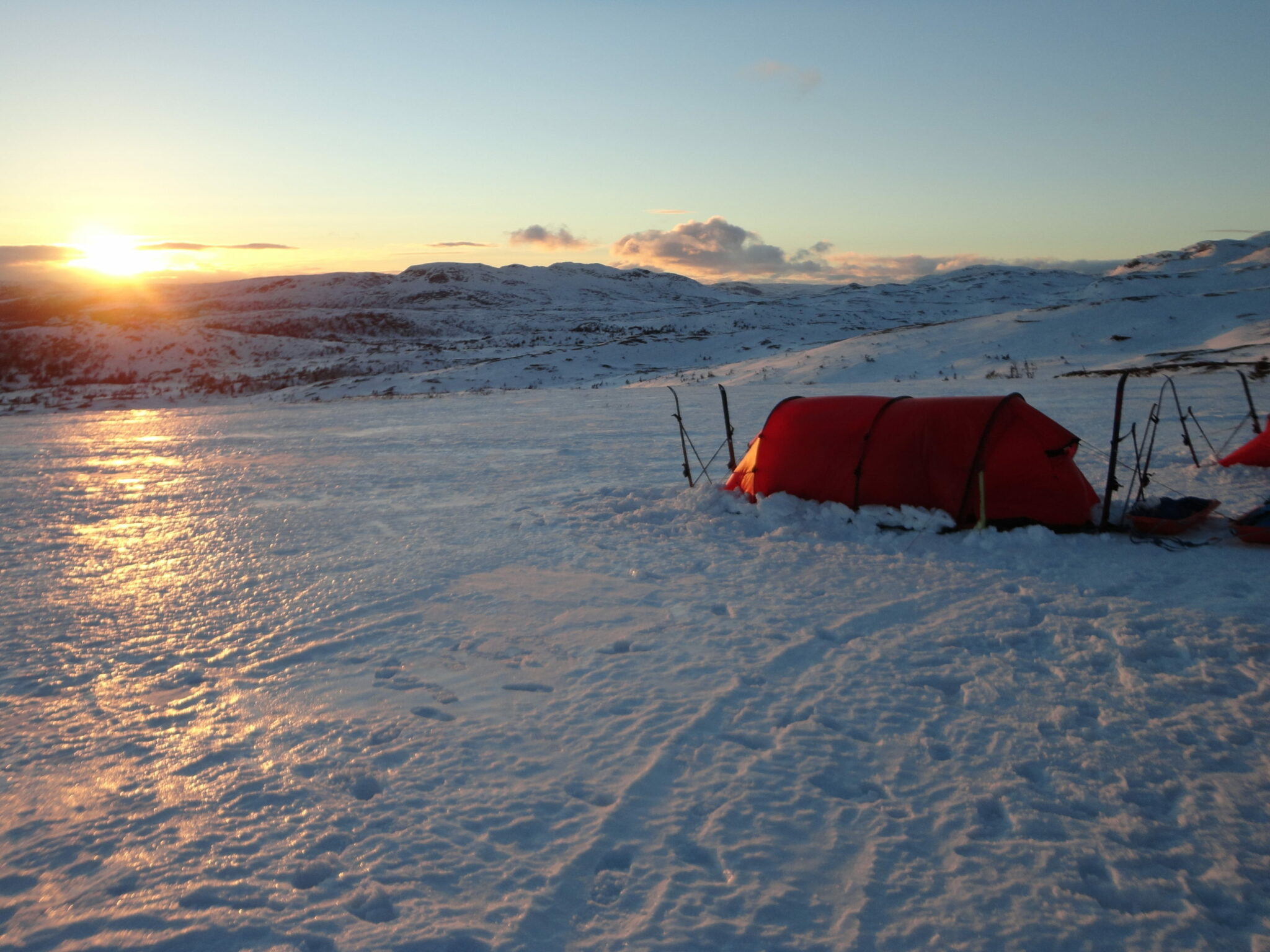
Join us in the Norwegian mountains of Gaustatoppen and Kvitavatn, to learn all about the skills you need to enjoy the snow and the mountains, and also to spend three nights out camping in ‘relative comfort’. This part of Norway, adjoining and with access to the Hardanger plateau where Amundsen trained for his Antarctic expedition, is well known for plenty of snow and very good conditions for winter training.

This is the ideal trip for those who have never used cross country skis or slept outdoors in winter conditions before now. You’ll also have the opportunity to make snow shelters. It is a great introduction to taking part in a full-scale ski expedition in the future.

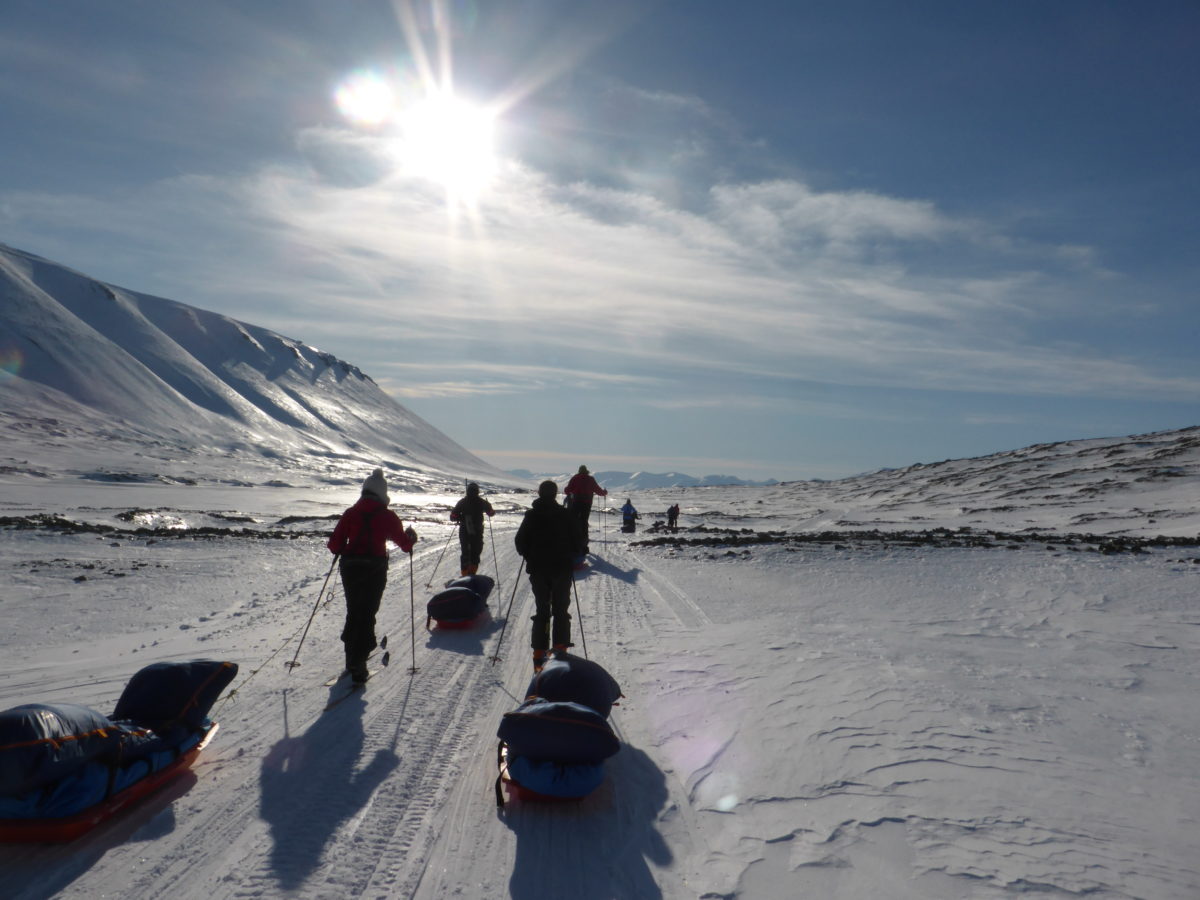
This training and challenge will help you prepare for a Svalbard crossing, Greenland crossing and possible Polar exploration to the poles, or just enjoy a winter trip to Norway. We run these trips in February and March each year.
Upcoming Trips

2027
Jan
Feb
Mar
Apr
May
Jun
Jul
Aug
Sep
Oct
Nov
Dec
No trips found for Jan 2027.
20
Feb
20th Feb – 27th Feb
Ski Tour/ Polar Travel Course
CLOSED
No trips found for Mar 2027.
No trips found for Apr 2027.
No trips found for May 2027.
No trips found for Jun 2027.
No trips found for Jul 2027.
No trips found for Aug 2027.
No trips found for Sep 2027.
No trips found for Oct 2027.
No trips found for Nov 2027.
No trips found for Dec 2027.

Itinerary

1
Day

Arrival in Norway at Oslo Gardermoen Airport

Transfer by airport bus into the mountains (approx 4 hours). We will be staying the first three nights and the last night at Kvitavatn Fjellstue, which has excellent facilities and fantastic food. Evening: dinner and itinerary briefing.

2
Day

Introduction to the Course

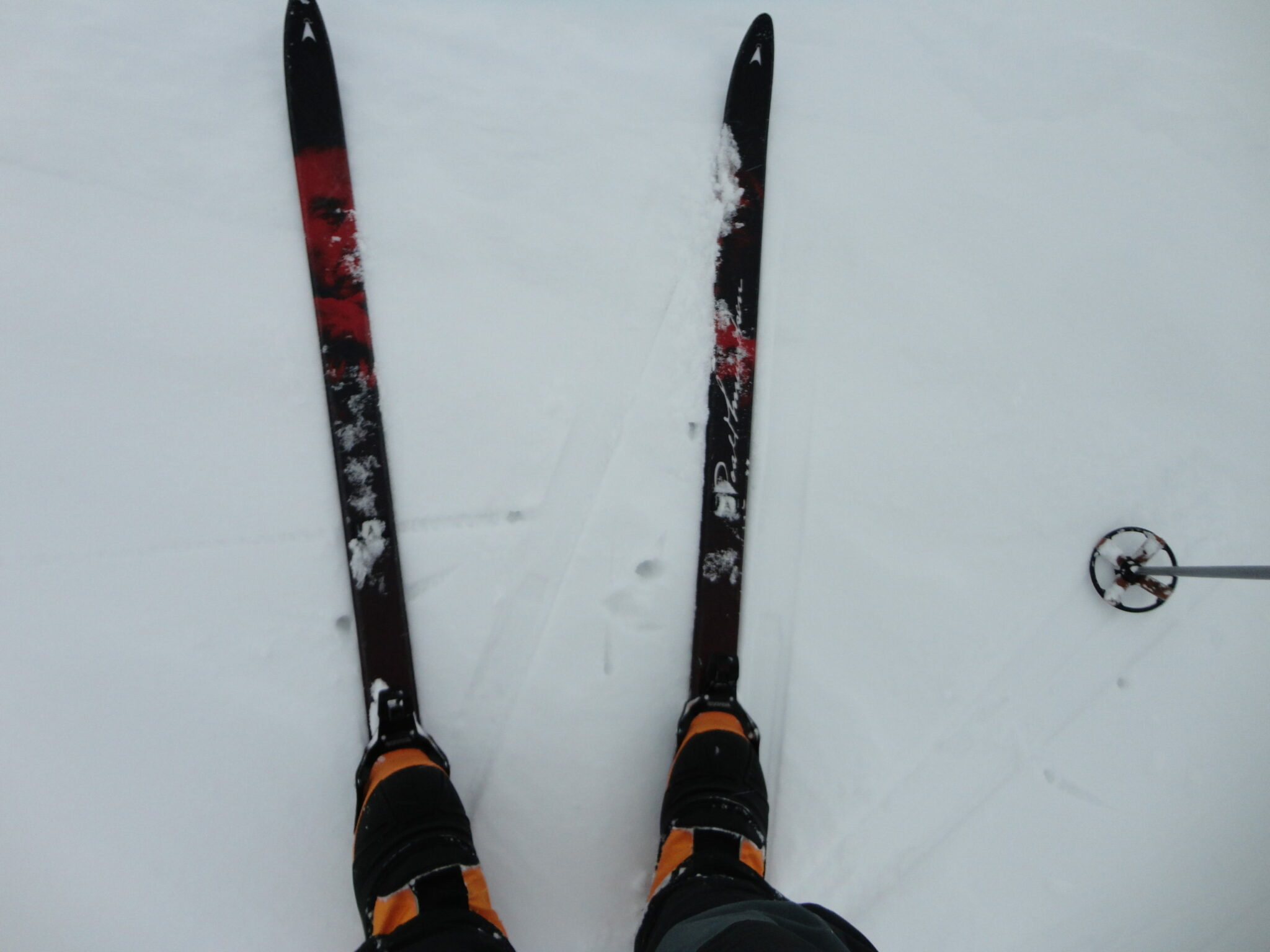
Introduction to use of personal clothing, how to avoid cold weather injuries…and then we’re outside for our first cross country skiing session. Our goal is to teach you how to ski on cross country skis, and be able to use the equipment in a correct and energy-saving way. Lunch back at the fjellstue before a short ski tour. Evening: cover some of the tricks and tips about how to spend a night in a tent in winter in relative comfort, learning about polar routines, and equipment.

3
Day

Skiing of Track

This morning we explore skiing off-track and take on some steeper ground, back to the fjellstue for lunch, before setting off on our first journey taking with us our pulks (sledge) but at this stage they’re not fully laden! Winter campcraft session, and then in the evening we start to prepare the equipment ready for our three nights out on expedition.

4
Day

Ski Expedition

We will practice winter navigation as we go – using the sun, wind, snow and the GPS/compass We won’t travel far, however, on the first day before we set up camp for the night. On one of the days, we will stop and set up camp a little earlier in the afternoon before learning about and building a variety of snow shelters. Evening: information about the importance of correct nutrition – what to eat and drink, and how often, whilst on ski expeditions.

5
Day

Ski Expedition

We will practice winter navigation as we go – using the sun, wind, snow and the GPS/compass We won’t travel far, however, on the first day before we set up camp for the night. On one of the days, we will stop and set up camp a little earlier in the afternoon before learning about and building a variety of snow shelters. Evening: information about the importance of correct nutrition – what to eat and drink, and how often, whilst on ski expeditions.

6
Day

Ski Expedition

We will wake in the morning and have our final meal together as a team. We will then have to clean up all of our items and make sure the cabin is left as it was when we arrived. The team will have a morning transfer back to Kongsberg, before taking the train journey again to Oslo Gardermoen Airport to catch your evening flight or for your onward journey. If you plan to stay on in Oslo for longer, we can definitely help you with different ideas of what else to see and do!

7
Day

Ski Expedition

Today is your last day on skis as we complete our journey back to the Fjellstue with time to improve our downhill technique using ‘freeheel’ skis. We sort out all the equipment and then well-earned hot showers/saunas, our final dinner, and an evening presentation ‘What next?’ regarding future trips and expeditions.

8
Day

Transfer back to the Airport

Transfer back to the Airport

Advice

1. Lay the Aerobic Groundwork

Nordic skiing is one of the most aerobic sports out there, so before thinking about pace or technique, it’s worth investing time in your cardiovascular fitness.

A good starting point is three to five steady aerobic sessions per week, gradually building duration before you increase intensity. As your fitness improves, aim for longer efforts of 90 minutes to three hours. In Norway, you’ll often be skiing for several hours across varied terrain, and a solid aerobic base makes that feel manageable rather than exhausting. It gives you a steady rhythm and keeps the experience enjoyable.

2. Build Strength Where It Counts

Unlike downhill skiing, Nordic skiing requires you to actively propel yourself forward. Your core, hips and upper body are working constantly, especially on climbs and flat sections.

It’s worth focusing on core stability through exercises like planks and dead bugs, pulling strength through rows or pull-ups, shoulder and tricep endurance, and single-leg stability for better glide and weight transfer. The stronger your foundation, the more efficiently you move, and efficiency matters a lot on longer days when fatigue starts to creep in.

3. Prepare Your Body for the Cold

Norwegian winters can be demanding, and cold air affects your breathing, your muscles and how much energy you burn. If you can train outdoors in cooler conditions beforehand, it makes a real difference.

It’s also worth testing your layering system, gloves and base layers during actual workouts rather than for the first time on the trail. You’ll generate a lot of heat while skiing, but you can cool down quickly during breaks, so understanding how your body responds to that shift in advance means you can focus on skiing rather than managing your clothing.

4. Invest in Technique Early

Nordic skiing is technical, and small improvements in balance, timing and weight transfer can reduce how much energy you spend over a full day on skis.

If there’s a Nordic ski centre nearby, a lesson before your trip is a great investment. Roller skiing is another useful option if it’s available to you. Alongside that, single-leg balance drills and hip and ankle mobility work will support better movement on snow. The smoother your glide, the less effort you’re wasting, and that adds up significantly over distance.

5. Train for Consecutive Days

Most programmes in Norway involve skiing on consecutive days, so it’s helpful to build that into your training beforehand.

Try pairing a longer effort one day with a moderate session the next, gradually increasing these blocks over time. This trains your body to recover overnight and keep performing when it’s carrying some fatigue, which is exactly what multi-day skiing asks of you.

Training

Here’s the edited version:

1. Train for Time on Your Feet, Not Just Distance

It’s easy to measure training by distance, but for Nordic skiing, time spent moving at a steady effort matters more. On this trek, you could be skiing for four to six hours in a day, not racing, just moving continuously at a comfortable pace.

Building your long aerobic sessions toward two to three hours or more is a good target, mixing in hikes on varied terrain and sustained steady state cardio at a conversational effort. When you can move for several hours without feeling wiped out at the end, you’re in a good place.

2. Build Muscular Endurance in Your Legs

Nordic skiing asks a lot of your quadriceps, hamstrings and glutes through constant small adjustments and weight shifts throughout the day. It’s less about explosive power and more about repeated, controlled effort over time.

Step-ups at higher repetitions, walking lunges, wall sits and slow controlled squats are all worth including. The goal is training your legs to resist fatigue rather than produce maximum force, and that will make a noticeable difference on longer ski days.

3. Work on Coordination and Rhythm

Nordic skiing is rhythm based. Efficiency comes from timing, glide and weight transfer rather than forcing your way through it.

Single-leg balance drills, skater hops, lateral bounds and agility work are all useful here, as is roller skiing if it’s accessible to you. The more coordinated your movement, the less energy you spend, and good rhythm helps keep your heart rate steady over distance rather than spiking on every climb.

4. Practice Fueling During Training

Cold environments tend to mask how much energy you’re actually burning, and Nordic skiing over consecutive days has significant calorie demands. Your longer training sessions are a good opportunity to work this out before you arrive in Norway.

Try eating small amounts regularly throughout your sessions and test different options, whether that’s energy bars, gels or real food, to find what works for you. Hydration is easy to overlook in the cold, but it still matters. Having a fueling routine you trust going in keeps your energy levels stable and supports recovery between ski days.

5. Treat Recovery as Part of Your Training

Recovery is worth taking as seriously as the sessions themselves. Consistent sleep, regular stretching of your hips, calves and lower back, and light active recovery days all contribute to how well you perform when it counts.

It’s also worth easing back in the final weeks before your trip rather than pushing hard right up to departure. Arriving slightly undertrained is a much better position than arriving fatigued. The goal is to feel strong and fresh when you step onto the snow.

Why Us

Nordic ski trekking in Norway is real winter travel. It involves steady movement across snow in cold, often variable conditions, and it rewards those who arrive well prepared.

Nordic skiing is aerobic, technical and rhythm based. The people who get the most out of it tend to have a solid endurance foundation, good muscular stamina and the ability to keep performing across consecutive days on snow.

When you join us, we take care of the structure, pacing and safety so you can focus on skiing well and taking in the Norwegian winter landscape.

If this sounds like the kind of adventure you’re looking for, we’d love to be part of your preparation and guide you through the experience.

FAQ

How fit do I need to be?

You don’t need to be an elite athlete, but a good level of endurance goes a long way. You’ll be skiing for several hours each day, often on consecutive days, so your aerobic base matters. If you can comfortably hike for three to four hours on rolling terrain, you’re in a good starting position. Consistent preparation makes all the difference.

Do I need previous Nordic skiing experience?

Experience is helpful, but it’s not essential. Good general fitness, balance and coordination matter just as much. If you’re new to Nordic skiing, we’d recommend getting a few lessons before you travel. Even a small amount of practice can make your first days in Norway noticeably more enjoyable.

What is the terrain like?

Expect varied, rolling terrain with steady climbs and long open sections. Norway is known for its excellent ski tracks, though conditions can shift depending on the weather. The pace is steady and controlled throughout, this is about moving efficiently across the landscape rather than skiing aggressively.

How cold does it get?

Temperatures vary, but you should plan for proper winter conditions. Some days may sit just below freezing, while others can be significantly colder, particularly in the mornings. We provide detailed kit guidance so you arrive properly layered and comfortable. When you dress well and keep moving, the cold becomes part of the experience rather than something to manage.

How many hours will we ski each day?

Typically four to six hours per day including breaks. We keep a consistent pace that gives everyone time to settle into a rhythm and move well throughout the day.

Is it physically demanding?

It is an endurance challenge, but a very achievable one with the right preparation. The key is steady training in the months beforehand. Arrive prepared and you’ll find it both challenging and genuinely rewarding.

Reviews

Price
From
$2,900
/ person
Information

Country:

Norway

Duration:

8 Days

Difficulty:

Medium

Group Size:

12

Ready to go?

Does this information excite you to take the next step towards challenging yourself Nordic ski training in Norway. If so, get in touch today.


Similar Treks

Crossing Svalbard
Crossing Svalbard
Overview Crossing Svalbard in the far north of our amazing planet is home to polar bears, frozen landscape and is one of the most unique adventure destinations on...
View more