
Home Other Regions Kanchenjunga Trek

Overview

Trek to the third highest mountain in the world

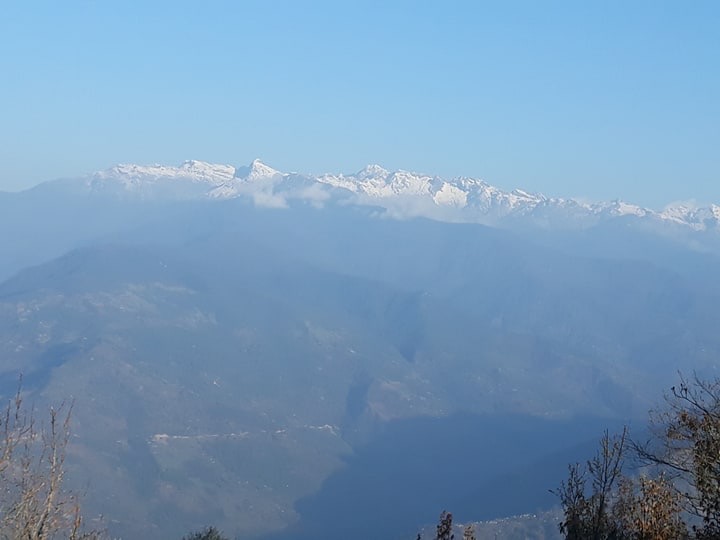
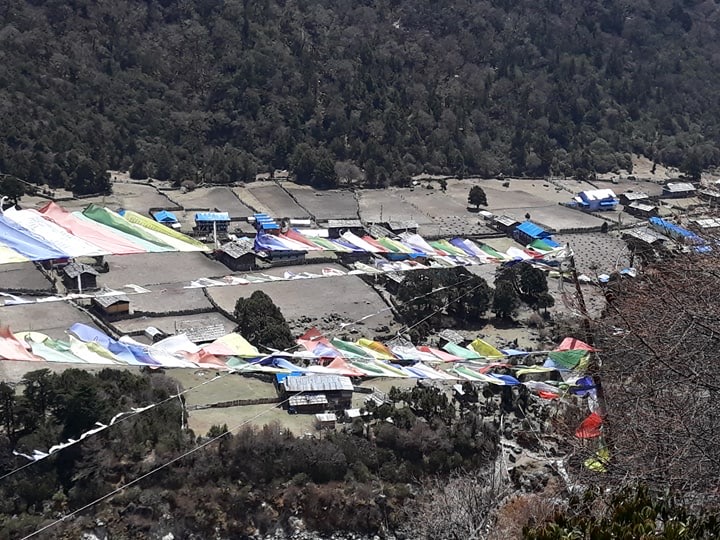
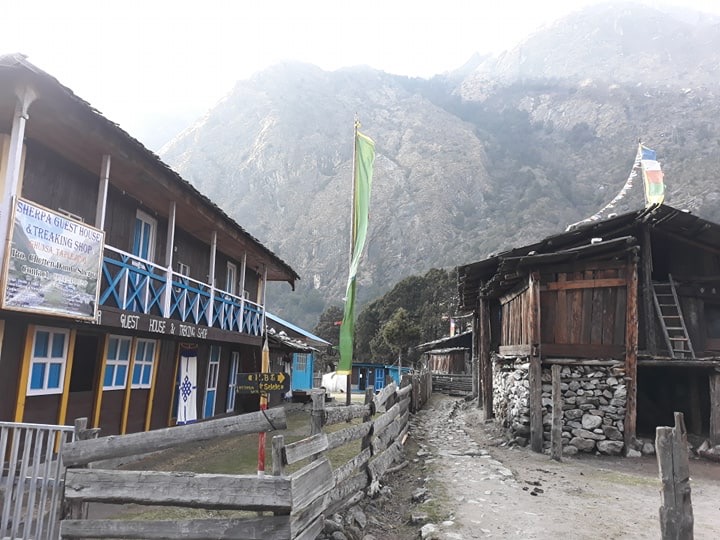
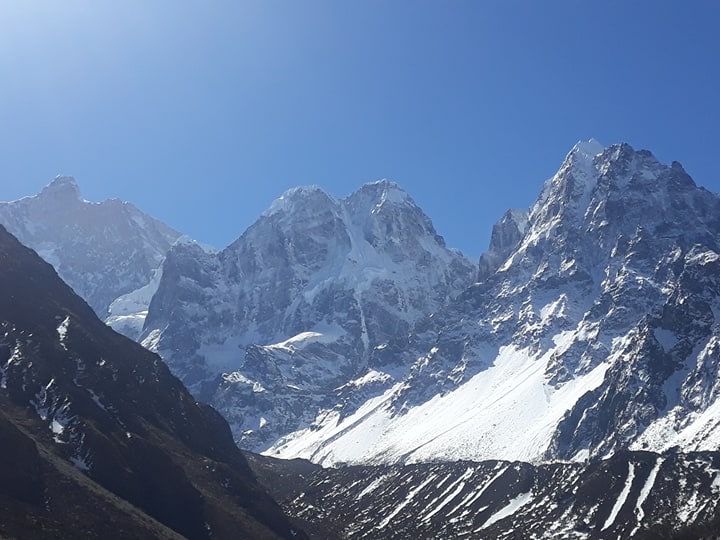
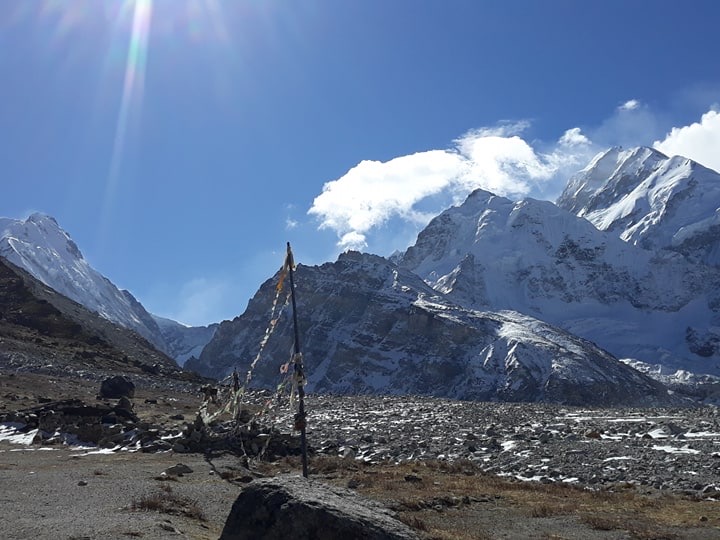
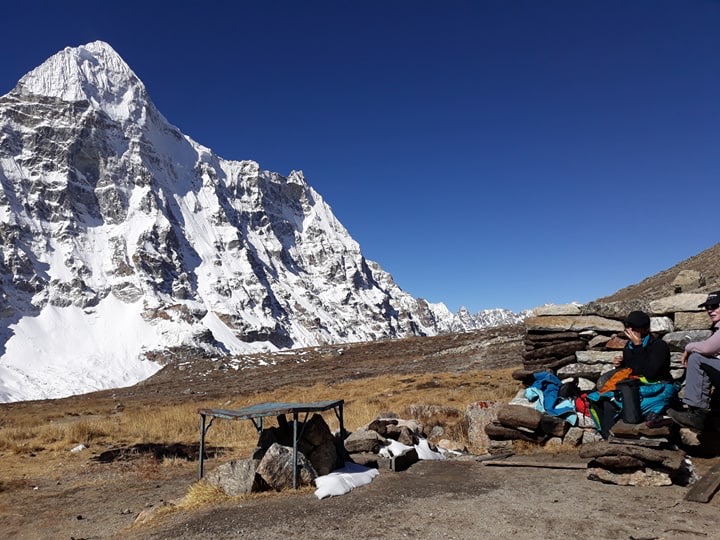
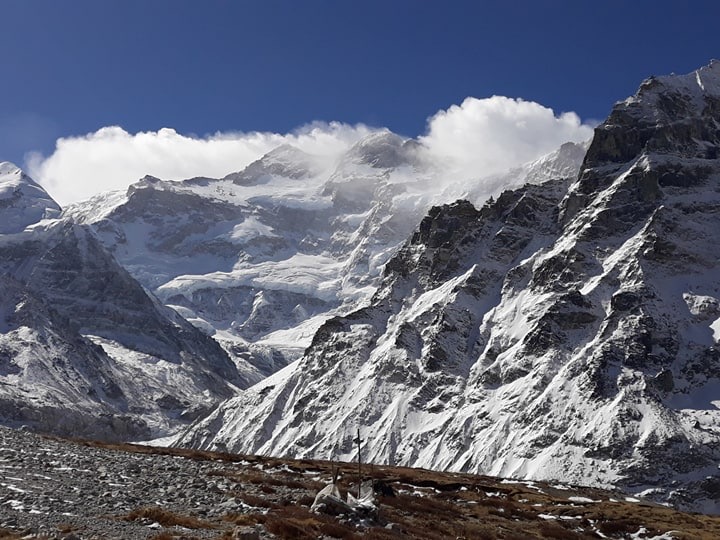
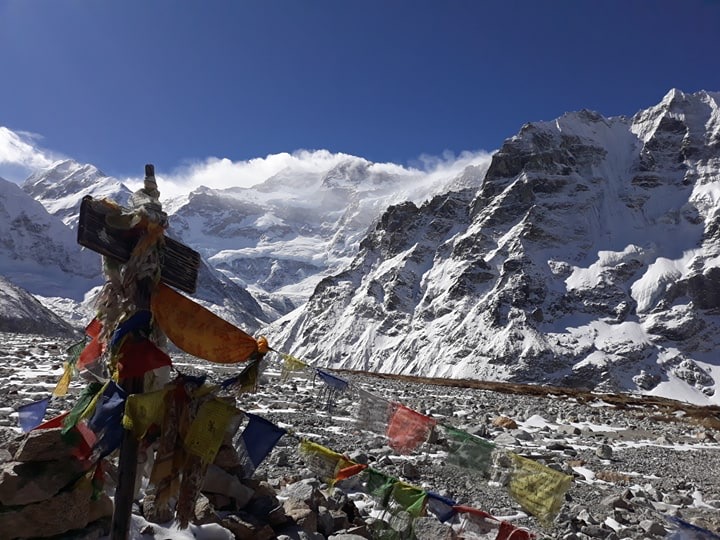
Kanchenjunga is the third highest mountain in the world, known as the queen of the Great Himalayas stands on the Nepal – Sikkim border high above rhododendrons and large forests with rivers pouring from its sides. If you like remote trekking in the Himalayas then this could be the trek for you. Kanchenjunga is east of Kathmandu and Mount Everest. The nearest airport and roads are a long way from the mountain which keeps a lot of people away from this region. On the trip you will be able to study the culture and lifestyle of Rai and Limbu communities. We will trek to the northern base camp at Pangpema 5,140m/ 16,863 feet and give you the best vantage points of the region.

We trek to Kanchenjunga North Base Camp and return to Taplejung by the same route, then flying back to Kathmandu from Taplejung takes minimum 23 Days. But the same trek can be done in 18 days if taking both way flight from/to Taplejung. To make a trekking trip to the south base camp at Oktang 4,800m/ 15,748 feet and Yalung glacier at same elevation, taking both way flight from Kathmandu to Taplejung takes minimum 16 days.

If you want to make the entire trek into the Kanchenjunga region including Milke Danda ridge (the trekking route above 4/5 days from Basantapur) with both North and south base camp, crossing five high passes in ‘Mirgin La route’. Crossing maximum elevation of 4,660m/ 15,848 feet or ‘Lapsang La route’ at 5,110m/ 16,765 feet in between the short connection route of these two base camp takes minimum 26 to 30 days.We can also tailor a trek to your liking and develop an itinerary of your choice. Please feel free to contact us for further detail on logistics & cost on these itineraries.
Upcoming Trips

2026
2027
Jan
Feb
Mar
Apr
May
Jun
Jul
Aug
Sep
Oct
Nov
Dec
No trips found for Jan 2026.
No trips found for Feb 2026.
21
Mar
21st Mar – 4th Apr
Traditional EBC Trek
4 SPACES OPEN
27
Mar
27th Mar – 11th Apr
Sleeping at EBC
1 SPACE OPEN
29
Mar
29th Mar – 16th Apr
Sleeping in EBC Via Gokyo
3 SPACES OPEN
4
Apr
4th Apr – 18th Apr
Traditional EBC Trek
SOLD OUT
10
Apr
10th Apr – 25th Apr
Sleeping at EBC
6 SPACES OPEN
18
Apr
18th Apr – 2nd May
Traditional EBC Trek
4 SPACES OPEN
24
Apr
24th Apr – 9th May
Sleeping at EBC
SOLD OUT (Private Group)
18
Apr
18th Apr – 2nd May
Traditional EBC Trek
8 SPACES OPEN
1
May
1st May – 16th May
Sleeping at EBC
SOLD OUT
2
May
2nd May – 16th May
Traditional EBC Trek
SOLD OUT
8
May
8th May – 23rd May
Sleeping at EBC
2 SPACES OPEN
15
May
15th May – 30th May
Sleeping at EBC
4 SPACES OPEN
16
May
16th May – 30th May
Traditional EBC Trek
10 SPACES OPEN
23
May
23rd May – 6th Jun
Traditional EBC Trek
9 SPACES OPEN
No trips found for Jun 2026.
No trips found for Jul 2026.
No trips found for Aug 2026.
4
Sep
4th Sep – 19th Sep
Sleeping at EBC
8 SPACES OPEN
12
Sep
12th Sep – 26th Sep
Tradtional EBC Trek
SOLD OUT
25
Sep
25th Sep – 10th Oct
Sleeping at EBC
10 SPACES OPEN
26
Sep
26th Sep – 10th Oct
Traditional EBC Trek
9 SPACES OPEN
2
Oct
2nd Oct – 17th Oct
Sleeping at EBC
10 SPACES OPEN
3
Oct
3rd Oct – 25th Oct
Everest Base Camp and Mera Peak
4 SPACES OPEN
3
Oct
3rd Oct – 17th Oct
Traditional EBC Trek
SOLD OUT (private)
9
Oct
9th Oct – 24th Oct
Sleeping at EBC
8 SPACES OPEN
10
Oct
10th Oct – 24th Oct
Traditional EBC Trek
10 SPACES OPEN
16
Oct
16th Oct – 31st Oct
Sleeping at EBC
5 SPACES OPEN
17
Oct
17th Oct – 31st Oct
Traditional EBC Trek
6 SPACES OPEN
23
Oct
23rd Oct – 7th Nov
Sleeping at EBC
10 SPACES OPEN
30
Oct
30th Oct – 14th Nov
Sleeping at EBC
8 SPACES OPEN
31
Oct
31st Oct – 14th Nov
Gokyo Lake and Gokyo Ri
8 SPACES OPEN
1
Nov
1st Nov – 21st Nov
3 Passes Trek
8 SPACES OPEN
6
Nov
6th Nov – 21st Nov
Sleeping at EBC
5 SPACES OPEN
7
Nov
7th Nov – 24th Nov
EBC via Gokyo
3 SPACES OPEN
7
Nov
7th Nov – 21st Nov
Traditional EBC Trek
10 SPACES OPEN
13
Nov
13th Nov – 28th Nov
Sleeping at EBC
10 SPACES OPEN
14
Nov
14th Nov – 28th Nov
Tradition EBC Trek
10 SPACES OPEN
19
Nov
19th Nov – 5th Dec
Sleeping at EBC
10 SPACES OPEN
28
Nov
28th Nov – 12th Dec
Traditional EBC Trek
10 SPACES OPEN
No trips found for Dec 2026.
Jan
Feb
Mar
Apr
May
Jun
Jul
Aug
Sep
Oct
Nov
Dec
No trips found for Jan 2027.
27
Feb
27th Feb – 13th Mar
Traditional EBC Trek
10 SPACES OPEN
5
Mar
5th Mar – 20th Mar
Sleeping at EBC
SOLD OUT
12
Mar
12th Mar – 27th Mar
Sleeping at EBC
8 SPACES OPEN
13
Mar
13th Mar – 27th Mar
Traditional EBC Trek
10 SPACES OPEN
19
Mar
19th Mar – 31st Mar
Luxury EBC Trek – Sleep at EBC
8 SPACES OPEN
28
Mar
28th Mar – 14th Apr
EBC Via Gokyo
8 SPACES OPEN
27
Mar
27th Mar – 10th Apr
Traditional EBC Trek
SOLD OUT (PRIVATE GROUP)
2
Apr
2nd Apr – 17th Apr
Sleeping at EBC
9 SPACES OPEN
10
Apr
10th Apr – 24th Apr
Traditional EBC Trek
10 SPACES OPEN
16
Apr
16th Apr – 1st May
Sleeping at EBC
10 SPACES OPEN
18
Apr
18th Apr – 29th Apr
Luxury EBC with Helicopters
6 SPACES OPEN
24
Apr
24th Apr – 8th May
Traditional EBC Trek
10 SPACES OPEN
30
Apr
30th Apr – 8th May
Sleeping at EBC
10 SPACES OPEN
1
May
1st May – 15th May
Traditional EBC Trek
10 SPACES OPEN
7
May
7th May – 22nd May
Sleeping at EBC
10 SPACES OPEN
14
May
14th May – 29th May
Sleeping at EBC
9 SPACES OPEN
No trips found for Jun 2027.
No trips found for Jul 2027.
No trips found for Aug 2027.
No trips found for Sep 2027.
No trips found for Oct 2027.
No trips found for Nov 2027.
No trips found for Dec 2027.

Itinerary

1
Day

Day 1

Arrive into Kathmandu airport. You will have beautiful views over the city as you fly into Kathmandu. You will see the mighty Himalaya, and of the terraced fields below. After going through customs, a representative of Ian Taylor Trekking will be there to meet you and transfer you to your hotel. We have an early evening briefing to allow you to meet our ground staff and your Trekking guides for the trip.

2
Day

Day 2

Fly to Suketar and trek to Phurumba/ Jogidanda

3
Day

Day 3

Trek to Chirwa 1,190m

4
Day

Day 4

Trek to Sakathum 1,640m

5
Day

Day 5

Trek to Amjilassa 2,490m

6
Day

Day 6

Trek to Gyabla 2,730m

7
Day

Day 7

Trek to Gunsa 3,410m

8
Day

Day 8

Rest day or acclimatization at Gunsa

9
Day

Day 9

Trek to Khambachen 4,150m

10
Day

Day 10

Trek to Lhonak 4,790m

11
Day

Day 11

Trek to Pangpema 5,140m

12
Day

Day 12

Exploration day around Northern Base Camp Kanchenjunga Glacier

13
Day

Day 13

Trek back to Khambachen 4,150m

14
Day

Day 14

Trek back to Gunsa 3,410m

15
Day

Day 15

Trek to Selele Kharka

16
Day

Day 16

Trek over the Selele Pass – trek down to Tseram 3,900m

17
Day

Day 17

Trek to Ramche 4,620m

18
Day

Day 18

Explore around Southern Base Camp and Yalung Glacier and return to Ramche

19
Day

Day 19

Trek back to Torntan 2,990m

20
Day

Day 20

Trek to Keswa 1,960m

21
Day

Day 21

Trek to Suketar 2,400m

22
Day

Day 22

Fly back Suketar to Kathmandu and transfer to hotel and onward journey.

23
Day

Day 23

We will transfer you back to the airport for your international flight home.

Advice

The Kanchenjunga Trek is one of Nepal’s last great wilderness journeys. It’s remote, physically demanding, and far less commercial than many other Himalayan routes. That’s part of what makes it so special, but it also means proper preparation really matters.

Here’s our honest advice to help you get the most from this adventure.

1. Come Prepared

This is a long expedition style trek with many days in a row of 6 to 8 hours of hiking, often on steep, rough terrain.

We recommend 12 to 16 weeks of focused preparation including:

  • Long weekend hikes
  • Back to back training days
  • Stair climbing with a weighted pack
  • Strength work for legs and core

Its very important to be in top physical condition ahead of this trek..

2. Understand What “Remote” Really Means

Kanchenjunga is much more isolated than routes like Everest Base Camp.

Accommodation is basic and Facilities are limited. Its not very easy to quit once you’re deep in the region.

This is true wilderness trekking so come very prepared!.

3. Be Flexible With Your Plans

Getting to the trailhead often means internal flights and long jeep transfers, and these depend on the weather.

We strongly suggest:

  • Arriving in Nepal at least two days before the trek starts
  • Leaving at least two buffer days after the trek finishes

Weather delays are just part of Himalayan travel. Planning conservatively takes the pressure off and protects your international flights.

4. Altitude Changes

The trek goes above 5,000m, and altitude affects everyone differently, no matter your age or fitness level.

What helps is:

  • Moving at a steady, controlled pace
  • Drinking water consistently
  • Eating properly, even when you don’t feel hungry
  • Speaking up early if you notice symptoms

There’s no benefit to pushing hard at altitude. You will need a lot of patience to get through this trek.

5. Pack for Cold, Not Comfort

Temperatures can drop well below freezing at higher camps, especially in early mornings and evenings.

Focus on:

  • A good layering system
  • Quality waterproof outerwear
  • Warm down insulation
  • Well broken in trekking boots

6. Choose the Right Season Carefully

The best trekking windows are:

  • April to May (pre-monsoon)
  • October to November (post-monsoon)

These months usually give you clearer skies, better mountain views, and more stable trail conditions. Outside these periods, heavy snow or monsoon rains can make things harder and riskier.

7. Come With the Right Mindset

Standing beneath Kanchenjunga, the world’s third highest mountain, is an unforgettable moment, but this trek is about much more than a single viewpoint.

It’s about:

  • Walking through isolated Himalayan villages
  • Experiencing authentic local culture
  • Spending days surrounded by vast, untouched landscapes
  • Disconnecting from modern life

If you come expecting polished infrastructure, it might feel tough. If you come looking for genuine adventure and a shift in perspective, this trek will go beyond what you expect.

Training

The Kanchenjunga Trek isn’t a casual hiking holiday. This is a demanding, expedition style trek in one of Nepal’s most remote regions. The better prepared you are physically, the more you’ll enjoy the trek.

Here are some training tips to help you prepare:

1. Give Yourself 12 to 16 Weeks to Prepare

We strongly suggest at least 12 to 16 weeks of structured training before you go.

This trek involves:

  • Multiple 6 to 8 hour hiking days
  • Sustained ups and downs
  • Consecutive days on your feet
  • High altitude (above 5,000m)

Focus on training that builds endurance, leg strength, and recovery ability, not just general fitness.

2. Prepare For Long, Consistent Hiking

Aim to build up to:

  • 4 to 6 hour hikes midweek
  • 6 to 8 hour hikes on weekends
  • Back to back long hikes when you can

If you can comfortably hike for 7 to 8 hours on back to back days carrying a daypack, you’re in good shape.

Train on uneven terrain whenever possible. Trails, hills, and stairs are much more useful than flat pavement.

3. Train With Weight

During the trek, you’ll carry a backpack with water, extra layers, and personal items.

We recommend gradually building up to training with:

  • 6 to 10kg weight in your pack
  • Stair climbing sessions
  • Hill repeats with weight

This strengthens your legs, hips, and lower back, all of which are important for long descents.

4. Build Strength, Not Just Cardio

Endurance is important, but strength helps protect you from injury and fatigue.

Focus on:

  • Squats
  • Lunges
  • Step ups
  • Core work (planks, rotational exercises)
  • Glute strengthening

Aim for a minimum of 2 strength training per week.

5. Prepare for Consecutive Days

A successful Kanchenjunga trek requires consistency over 2 to 3 weeks.

Your body needs to recover overnight and be ready to go again the next morning.

Back to back long hikes are one of the best ways to prepare for this. It teaches your legs to keep going when they’re already tired, which is exactly what happens on multi-day treks.

6. Don’t Rely on Fitness Alone at Altitude

The trek goes above 5,000m near Kanchenjunga. No amount of gym training will make you immune to altitude changes.

That said, strong cardiovascular fitness helps you:

  • Move efficiently
  • Keep a steady pace
  • Recover more quickly
  • Reduce overall fatigue

Just remember, slow and steady pacing at altitude is what matters.

Why us

We love remote trekking and if you want to experience the Himalaya’s with less people around this could be the trek for you. Nepal has some great treks up to all their 8,000m peaks. You can trek to Everest, Annapurna, Makalu, Manaslu and Kanchenjunga is no different. There are usually less people in this region and you still experience massive mountains with less people.

FAQ

Do I need a special permit for the Kanchenjunga Trek?

Yes. The Kanchenjunga region is a restricted area in Nepal, so special permits are required.

We handle all the permit arrangements for our clients to make sure everything is sorted correctly before they leave.

How long is the Kanchenjunga Trek?

The full Kanchenjunga Circuit usually takes around 20 to 24 days, depending on the exact itinerary and acclimatization schedule.

Because the region is so remote and you cover a lot of ground, this is a true expedition length trek. It’s worth planning enough time not just for the trek itself, but also for getting to and from the trailhead, which can involve flights and long jeep transfers.

What kind of scenery can I expect on this trek?

Kanchenjunga has some of the most varied and dramatic landscapes in Nepal.

You’ll see:

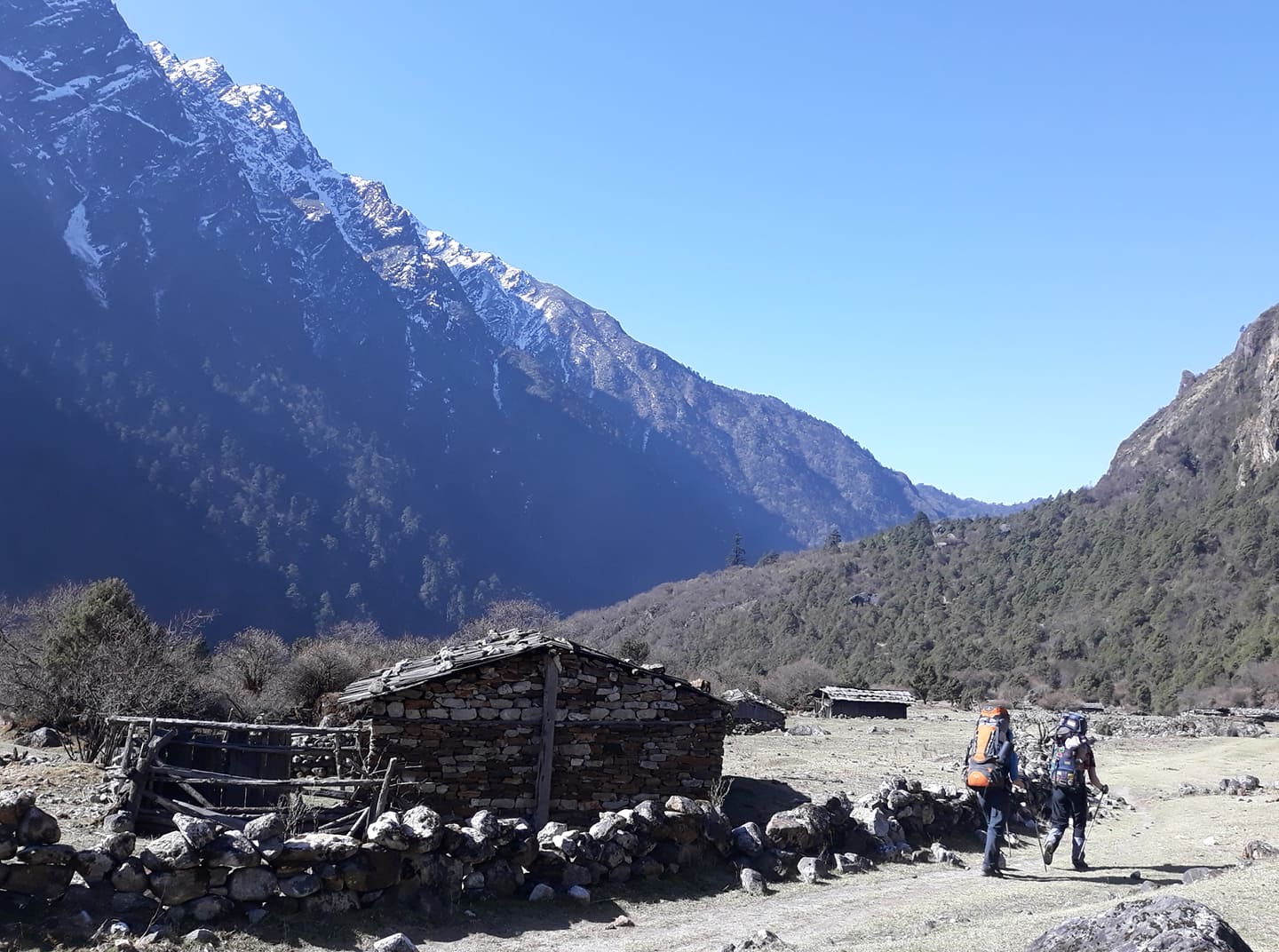
  • Lush lower valleys and terraced farmland
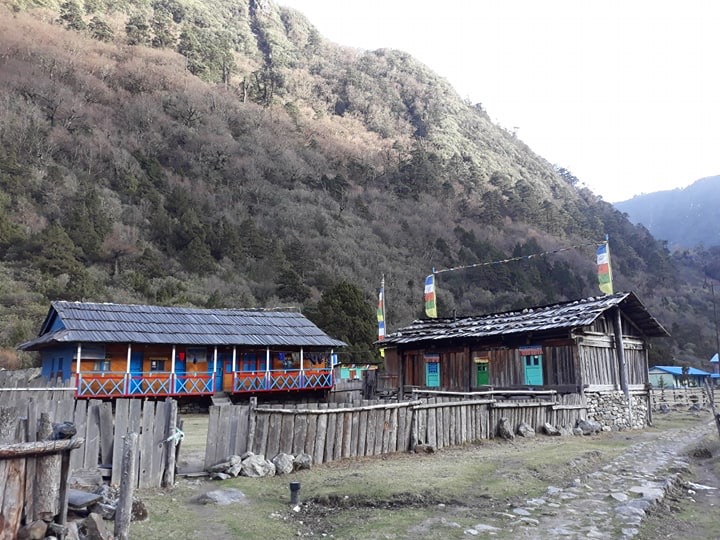
  • Remote mountain villages
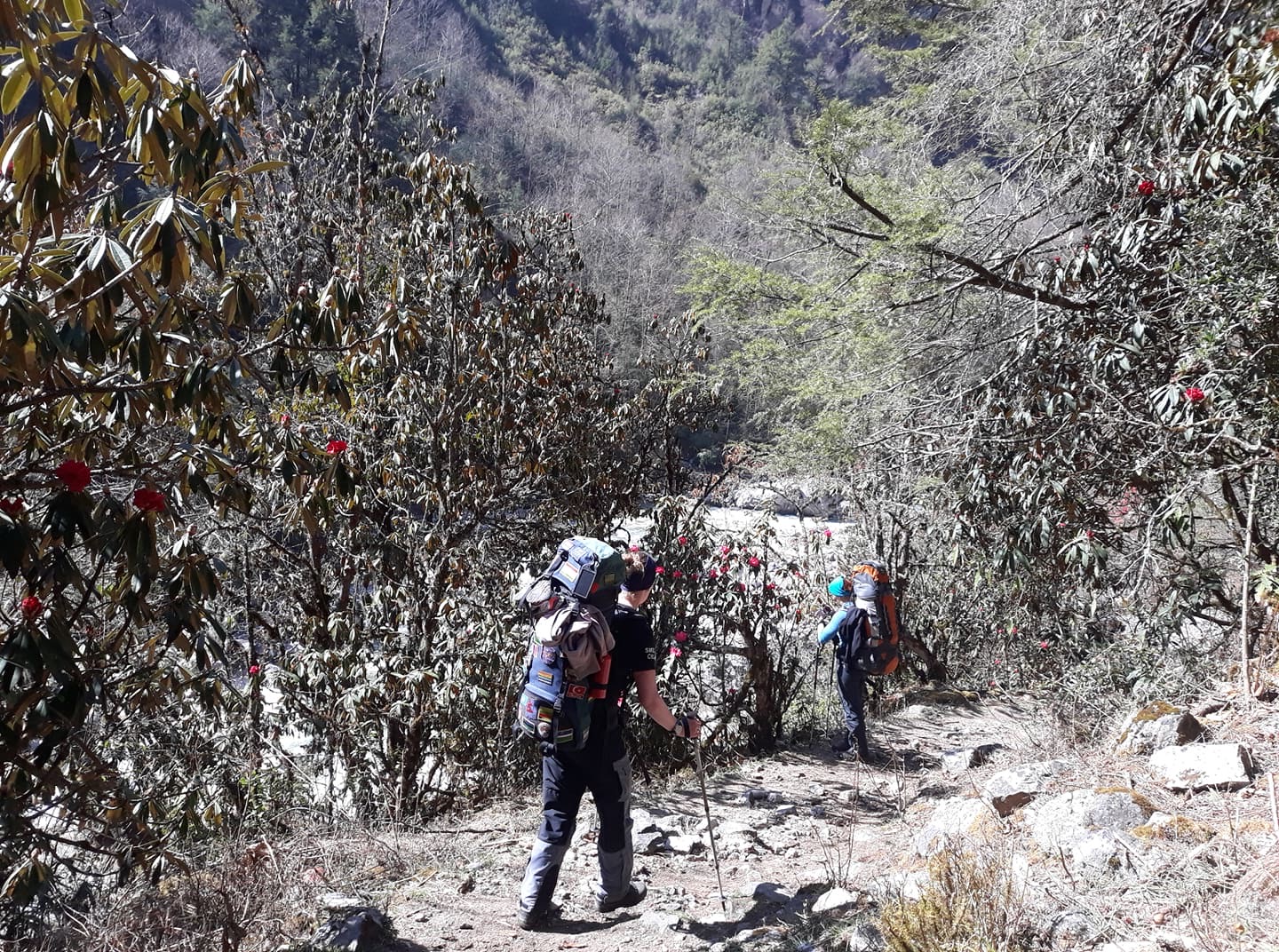
  • Dense forests of rhododendron and pine
  • High alpine terrain and glacial valleys
  • Close up views of Kanchenjunga, the world’s third highest mountain

Because far fewer people trek here compared to areas near Everest Base Camp, the sense of scale and isolation is something else.

Is this trek suitable for someone’s first time in Nepal?

In most cases, we’d recommend Kanchenjunga for people who’ve done some trekking before rather than first time visitors to Nepal.

The length, remoteness, and physical demands make it tougher than classic routes like Everest Base Camp or the Annapurna region.

If this is your first Himalayan trek, we’d usually suggest getting some experience on a shorter or more accessible route before taking on Kanchenjunga.

How remote is medical support on this trek?

Medical support in the Kanchenjunga region is limited because of how isolated it is.

There are no major medical facilities along the trail, and helicopter evacuations, while possible, depend on weather and where you are.

That’s why preparation, good acclimatization, and making careful decisions are so important. Our guides are experienced with altitude management and emergency procedures, but the real key to success is prevention through pacing, good communication, and being well prepared.

Reviews

Price
From
$3,300
/ person
Information

Country:

Nepal

Duration:

23 Days

Distance:

200 km – 220 km

Max. Altitude:

5,110 m / 16,765 ft

Difficulty:

Medium

Group Size:

12

Ready to go?

Does this information on our Kanchenjunga Trek excite you? Take the next step towards achieving your goals of reaching the base of one of the worlds most beautiful mountains? If so, get in touch today.


Similar Treks

The top of Mount Fuji
Mount Fuji 8-Day Trek
Overview Our unique itinerary to climb Japan's Highest Peak. Mount Fuji is Japan’s highest Peak at 12,389 feet (3,776m) high. I had always wanted to climb Mount Fuji...
View more
Manaslu trekking
Manaslu Trek
Overview One of the Best Treks in Nepal Trekking around Manaslu is a truly unique experience, giving you an opportunity to visit a relatively “untouched” region in Nepal...
View more
Ian Taylor Trekking on Carstensz
Carstensz Pyramid Climb
Overview Climb Carstensz on a NEW ROUTE and claim one of the coveted seven summits. Climbing Carstensz Pyramid has its climbing and regional challenges, but this adventure into...
View more