
Overview

Ireland’s highest peak

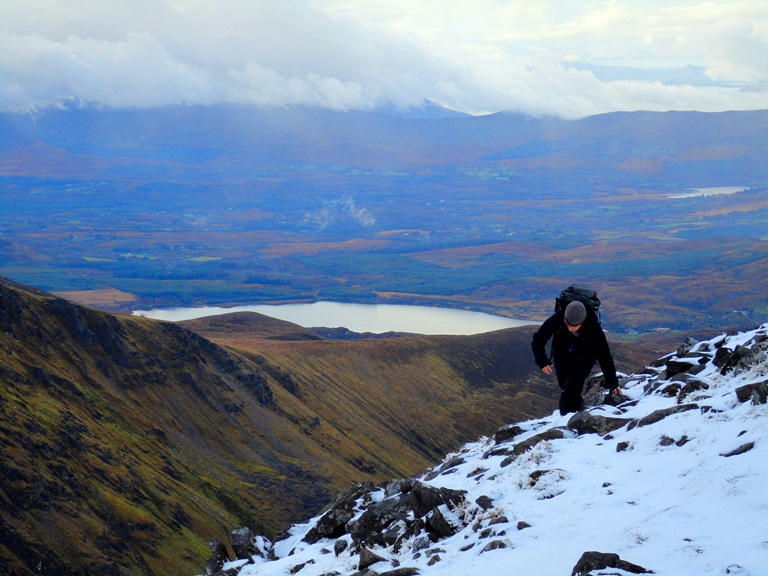
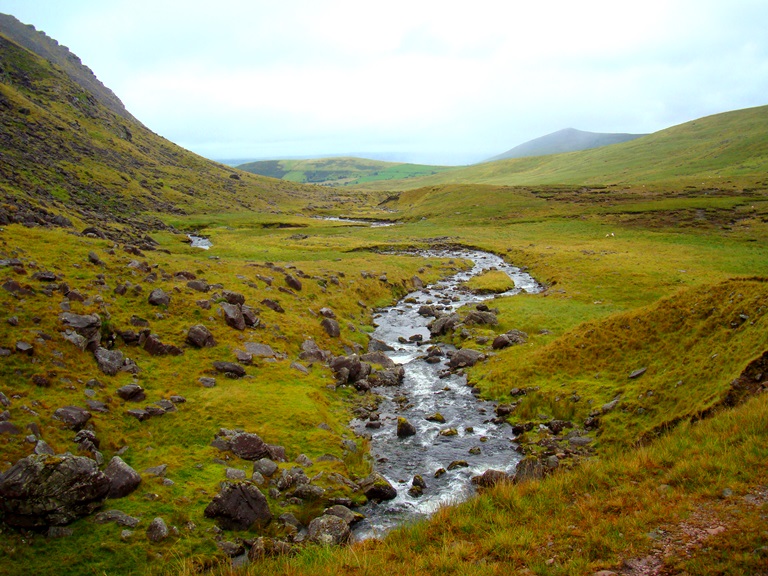
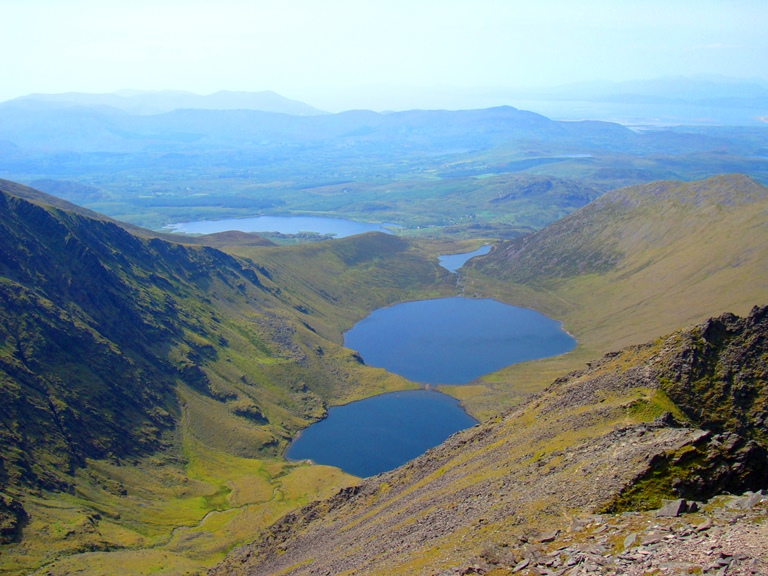
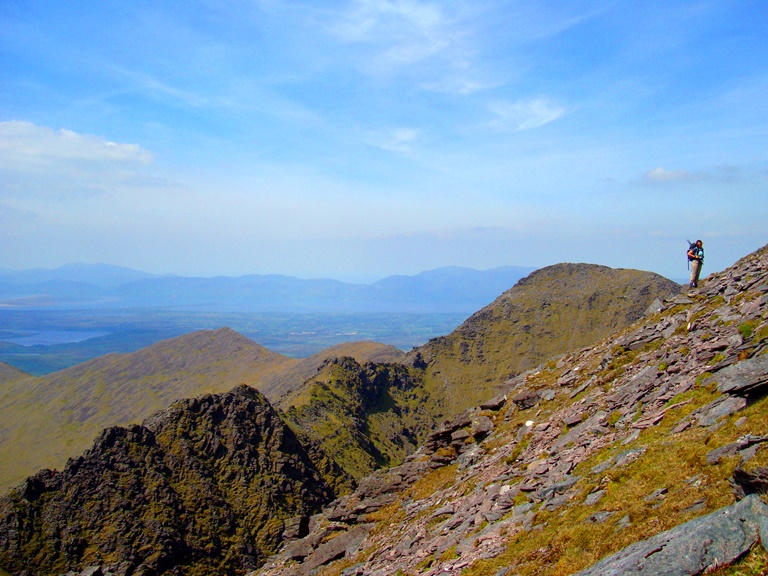
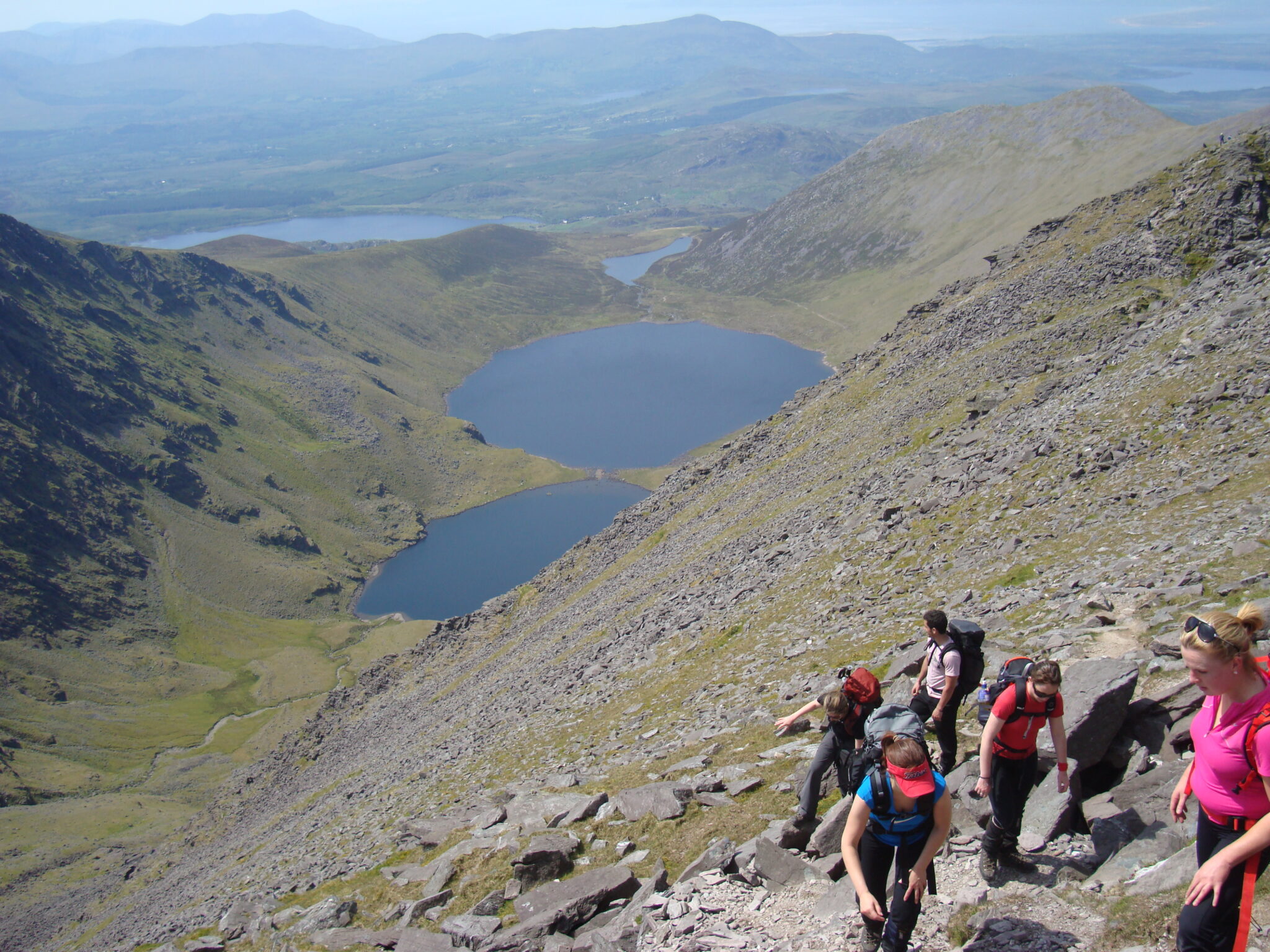
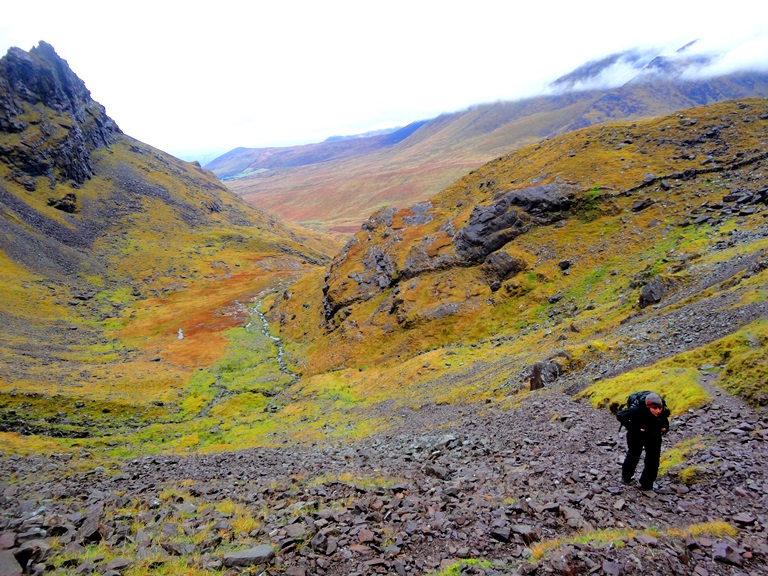
Carrauntoohill is Ireland’s highest peak, positioned in the middle of the ring of Kerry in south west Ireland. This playground of mountains has a challenge for all mountaineers. Standing at 1,039m/ 3,409 ft tall, it is the central peak of the beautiful Macgillycuddy Reeks Mountain Range. Carrauntoohill is a serious mountain and not to be under estimated.
Carrauntoohill’s steep terrain present a challenge to all hikers and climbers, with so many routes you will not be disappointed.

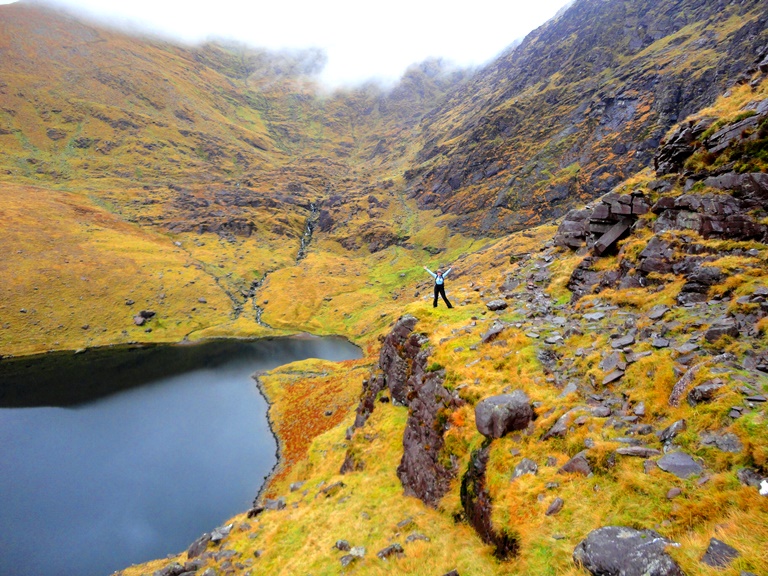
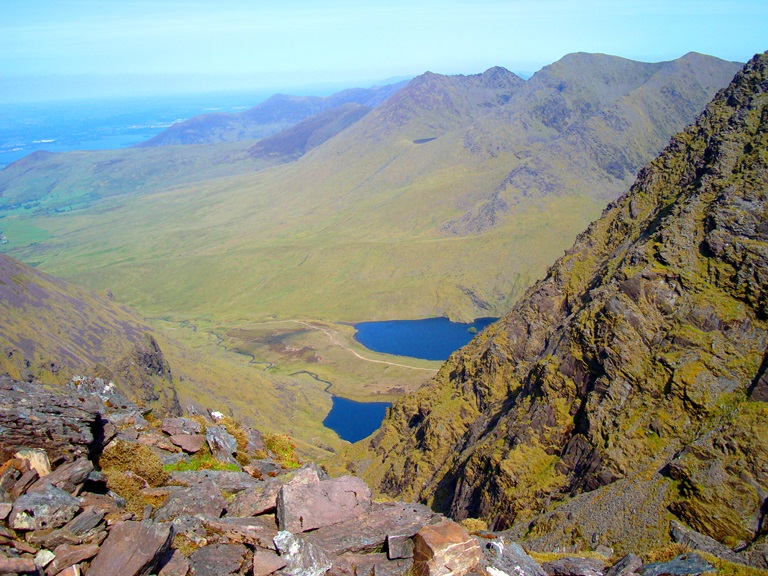
This inspiring peak has some of Ireland’s best scenery even on a bad weather day. We look forward to showing you all of what Ireland’s highest peak has to offer.
Upcoming Trips

No trips found.

Advice

Here’s a more conversational, human edit:

1. Pick a Route That Matches Your Experience

The routes up Carrauntoohill vary quite a bit. Devil’s Ladder is the most popular, but it’s steep and the ground can be loose. Some of the other routes need proper mountain experience and you’ll be dealing with exposed sections.

Be honest with yourself about what you can handle. The best route for you is one where you feel confident and safe, not necessarily the quickest one.

2. Plan for a Full Day Out

This isn’t a quick walk. Most people spend 6 to 8 hours on the mountain, depending on fitness and conditions.

Get an early start, don’t rush, and save energy for coming back down. A lot of accidents happen when people get tired later in the day. Taking it steady from the start really helps.

3. Watch Your Footing on Steep Ground

Parts of the climb, like Devil’s Ladder, can be loose and eroded. You’ll need to place your feet carefully and take your time.

Good hiking boots with solid grip are important. Keep some space between you and other walkers on steep bits, and resist the urge to hurry. Moving carefully beats moving fast.

4. Be Ready for Weather Changes

Weather in the MacGillycuddy’s Reeks can change fast. The summit is usually much colder and windier than down in the valley.

Even in summer, bring:

  • Waterproof jacket and trousers
  • A warm layer
  • Hat and gloves
  • Enough food and water

Getting this right just makes the whole day easier.

5. Know When to Turn Around

Standing at the summit cross is a great feeling, but making smart decisions matters more.

If the weather closes in, the wind picks up, or you’re running low on energy, heading back down is absolutely the right call. The mountain isn’t going anywhere

Training

1. Start With Building Your Endurance

You’ll want a good base of aerobic fitness before tackling Carrauntoohill.

Work up to walking comfortably for 3 to 4 hours. You don’t need to be running or doing anything intense. Just regular walks that get a bit longer each time work really well.

If you can finish a long walk feeling okay rather than completely wiped out, you’re on the right track.

2. Get Used to Hills

Carrauntoohill means a lot of uphill walking. Whether you take Devil’s Ladder or another route, you’ll be climbing steadily for quite a while.

Try to:

  • Get out on hills once a week
  • Use stairs or a treadmill on an incline if you don’t have hills nearby
  • Focus on keeping a steady pace rather than going fast

You want to be able to climb for an hour to 90 minutes without it feeling overwhelming.

3. Build Leg Strength for the Downhill

People often forget how tough the descent can be. Coming down steep ground on tired legs is where you really need strength and stability.

Add some basic strength work twice a week:

  • Squats
  • Lunges
  • Step-ups
  • Core exercises

Stronger legs help with balance and save your knees when you’re tired later in the day.

4. Get Comfortable on Rough Ground

Carrauntoohill isn’t a smooth path. You’ll be dealing with loose rocks and uneven surfaces that need some coordination.

Train outside when you can. Walk on different types of terrain. Wear your hiking boots and carry a light pack so your body gets used to it.

Don’t leave anything new for summit day. That simple rule prevents most problems.

5. Find Your Pace

The most common mistake is setting off too fast.

When you’re training, practice moving at a rhythm where you could still chat while going uphill. Keeping a sustainable pace means you’ll feel strong at the summit and still have energy left for getting back down safely.

It’s about staying in control, not pushing hard.

How Fit Do You Need to Be?

Before you head up Carrauntoohill, you should be comfortable with:

  • Walking 6 to 8 hours at a steady pace
  • Climbing for long stretches without needing to stop often
  • Handling uneven and sometimes steep ground

If that sounds like a lot right now, just build up gradually. Taking your time with training works much better than rushing it.

Why Us

We approach Carrauntoohill with the same care we bring to our other treks. It might not be the Alps, but Ireland’s highest mountain is steep, challenging, and conditions can change quickly.

Our guided climbs let you focus on enjoying the day while we handle the route, pacing, and safety. Everything unfolds at a steady, comfortable pace from start to finish.

If you’d like some experienced support for your climb, we’d be happy to help you plan it out.

FAQ

1. How difficult is Carrauntoohill?

It’s a proper mountain day rather than just a hike. You’ll be climbing steadily uphill, dealing with steep bits like Devil’s Ladder, and moving over uneven, rocky ground.

You don’t need to be super fit, but you should be comfortable hillwalking and spending 6 to 8 hours on your feet. A bit of preparation really does make the day much more enjoyable.

2. How long does it take to reach the summit?

Most people spend between 6 and 8 hours out there, depending on which route you take, your pace, and what the weather’s doing.

We plan for a steady day with breaks along the way. Trying to rush it doesn’t make things better. Taking your time means you’ll actually enjoy the climb up and down.

3. Is the Devil’s Ladder dangerous?

Devil’s Ladder is steep and the ground can be loose, especially after rain or when lots of people have been through. It’s not technical climbing, but you do need to watch your footing and take it carefully.

With decent boots, giving other walkers some space, and moving steadily, most prepared hikers handle it fine. If conditions are poor, you just need to be extra careful.

4. What’s the best time of year to climb Carrauntoohill?

Late spring through early autumn usually gives you the best conditions. You get longer days and the weather tends to be more settled.

That said, weather in the MacGillycuddy’s Reeks can be unpredictable any time of year. Winter climbs need more experience and preparation because of shorter days and harsher weather.

5. Do I need previous mountain experience?

Some hillwalking experience is really helpful. Carrauntoohill probably isn’t the best choice for your very first hike.

If you’re working up to it, try some smaller hills first and build your fitness. That’ll make the climb much more enjoyable and doable. With some preparation and the right approach, it’s definitely achievable.

Reviews

Price
From
$50
/ person
Information

Country:

Ireland

Duration:

0 Days

Distance:

0,0 km

Max. Altitude:

1,039 m/ 3,409 ft

Difficulty:

Medium

Group Size:

12

Ready to go?

Does this information excite you to take on our Carrauntoohill climb? If so, get in touch today.


Similar Treks

Touring Ireland
Overview Touring Ireland. Ireland is one of the world’s extraordinary destinations. Ian was born in Ireland and was the youngest Irishman to climb Mount Everest in 2008. He...
View more
Climb Croagh Patrick
Overview Just outside Westport, Co. Mayo, sits Croagh Patrick at 765m (2,507ft). Famed for being the spot where St. Patrick banished all the snakes from Ireland and fasted...
View more
Hiking in Glendalough
Overview The mystical Glendalough valley is tucked right in the middle of the Wicklow mountains, just south of Dublin. It is renowned for being a Monastic settlement founded...
View more
Climb Lugnaquilla
Overview The highest peak in Leinster Lugnaguilla 925m (3,035 ft) The highest peak in Leinster, and Ireland’s 13th highest peak which is affectionately known as “Lug”. Ian has...
View more