What are the best months of year to trek Everest Base Camp? We have led thousands of people on treks to Everest Base Camp over the last 17 years and have done so in all seasons. The information below is a culmination of what we have learned from doing this trip for over a decade. What time of year you should go to Everest Base Camp will depend on the experience you are looking to have. Check out our upcoming trips.
The Best Months for the Everest Trek
I have climbed to the top of Everest, and also led 40+ treks to Everest Base Camp. Personally, I prefer to trek to Everest in late February, March, late April, late September, October, November and December. Go to our Everest Base Camp Trek page or Sleeping at EBC trek page.
Acclimatization is Everything
The Everest region has it all; sheer beauty, dramatic massive mountains, amazing people, challenging trails and gives you an experience that will stay with you forever. The exciting expansive views will leave you mesmerized. Standing or sleeping at the base camp of the world’s highest mountain requires excellent acclimatization.
If you want to enjoy trekking up to the famous and classic view of Mount Everest from Kala Patthar 5,645m/ 18,520 feet You need more time lower down the trail. If you really want to enjoy going to Everest Base Camp you need 3 nights in Namche Bazaar on the way up and Our itinerary has this built in.
Two Main Trekking Seasons
There are two distinct trekking seasons in the Himalayas; pre-monsoon (February, March, April and May) and post monsoon (late September, October, November and December).
It is possible to make the journey in January and early September. We prefer the above for our treks into Everest base camp. My personal favorites are March, late October and November and December.
You can trek to Everest Base Camp in January and February. It can be cold higher up (-20C/-4F to – 30C/-22F). Snow can fall at anytime of the year in the region. It is more likely during this time and the summer months.
If you are planning on trekking to Everest Base Camp in these months, you are definitely going to need more time for weather delays. Weather conditions can be more challenging in the summer and winter months. Read some REVIEWS.
When are Climbers in Base Camp
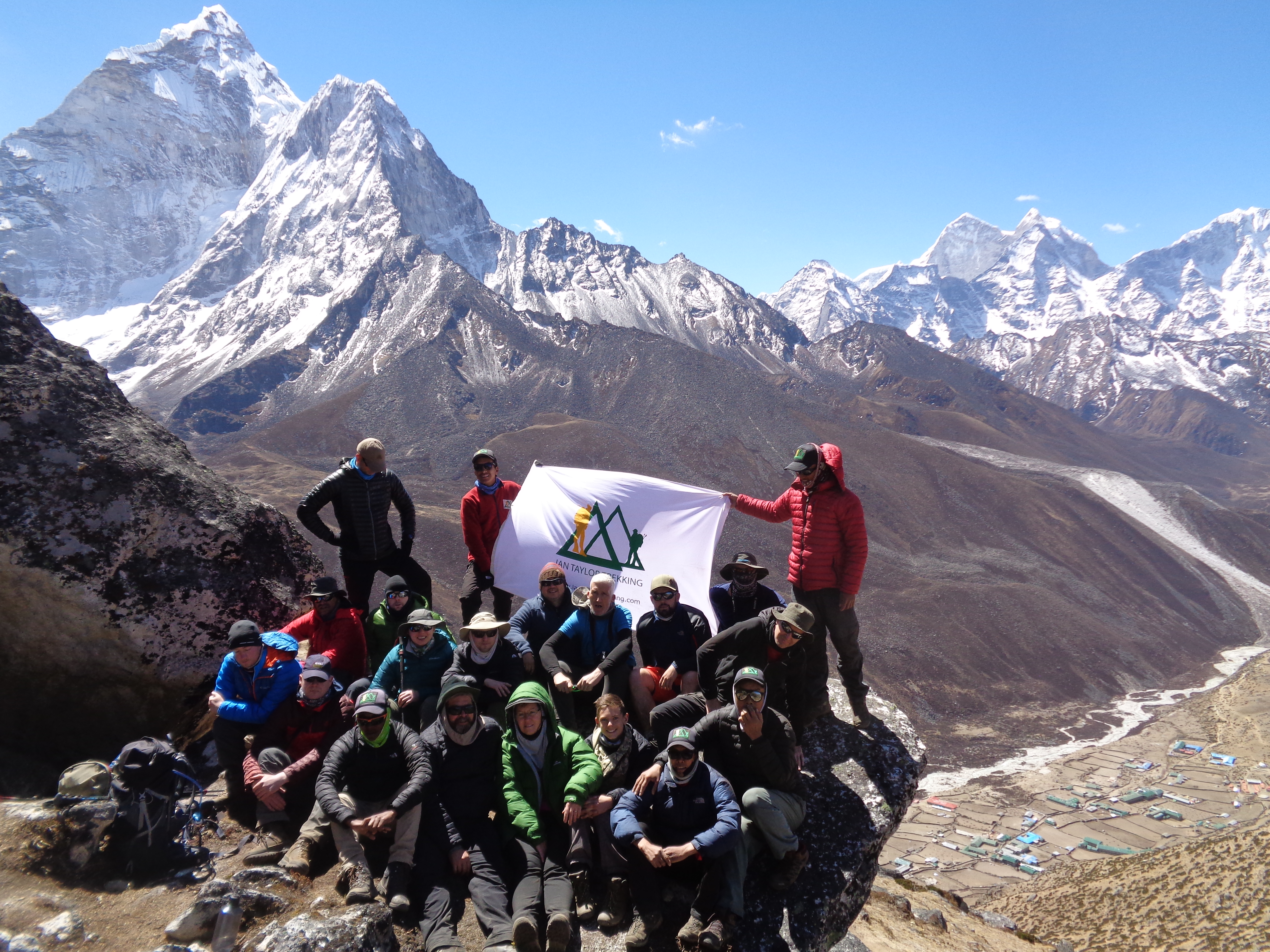
When planning your trek into the Everest region you need to consider the months listed above and you will also need to consider the function of our trip. Do you want to be there when Base Camp is bustling with climbers, aiming for the summit? Do you want to trek to Mount Everest when there are less people?
Do you want to have clearer skies for good photography? You need to consider this in your planning. We can help you work your way through these decisions. Check out our upcoming trips. Feel free to contact us today.
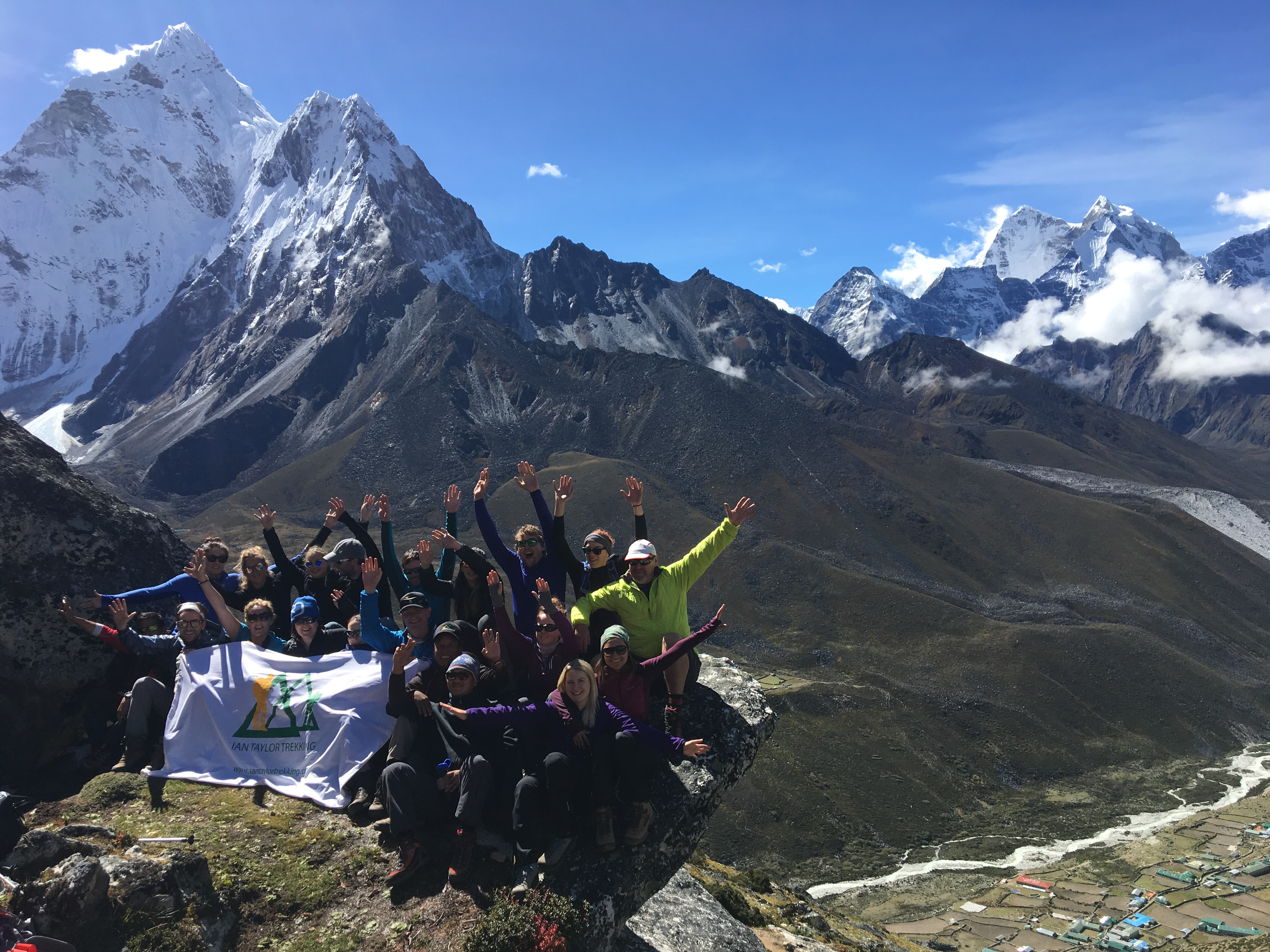
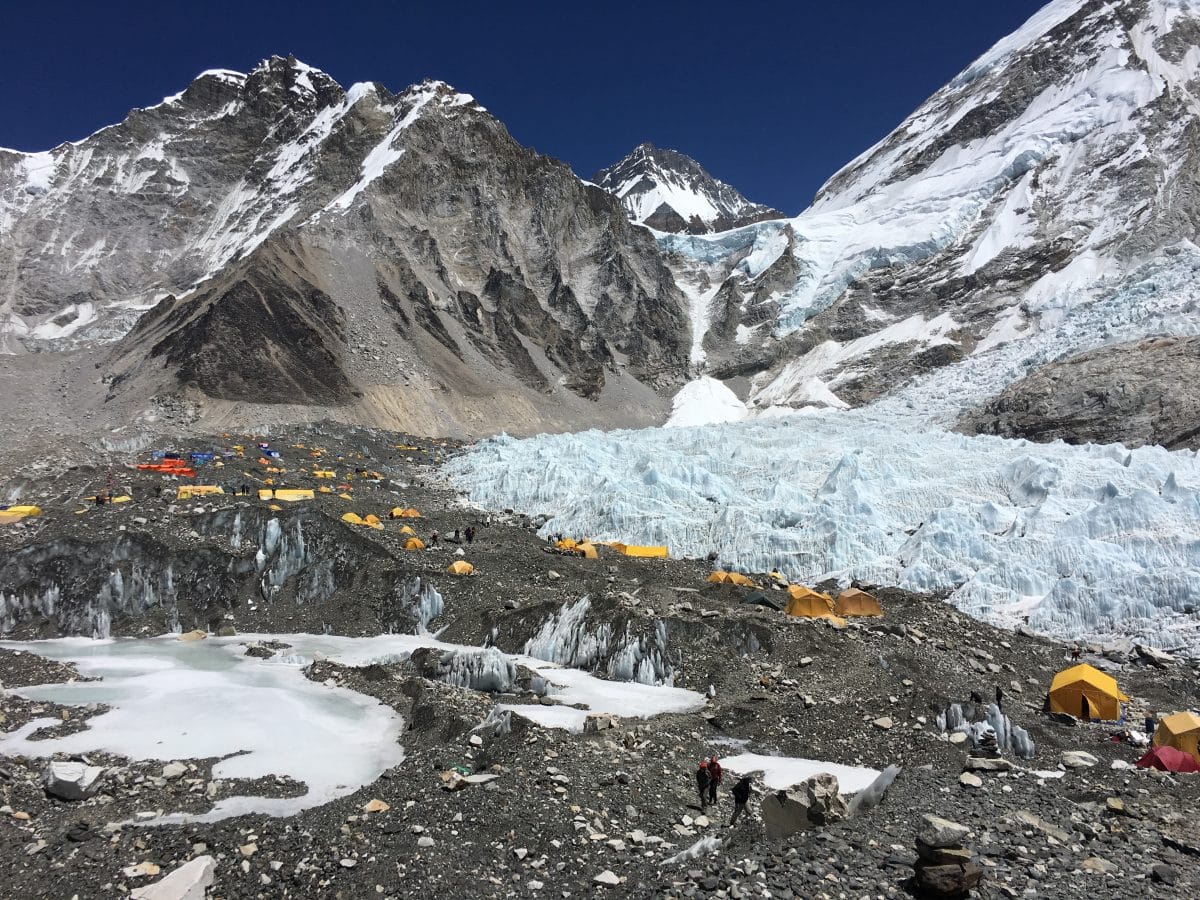
The main climbing season on Mount Everest is April and May each year. This means that if you want to see Everest Base Camp with all the tents and action, then one of the trips going during the months of March, April or May would be best for you! However, if you are looking to be in Base Camp when it is quiet.
You can experience the beauty of the area with out the hustle and bustle of people and tents, then going in the Post-Monsoon season of September – December might be the better option for you.
Pre-Monsoon
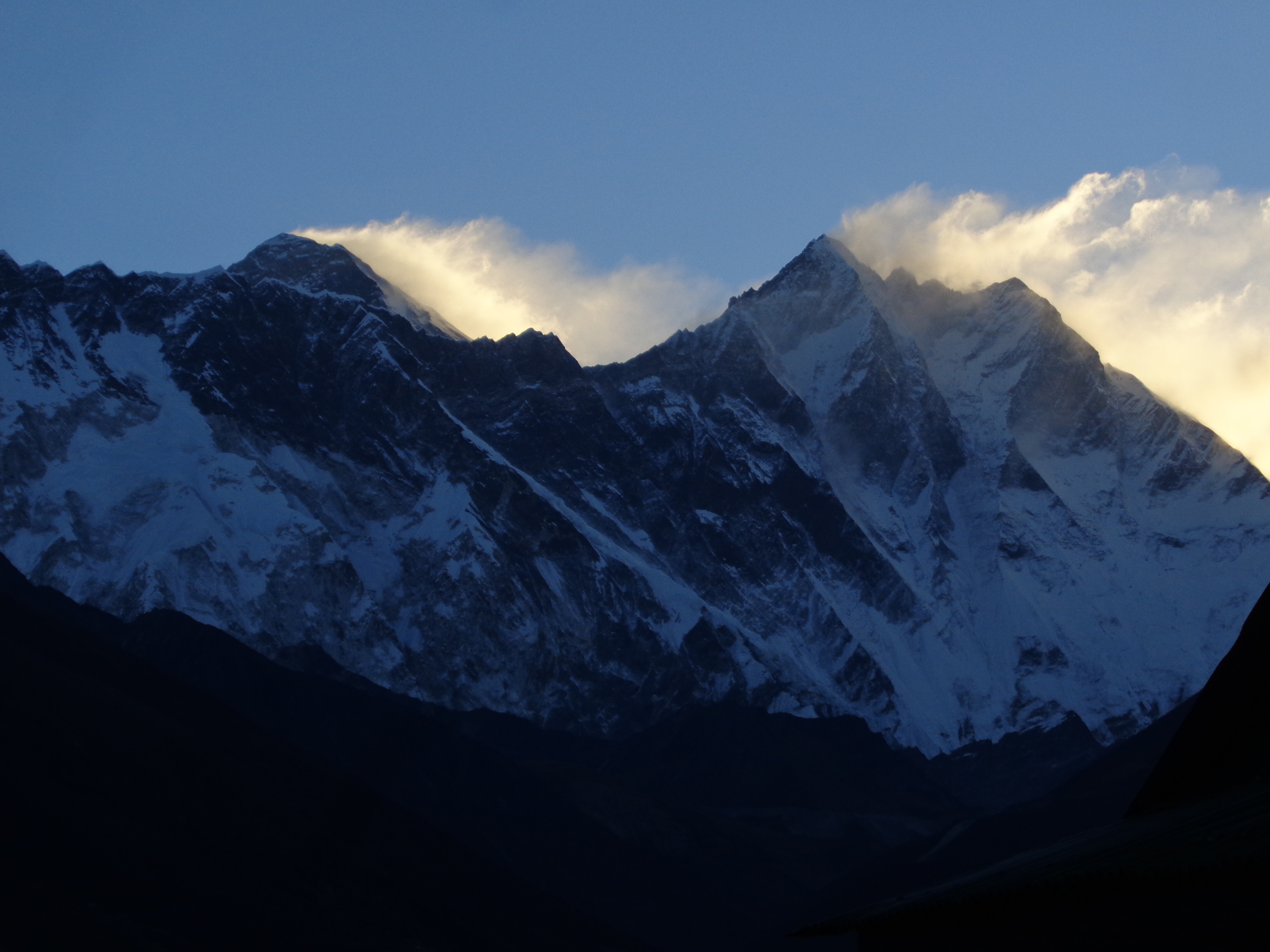
January and February are generally colder months to be in the region. However these can be some of our favorite times to be there! February and March generally have less people on the trail. Colder temperatures usually bring crisper and clearer views along the way, making it a great time to be in the Everest region as long as you are prepared with the correct gear for the cold. Check out our packing video.
April is one of the busier months to be in the region, but there is a reason for that! Generally, the weather is stable and the views are clear, with less heat haze, that can impede mountain viewing.
You will be contending with a lot of other trekkers and climbers in the region in April. Many choose this to be the month they will travel. The trails can also be busy with porters/animals that are maintaining the large number of climbers in Everest Base Camp. This is the time climbers are preparing for their summit attempts.
May is traditionally the warmest month to visit Everest Base Camp. However, sometimes the warmer temperatures can also bring in more clouds, and heat haze, which obstruct your views. During this time in Nepal, the monsoon is moving north from India, bringing warmer temperatures and potentially more cloud cover.
If you are worried about the colder temperatures in the region, then going during May could be the right choice for you. With this said, we can never guarantee the weather in the region and it can change from year to year. While we normally see warmer temperatures in May, we have also seen years where it has snowed on the trail and been quite cold along the way!
Post-Monsoon
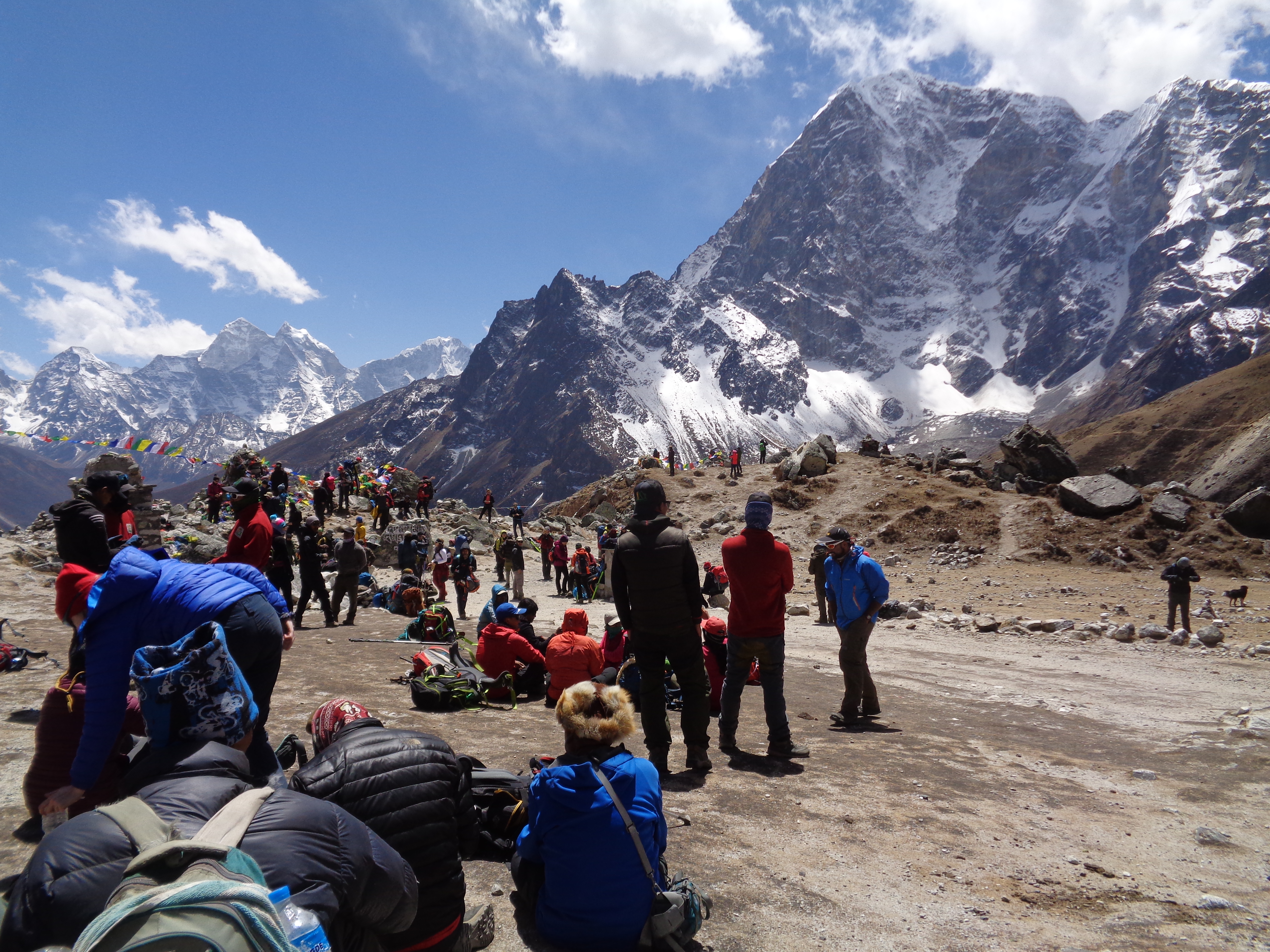
Traditionally, you will find late September, October, November and December will provide better views of the mountains, less heat haze, less cloud cover and overall more consistent and better views of the mountains. This is not always the case but the trend usually follows this pattern.
In September the monsoon can linger a bit, causing there to be more precipitation on the trail. If there are more cloud cover, it can cause more issues with getting in/out of the mountains as well, so having some extra time built into your schedule for these possible delays are important. The temperatures are generally warmer in September and the lush and green landscapes can be quite spectacular in the lower parts of the trail.
Once you move into October, you are going to see one of the busiest months on the trail. The reason it is busier is because this months generally brings clear skies and the temperatures have not yet dropped, making it quite comfortable to trek at this time.
Another one of our favorite times to be in the region is in November, where the crowds start to dissipate and the temperatures are a bit colder, bringing the crisper and clearer views. This weather pattern will go into December as well, however the temperatures can definitely get colder as you head towards the end of the year. Trekking late November into early December is my favorite time to make this journey.

Monsoon Season
Trekking during the monsoon season of June, July and August can be quite challenging in the Himalayas. The biggest challenge is going to be getting in or out of the mountains. There may not be flights in or out of Lukla for days on end.
You could experience torrential rains lower on the trail, making it difficult and challenging terrain to trek in. If possible, we suggest avoiding this time of year as mountain views most likely will be impeded, there is more risk of land-slide and an overall more challenging time to be in the Everest region.
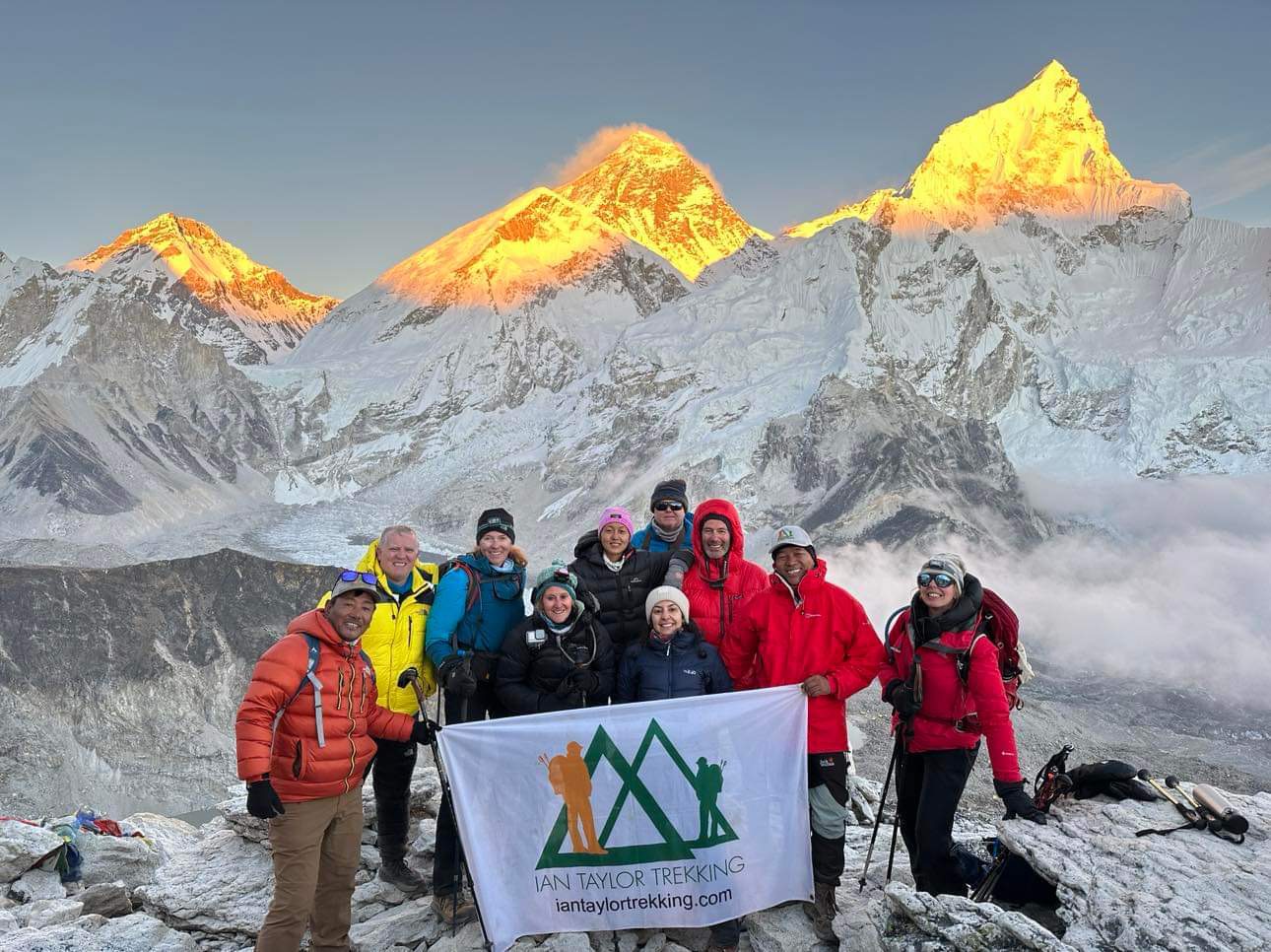
Join Our Award Winning Team
We hope this information on what is the best time of year to trek Everest Base Camp was useful. If you are interested in trekking to Everest Base Camp. Give us a call today. We are happy to answer any questions you may have. We have a full time office in Kathmandu and our team won the International Tourism Award in 2019.
Join the Experts
For more information about training, preparation and making a safe and enjoyable journey to Everest Base Camp feel free to CALL US or keep reading our blogs which have years of experience built into the content.
CLICK HERE for upcoming treks
CLICK HERE and watch our packing video
