60% reach the top of Kilimanjaro. Shocked, most people are stunned when they hear this. From my personal experience climbing Kilimanjaro 40+ times I have learned a lot about why people are not making the summit. Check out our unique itinerary. I remember my first climb up Kilimanjaro. I was physically very fit but lacked a range of knowledge about low oxygen environments and how my body reacts to the lack of oxygen.
Reaching the Top of Kilimanjaro
15 years of experience tells me to pick a minimum of 8 days on the mountain and Kosovo Camp as High Camp. On my first climb I was signed up to a six day trek. I had no idea it would be big mistake. On day three I was feeling very fatigued coming up to the Lava Tower at 4,640m/ 15,223 feet.
I struggled to arrive into Barranco camp at 3,900m/ 12,795 feet. I was vomiting and fell into my tent tired and dehydrated. Altitude sickness was kicking in and I felt there was no way I could make the summit. One reason less than 60% of people make the summit of Kilimanjaro is they pick the wrong itinerary. Pick the right itinerary and acclimatization.
Acclimatization is Everything
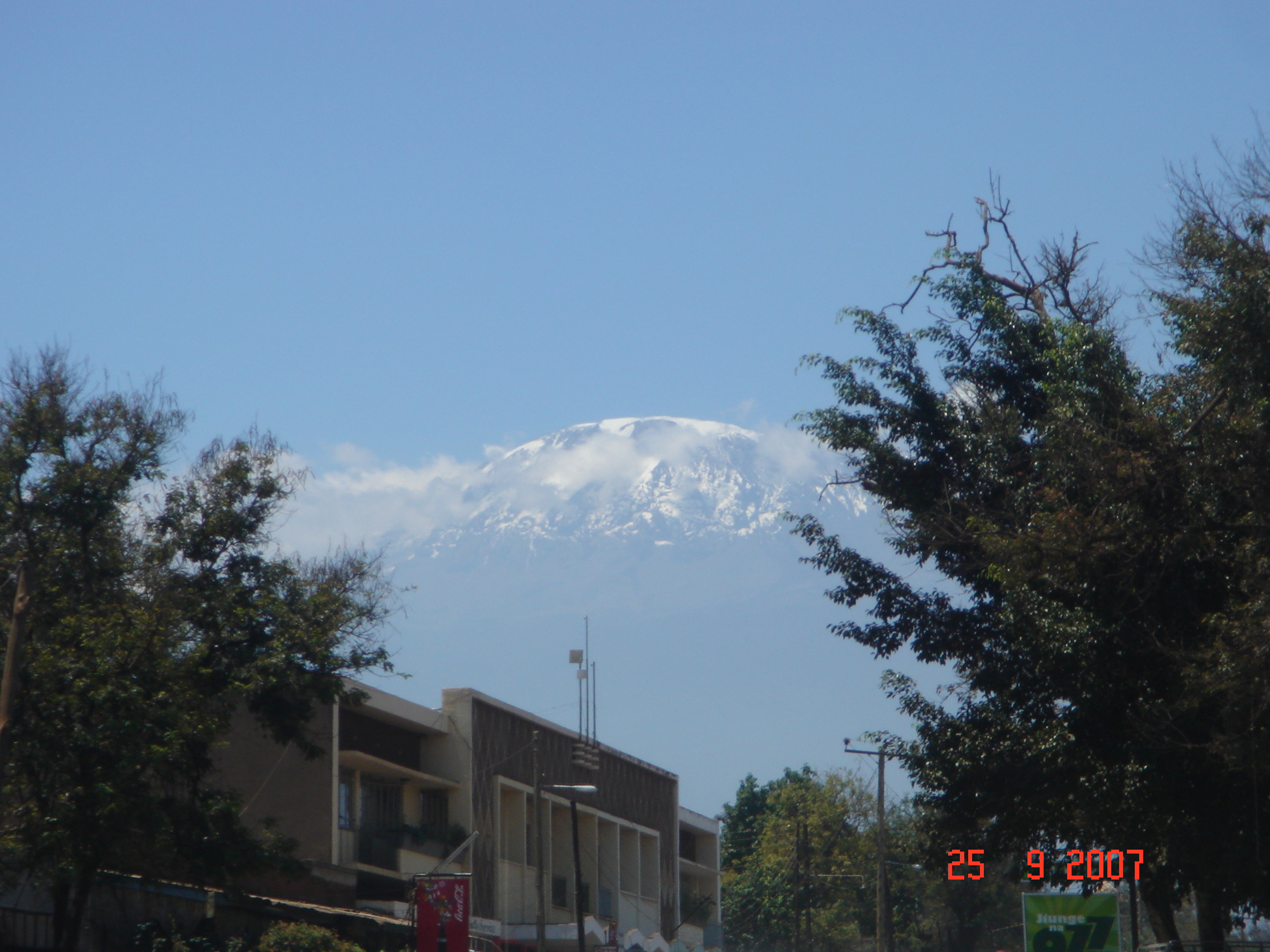
The more and more I climb Kilimanjaro I am not shocked only 60% Reach the Top of Kilimanjaro. As I said I was very fit and couldn’t understand why we were all struggling so much. Well the main reason was I knew very little about how to pace myself at altitude, stay well hydrated and take time to acclimatize.
Trying to Sleep at Altitude
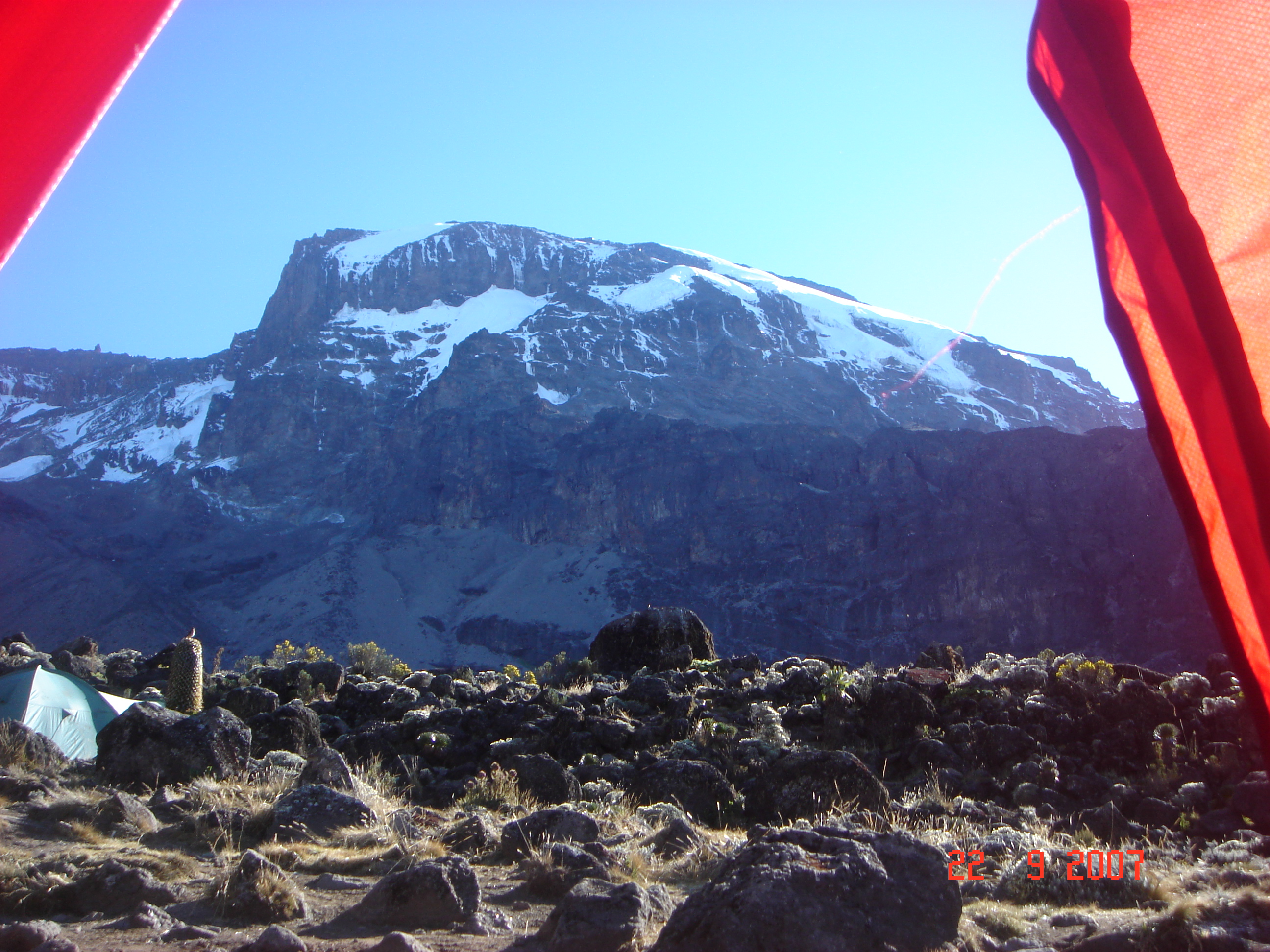
The next day I got up struggled all day and made it to Barafu 4,673m/ 15,331 feet. Barafu Camp was our high camp, where we would spend two nights. I remember the guides trying to get us to go for the summit that night. We had only spend 3 night sleeping (or lack of sleeping) on the mountain. I was continually shattered, didn’t want to be there and felt horrible. My experience was demoralizing as I had ambitions to climb Mount Everest. Well we learn from our mistakes and failures and they make us stronger and more discerning.
Going High on Kilimanjaro
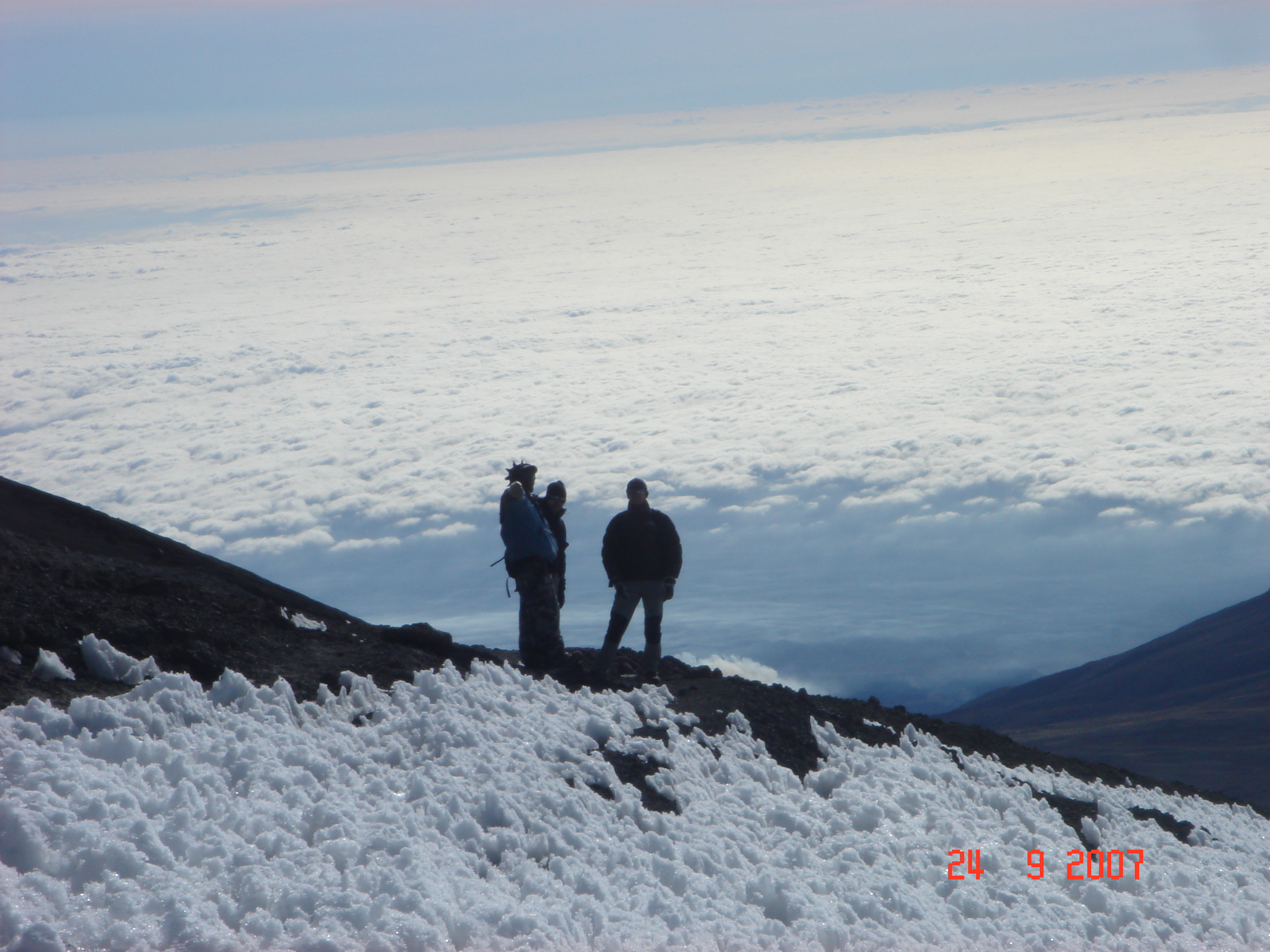
I was not sure I could make it and struggled my way to the summit and we had to go from 19,341 feet back to the gate at 5,500 feet that same day. Going up 4,000 feet and down 13,841 feet in one day is very demanding. Yes, we made it to the summit of Mount Kilimanjaro and back to the gate in one day. This was stupid, dangerous and the reason only 60% of people make the summit. You think Kilimanjaro is hard…. Yes it is, if you try 4, 5 or 6 day treks.
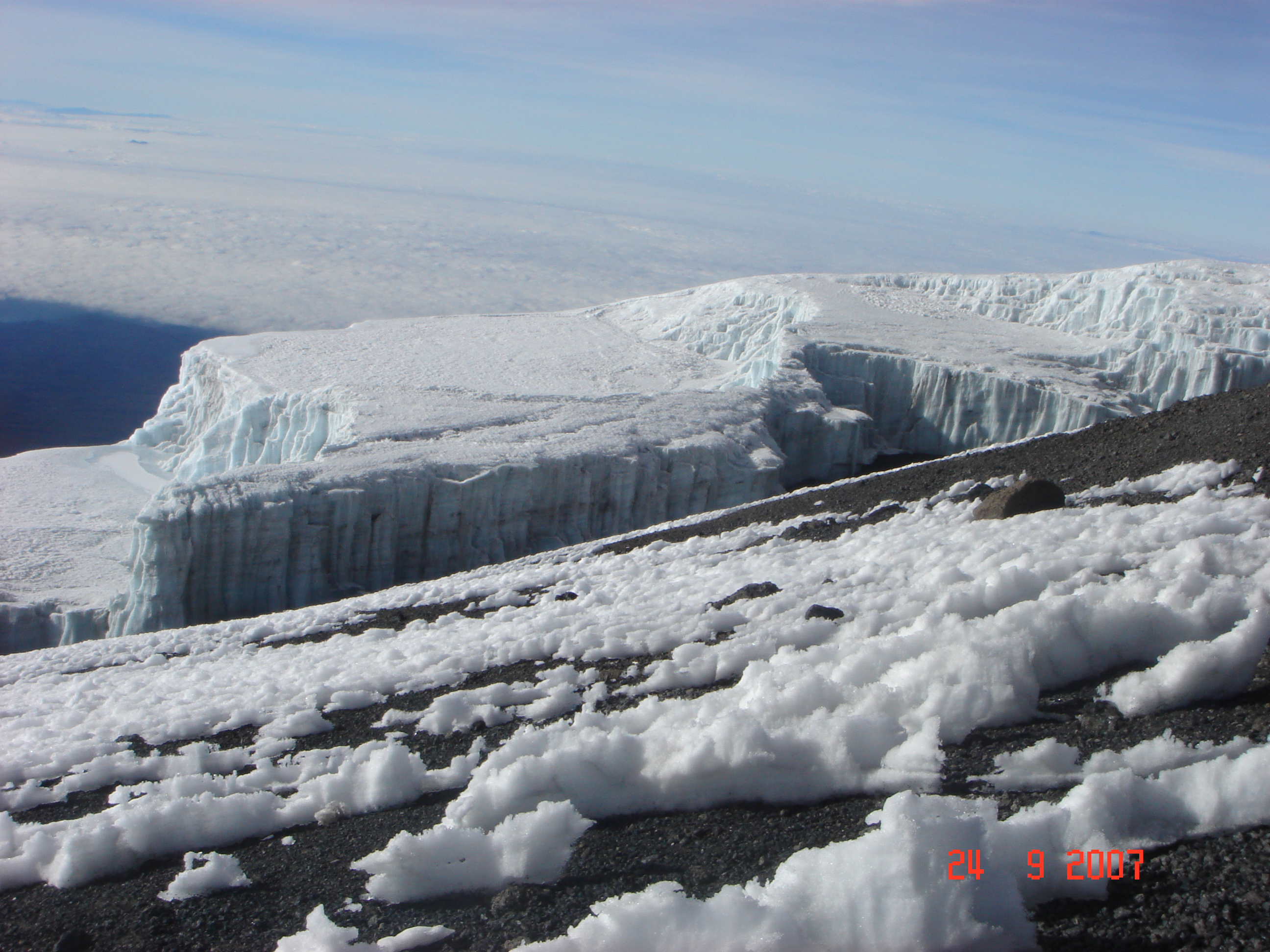
What I have Learned 40 Treks Later
After climbing Kilimanjaro now 40+ times you really need a minimum of 8 days on the mountain for a safe and successful ascent of the mountain. Firstly, the main reason people do not make the summit of Kilimanjaro is they are not spending enough time to acclimatize to the lack of oxygen. Secondly, once you cross the altitude of 18,000 feet you enter the lower realm of the death zone. This is nothing to worry about, if you have adequate acclimatization. Thirdly, this is where the body can not adjust to the lack of oxygen. Finally, I want to make sure our clients have all the best information available.
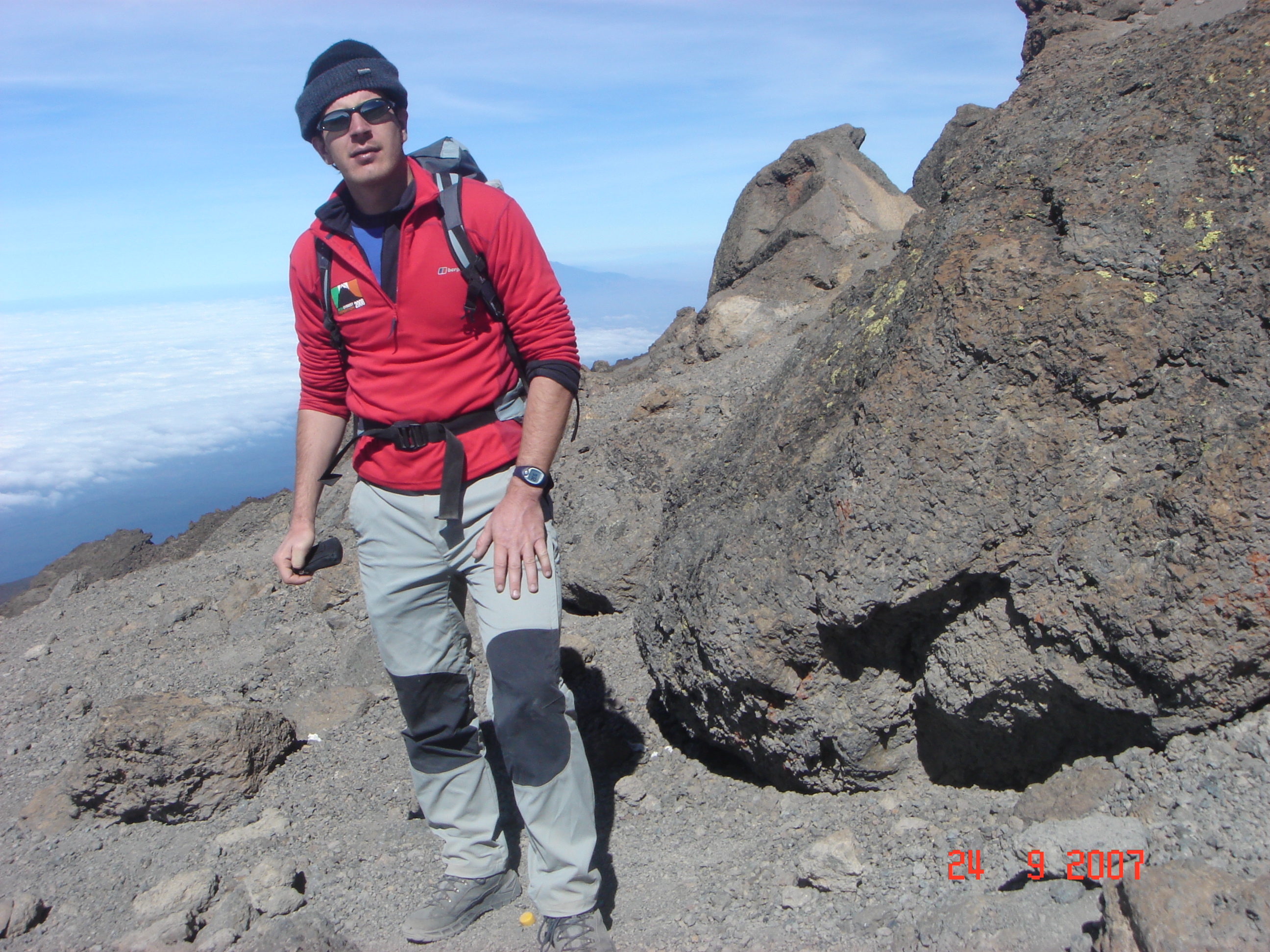
The Key to Success
Time spend acclimatizing to the lack of oxygen should be your number one Concern. Next, the key to success is excellent physical conditioning. I have climbed Kilimanjaro in 5,6,7 & 8 days. In my opinion the best decision you can make is to spend 8 days on the mountain. You want to climb Kilimanjaro, stand on the top, enjoy the experience and do it safely. This is the only way to approach this trip.
60% Reach the Top of Kilimanjaro
Ian Taylor Trekking have a 95% success rate on our 8 day Kilimanjaro tours and 85% success rate on our 7 day treks. We don’t run 5 or 6 day treks anymore. Climbing Kilimanjaro is a challenge, but why make it harder than it needs to be.
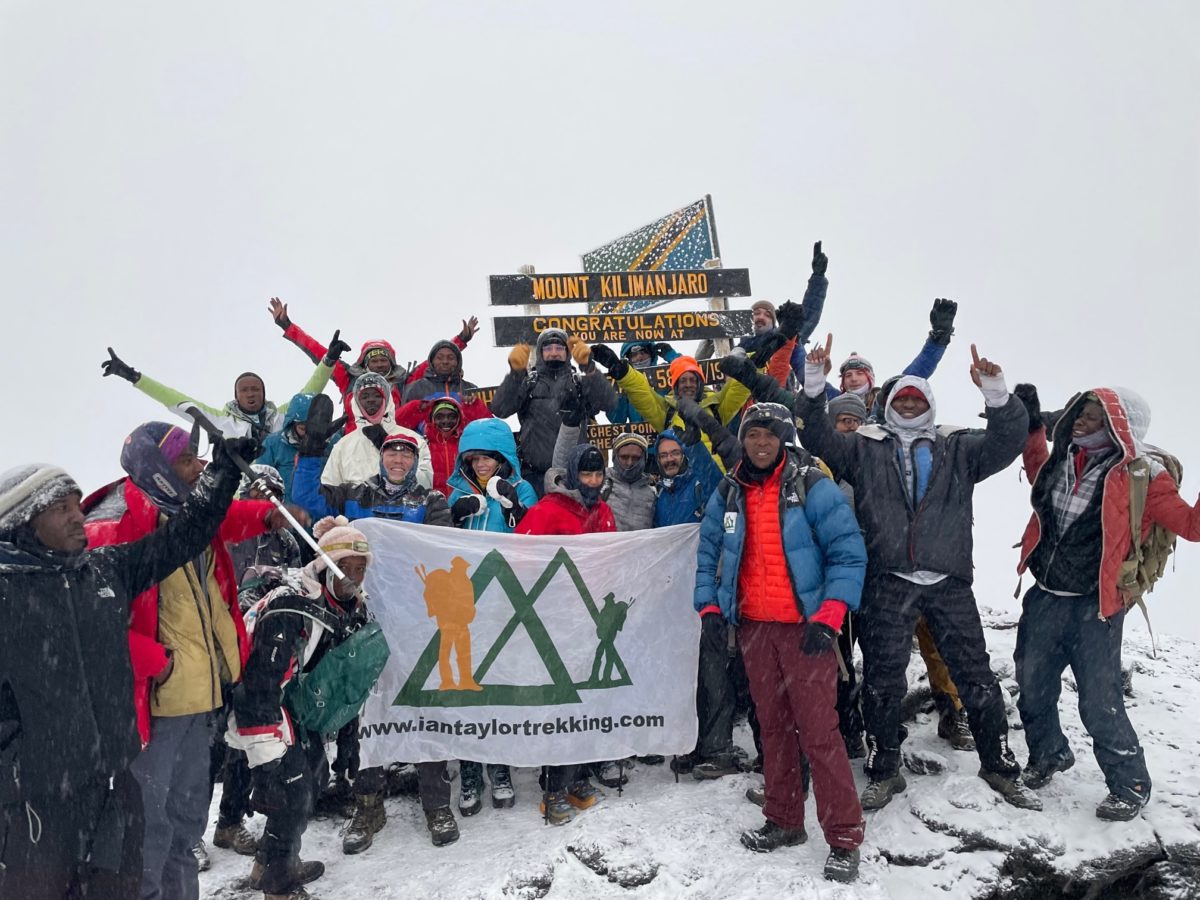
Kilimanjaro’s Number 1 Guide
Kilimanjaro’s Number 1 guide leads our team on the ground in Tanzania. We can help you come fully prepared with training advice, 35 page dossier and available 5 days a week to answer any question you may have. We want you to experience Mount Kilimanjaro in a real and special way. Contact us and we can help you make your adventure on Kilimanjaro be a safe and successful experience. Follow us on Facebook.
