
Home Hike the Grand Canyon Hike the Grand Canyon – Experience the Adventure of a Lifetime
Overview

Our Grand Canyon backpacking trips are out of this world.

We have tours from two days to one week. Our trips are perfect for those embarking on their first desert backpacking experience, or for the experienced hiker looking to be taken off of the beaten path.

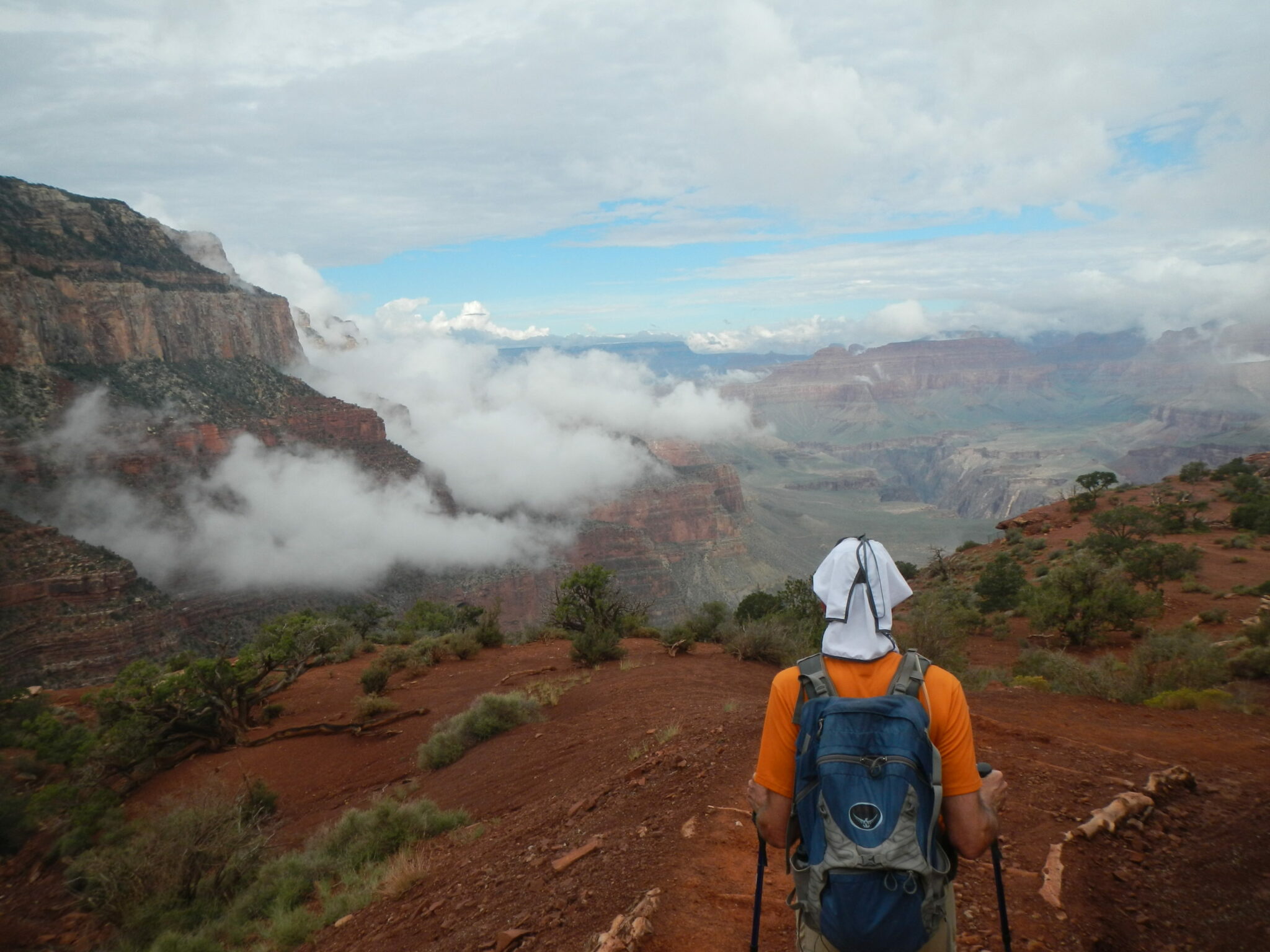
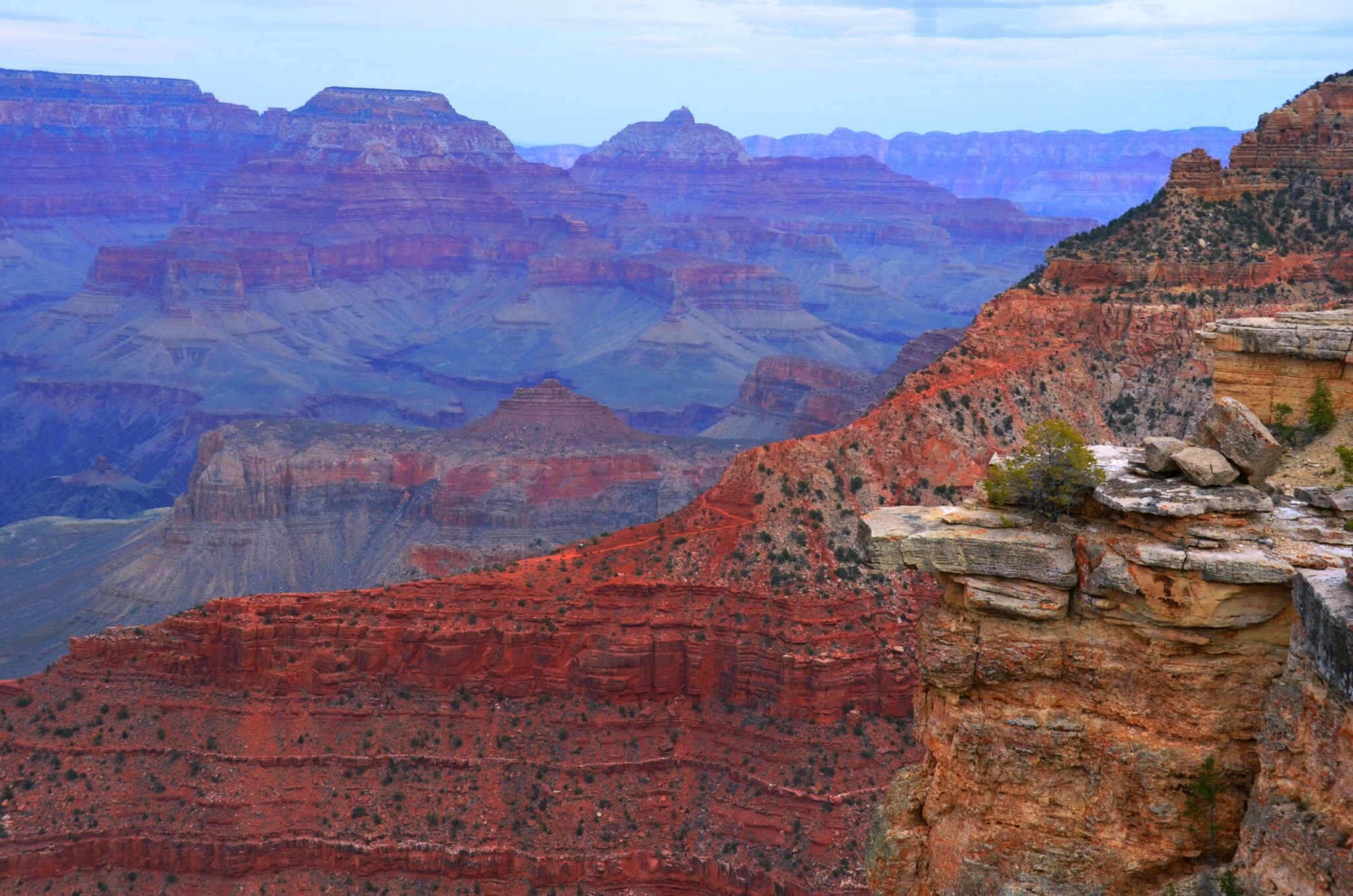
Our guided Grand Canyon backpacking trips will take you to remote oases filled with springs and pools, into adventurous parts of the canyon where few people go along with airy vistas with huge views across this wonder of the world you will not be disappointed.

Our guides are experts on the geology, history, flora, fauna and archaeology of the canyon, and they will provide interpretive information throughout your adventure into the Grand Canyon.
Upcoming Trips

No trips found.

Itinerary

1
Day

Day 1

Arriving in warm Las Vegas Nevada, you will spend the night in this city which is like no where else. You will have the evening to relax and walk the famous strip or relax after your flight.

2
Day

Day 2

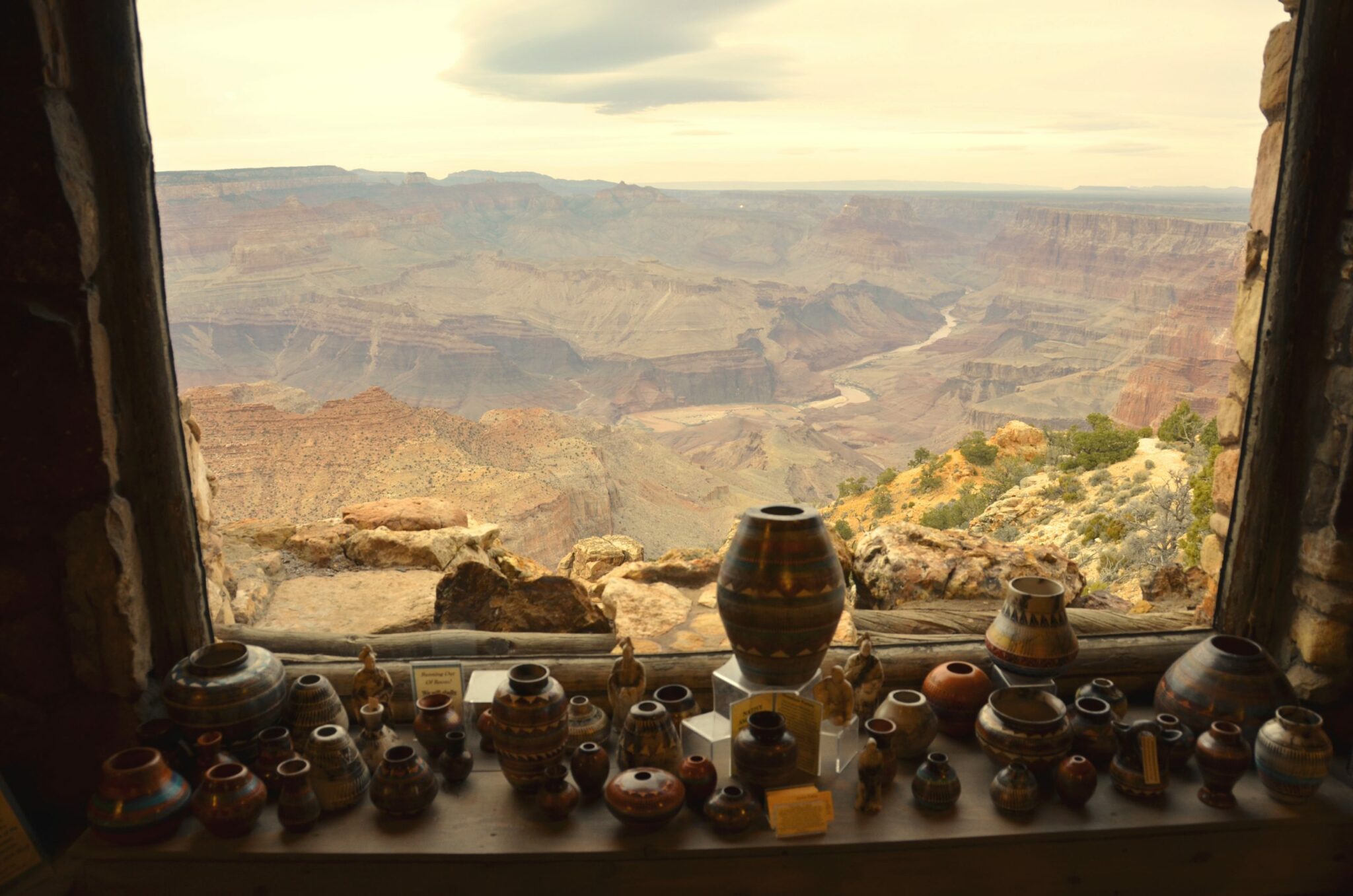
After breakfast, You will drive to Grand Canyon which takes about 4 hours. You will stay at the rim-top camp, or you can stay in a Tuscayan Hotel, that is dependent on your needs. There will be time to walk a section of the crater rim and enjoy the wonder of this magical place.

3
Day

Day 3

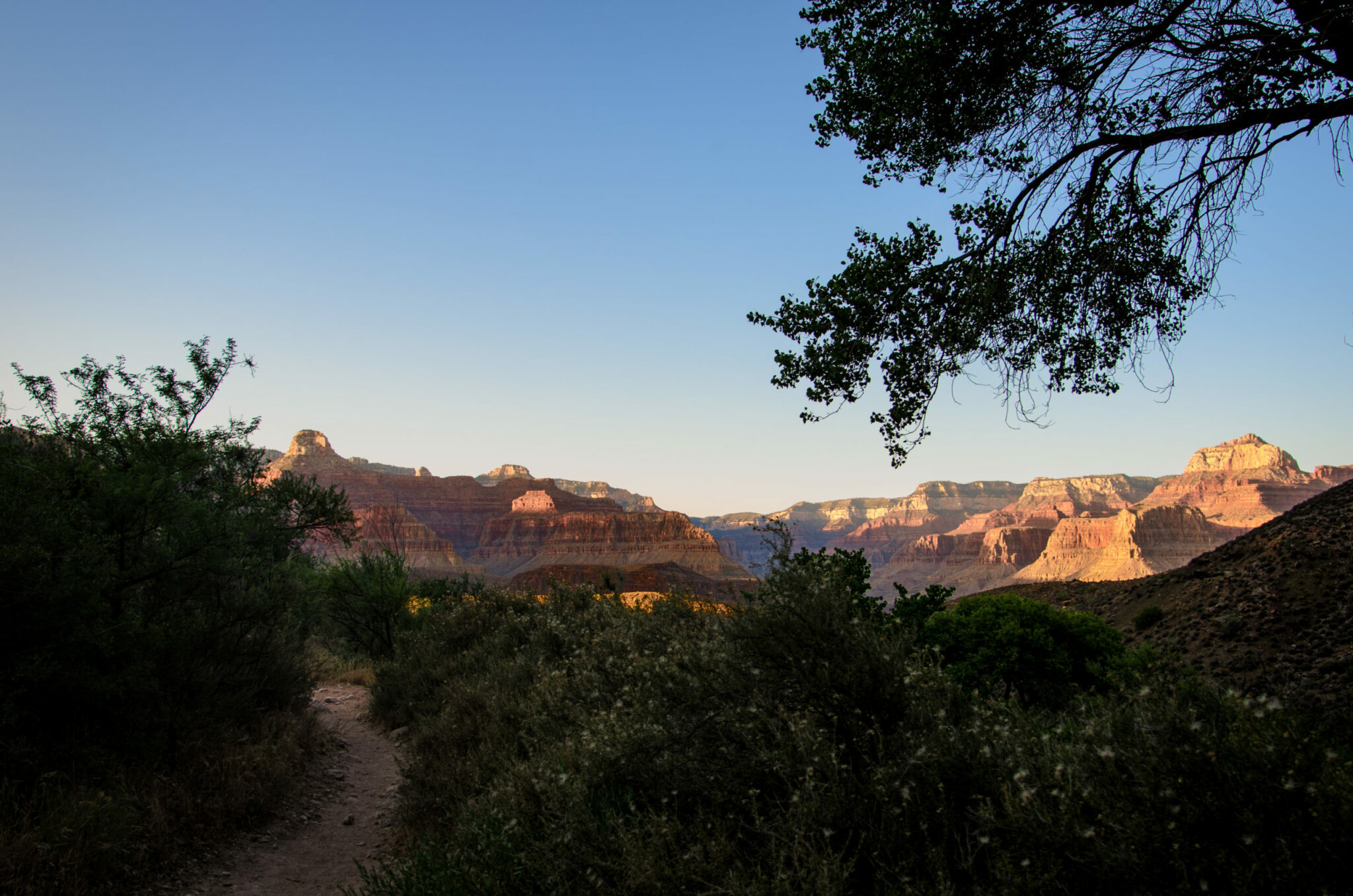
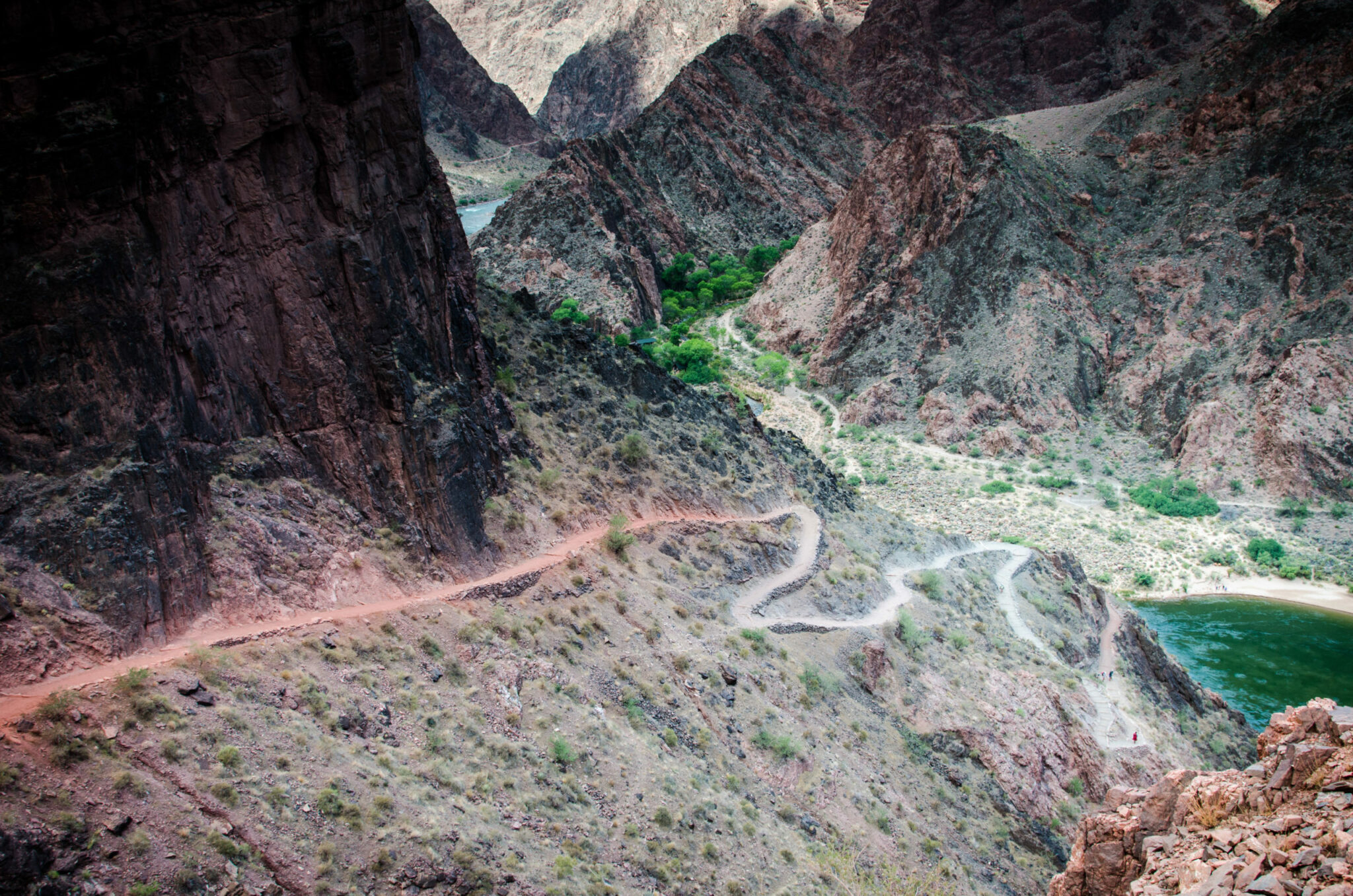
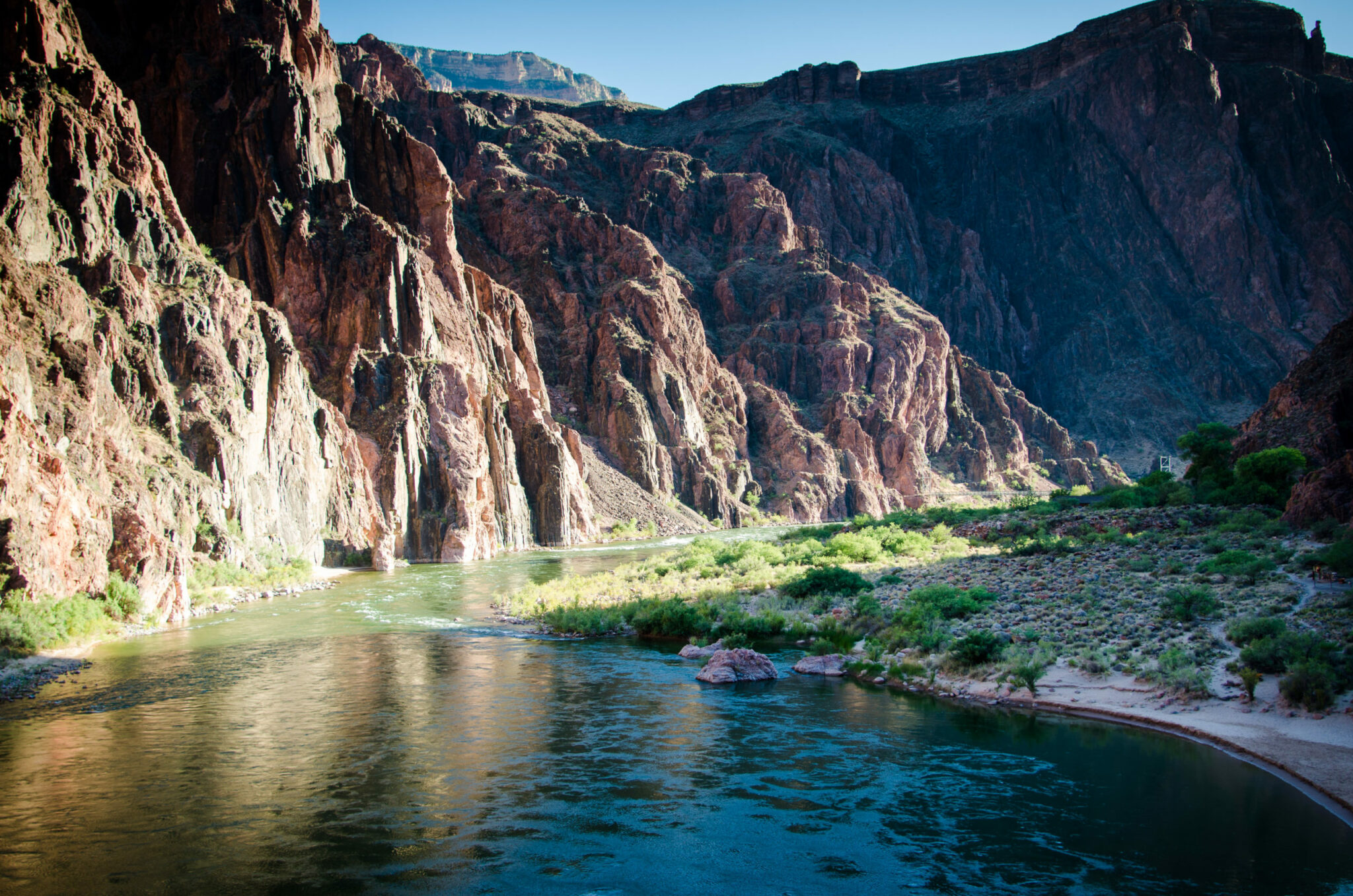
We drop into Grand Canyon via the S. Kaibab Trail, (6.7 miles/ 10.8km) and a full day of trekking to reach Bright Angel Camp and Phantom Ranch at the bottom of the Grand Canyon next to the Colorado River. This day takes us down a trail built in 1928 specifically for its views, by the National Park Service. We will drop about 4000 vertical feet/1,220m into the Grand Canyon.

4
Day

Day 4

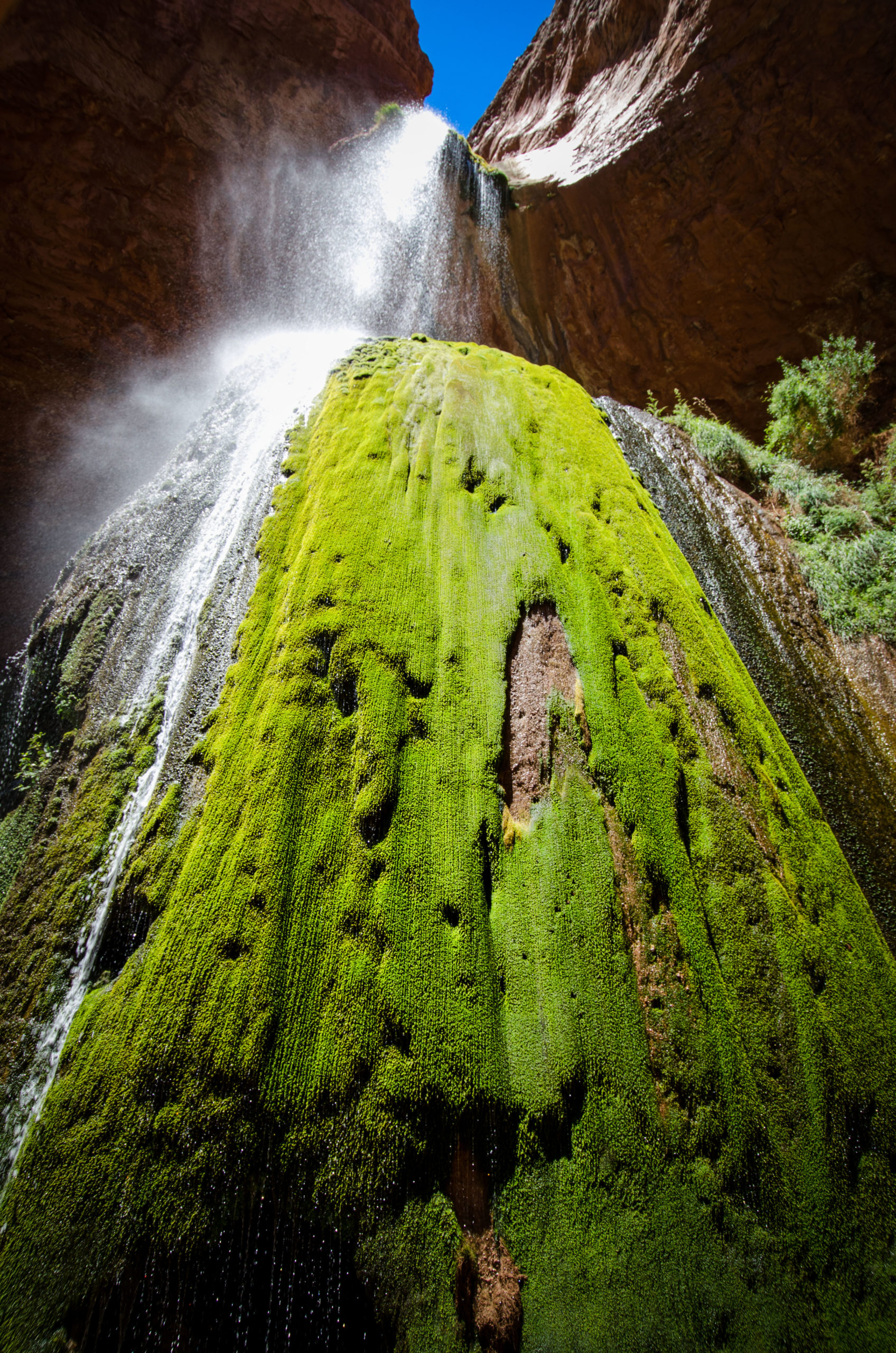
Wake up at Bright Angel Camp, and explore up the N. Kaibab Trail to see the “Box” and Phantom Canyon, a beautiful section of narrow canyons within the basement layer of geology deep within Grand Canyon. We may be able to make it to also see Ribbon Falls, depending on time and client abilities. Ribbon Falls are worth the extra effort.

5
Day

Day 5

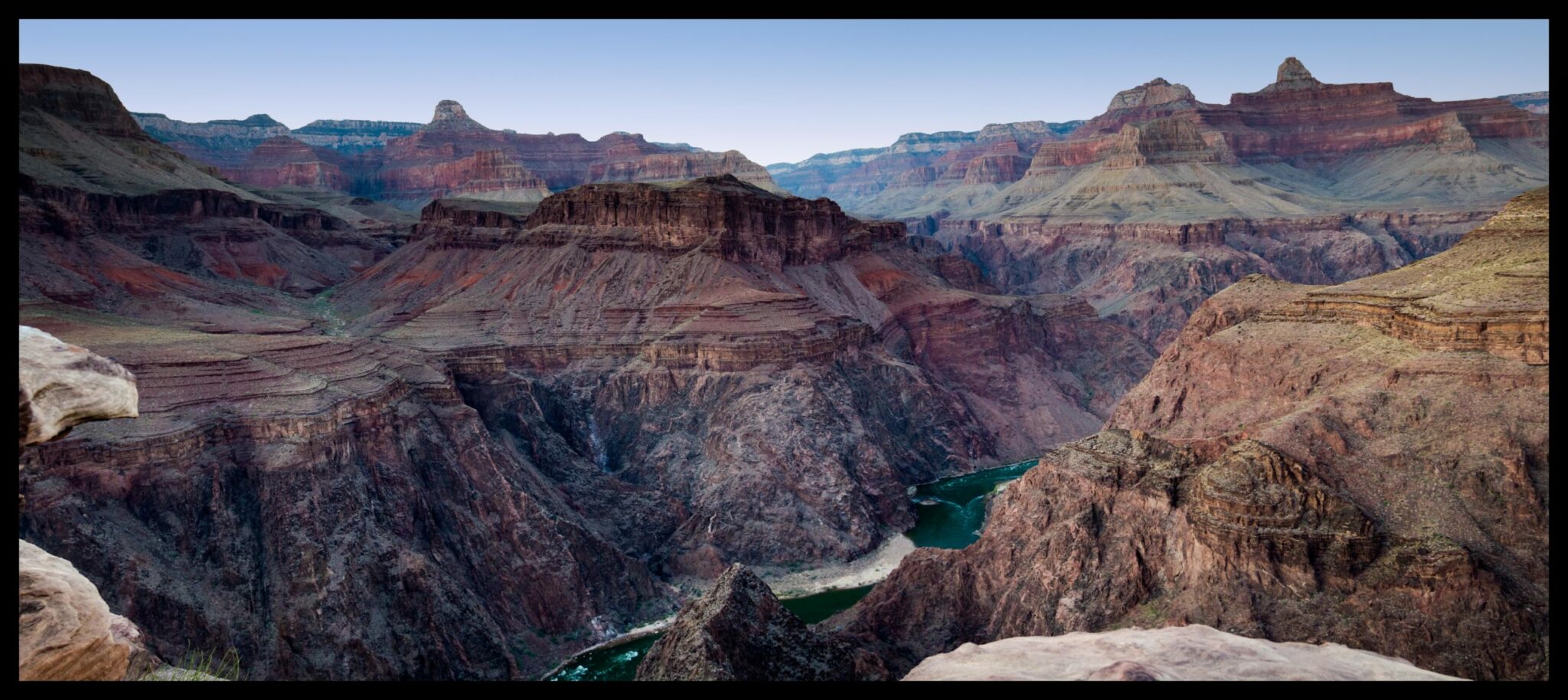
After your We hike 4.5miles/ 7.3km to base camp, half way up the South Rim of the Grand Canyon, about 610m/ 2,000 feet above our previous camp at Bright Angel. Upon reaching Indian Gardens, an area used for farming by Native Americans as late as the early 1900’s, we will eat lunch before taking an optional three mile hike to the famous Plateau Point, know for its huge vistas over the Colorado river that provide you with the ultimate in panoramic views.

6
Day

Day 6

We wake up at Indian Gardens and hike 2 miles into the water filled and vegetated Tapeats Narrows, where a 700 year old Native American Granary is hidden off trail, and as guides we are allowed to take you to this sacred area used for the storage of corn and food by the Natives over many past centuries. After exploring this archaeological site, we will cast off across the remote Tonto East trail, to go see the riparian and beautiful spring fed slot canyon of Pipe Creek. This hike will add another 5 miles to today’s trek, and provide a feeling of solitude while also giving you some of the best views the Grand Canyon has to offer, panoramic 360 degree beauty from the top of the Tonto Esplanade.

7
Day

Day 7

After your We start our summit push to the rim top. Over 4.5miles/7.3km of terrain and up over 915m/ 3,000 feet vertical elevation. Along the way we will show you the native American Pictographs that were drawn by tribes over 1000 years ago. This artwork is hard to find, but we will guide to to them. They are a remarkable thing to be able to see, the proof left of these people who lived here long ago. Most of the day will be used getting out of the Grand Canyon. Upon completion we will head to our rim top camp for a celebratory dinner with steak and hamburgers as well as all of the makings! A feast is in order to celebrate our successful trip!

8
Day

Day 8

You will transfer to a hotel in Vegas. On your way back you could go to the west rim viewing bridge as a nice site to see while heading back. Once in Vegas area opportunities for recreation become limitless and you can enjoy a night out on the town.

9
Day

Day 9

After your Grand Canyon and Vegas experience, you will transfer to the airport, and homeward bound.

Advice

At Ian Taylor Trekking, we’ve guided clients on some of the world’s most iconic treks, and the Grand Canyon is one we always love talking about. It may not have the altitude of Kilimanjaro or the remoteness of Everest Base Camp, but it has a way of catching people off guard.

These are our top five tips for making sure your experience is safe, enjoyable and one you’ll remember for the right reasons.

1. It’s tougher than it looks

The Canyon has a habit of surprising hikers. The descent feels straightforward at first, but every step down is a step you’ll need to climb back up, in dry air and full sun. We’d encourage anyone planning this trek to train specifically for it. Stair climbing, weighted hikes and building up leg strength all make a real difference when you’re out there.

2. Start as early as you can

Temperatures inside the Canyon can get very high, particularly from late spring through early autumn. Starting before sunrise keeps you in the cooler part of the day, which is safer and honestly just a lot more pleasant.

3. Keep on top of your hydration

Dehydration is the most common issue hikers run into at the Grand Canyon. The desert climate means your body loses fluids faster than you might expect, often before you even feel thirsty. Drink consistently throughout the day and bring electrolytes, especially if you’re planning a longer outing.

4. Expect hot temperature

It can be 10 to 15 degrees hotter at the canyon floor than it is at the rim. Light, breathable clothing, a wide-brimmed hat and good sun protection are all worth packing. Rest in the shade when you can. Heat exhaustion can come on quickly, and it’s much easier to prevent than to recover from.

5. Know when to turn around

One of the most common mistakes people make is heading too far down without thinking about the climb back. We’d always recommend setting a clear turnaround time before you set off and sticking to it. There’s no shame in cutting a day short. The Canyon isn’t going anywhere, and a smart decision on one trip often leads to an even better one the next time around.

Training

1. Start with your cardio base

Before anything else, you want to build a solid foundation of cardiovascular fitness. Three to four sessions a week of sustained aerobic exercise works well for most people. That could be hiking, brisk walking, cycling or time on a stair machine. Start around 45 to 60 minutes per session and build from there. The goal is to feel comfortable moving at a steady pace for several hours, so consistency matters more than pushing hard.

2. Train for the climb out

The Canyon has a unique challenge in that you descend first and climb out at the end, when your legs are already tired. That climb out is where your preparation will really show. Stair climbing, hill repeats, treadmill incline work and longer hikes with elevation gain are all good ways to get ready for it. Downhill training is just as worthwhile. Controlled descents strengthen your quads and take care of your knees, and practising on varied terrain will help you avoid the soreness that catches a lot of people out.

3. Work on leg and core strength

Two strength sessions a week can make a real difference to how your legs hold up on steep trails. Squats, lunges, step-ups, deadlifts and core work like planks and stability exercises are all worth including. It doesn’t need to be complicated, just regular.

4. Practise hiking with your pack

If you’re planning to carry a daypack, get used to hiking with it before the trip. Even a light pack shifts your posture and changes how much energy you use. Start with less weight and gradually work up to what you’ll actually be carrying. Your shoulders and back will thank you for it.

5. Get some longer days in

In the six to eight weeks before your hike, try to include at least one longer session per week, somewhere in the two to four hour range if you can manage it. Time on your feet builds a kind of durability that gym sessions just don’t replicate. Training on back-to-back days can also be useful, as it gives you a feel for moving when your legs are already a little tired.

6. Think about the heat in your preparation

If you’re coming from a cooler climate, the temperature difference inside the Canyon can be a real shock. When it’s safe to do so, training in warmer conditions helps your body start adjusting. It’s also worth figuring out your hydration routine during training rather than leaving it until you’re on the trail.

Why Us

The Grand Canyon is a genuinely incredible experience, but it’s not something to take lightly. The descent, the climb back out and the desert heat can take more out of you than you’d expect. That said, with the right preparation and a bit of smart decision-making, it’s very much within reach.

When you hike with us, we take care of the planning and pacing so you can actually be present on the day. We’ll keep an eye on how everyone’s doing, let you know when to push on and when to rest, and make sure you’re staying on top of your hydration and energy. The idea is that you get to focus on the experience itself, the views, the sheer scale of the place and the feeling of earning every step of that climb out.

If the Grand Canyon is something you’ve been thinking about, we’d love to have a conversation about what the day looks like and how to prepare for it well. Feel free to get in touch and we can go from there.

FAQ

1. How fit do I need to be?

You don’t need to be an elite athlete, but you do need to put some preparation in. The real challenge isn’t the descent, it’s the climb back out. If you’re comfortable hiking for several hours with sustained uphill sections, you’re in good shape. We’d generally recommend eight to twelve weeks of consistent training beforehand. It makes a real difference to how much you enjoy the day rather than just getting through it.

2. When is the best time to go?

Spring and autumn tend to offer the most comfortable conditions. Summer temperatures inside the canyon can get very high, particularly on the more exposed sections of trail. Winter can actually be a great time to go too, though the rim can be cold and icy. We’re happy to talk through the best timing based on your experience and what you’re hoping to get out of it.

3. Is it harder than it looks?

Honestly, yes. A lot of people are caught off guard because the hike starts with a descent, which feels manageable. But the climb out is long and steady, and you’re usually doing it in warmer temperatures. With good pacing and preparation it’s very achievable, but it’s worth going in with a healthy respect for it.

4. How much water should I carry?

Hydration is really important in the canyon’s dry climate. The main thing is to drink consistently throughout the day rather than waiting until you feel thirsty. The exact amount depends on the temperature and how hard you’re working, but we’ll give you a clear hydration plan before you set off.

5. Can beginners do this hike?

Yes, and plenty of first-time trekkers do it every year. The key is going in with realistic expectations, doing the training and knowing your turnaround point. We structure the day to be challenging but manageable, and we’ll be with you throughout.

6. Do I need trekking poles?

We’d strongly recommend them. They take a lot of strain off your knees on the way down and give you extra stability on the climb back out. Over a long day, that adds up more than you might think.

7. What’s the most common mistake people make?

Heading too far down without thinking about what the climb back requires. It’s easy to feel strong early on, but energy management is everything on this hike. We focus on steady pacing from the start so you’re still feeling good at the end.

8. What makes hiking with Ian Taylor Trekking different?

We bring the same approach to the Grand Canyon that we apply to high-altitude expeditions. That means clear pacing, honest guidance and proper preparation so you arrive feeling confident. The goal is always that you finish with a genuine sense of achievement, not just relief that it’s over.

Reviews

Price
From
$4,500
/ person
Information

Country:

North America

Duration:

9 Days

Difficulty:

Medium

Group Size:

12

Ready to go?

You have always wanted to visit and trek the Grand Canyon, and explore Las Vegas!! you always wanted to hike into the Canyon and experience the secrets inside.