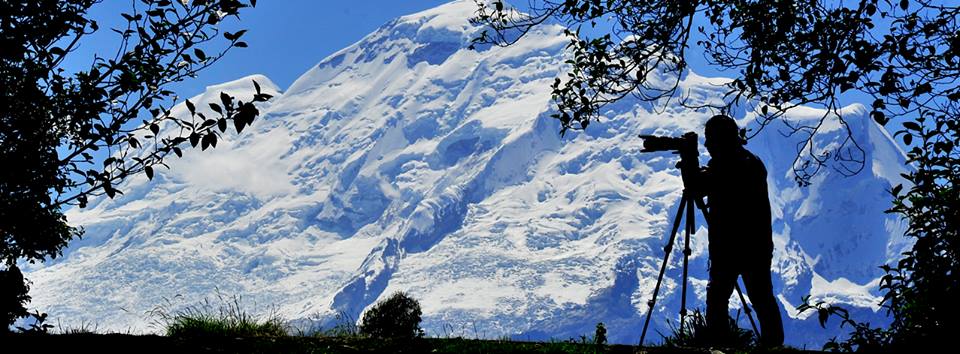
Trekking the Cordillera Huayhuash from Huaraz in Peru is one of the most amazing trekking experiences in the world. Not people know about the spectacular region of Peru and that is one of the main reasons we love going there.
The Huayhuash Circuit brings together the experiences many trekkers dream of finding in Peru: turquoise lakes beneath glaciers, high passes with far-reaching views, and nights camping close to some of the most striking mountains in the Andes. For walkers who enjoy a demanding journey, the reward is the chance to spend day after day immersed in this extraordinary landscape.
At Ian Taylor Trekking, we offer both a full Huayhuash circuit and a shorter journey through selected highlights of the range. Choosing between them means considering your available time, previous trekking experience, fitness, and comfort with camping at altitude. Here is what you need to know before planning your adventure.
The Cordillera Huayhuash lies south of the Cordillera Blanca in the Peruvian Andes. They are separate mountain ranges, but Huaraz is a practical starting point for exploring both. This makes it possible to enjoy acclimatization walks in the Cordillera Blanca before travelling into the Huayhuash.
Huaraz sits at approximately 10,170 feet (3,100m) so adjusting to the elevation begins as soon as you arrive. Allow time to settle in, check equipment, and discuss the journey with your guides. Our itineraries include preparation near Huaraz before the main trek, helping you approach the mountains with a better understanding of how you feel at altitude.
Plan your travel around the confirmed joining instructions. International travel, onward connections, and transfers all need to fit together, with enough breathing room for delays and any additional acclimatization nights.
The appeal of a circuit is the changing perspective. Mountains that appear distant at the start become your companions over successive days, revealing different faces as you cross into another valley. Each pass opens a new view, and the landscape keeps changing between glaciated peaks, rocky slopes, grazing land, and lakeside camps.
The full route also gives the journey a satisfying continuity. You follow the range through a succession of landscapes rather than visiting a single viewpoint and returning home. By the later stages, the daily pattern of walking, reaching camp, and sharing a meal feels familiar, even as the scenery continues to surprise you.
This is a compelling choice for experienced hikers seeking a substantial mountain adventure. The pleasure comes from the walking itself, the quieter hours around camp, and the growing sense of achievement as the days accumulate.

The scale of the mountains is immediately striking. Yerupajá and Siula Grande belong to a skyline of steep rock faces, snow, and ice that gives the range its distinctive character. Yet the lakes often hold your attention just as strongly as the peaks.
Carhuacocha and Jahuacocha are among the memorable settings featured in our Huayhuash journeys. Depending on the light and weather, the same landscape can feel completely different at breakfast and in the late afternoon. Photographers should leave space in their plans for those quieter moments around camp.
The Three Lakes route toward Siula Pass is another major attraction. The rising trail brings lakes and mountain walls into a widening panorama. It is a demanding walk, and taking it slowly gives you time to appreciate the detail as well as the famous view.
Expect more than a succession of photographs. The sound of running water, a cold morning outside your tent, and the first warmth of sunshine on a valley floor become part of the experience.
Our full circuit is advertised as a 16-day trip, while the shorter programme lasts 11 days. These are overall trip durations, including time around Huaraz and travel, rather than the number of days spent continuously trekking.
Choose the full circuit if you want a more extensive journey around the range and have the time and endurance for a longer expedition. The additional commitment brings more consecutive days outdoors and a wider experience of the mountains. It also means more cumulative fatigue and a longer period away from hotel comforts.
The shorter trek suits walkers who want a substantial Huayhuash experience within a tighter schedule. It includes major scenic highlights without completing the entire circuit. However, a shorter itinerary still involves high passes and sustained effort. Assess the daily walking and elevations carefully when deciding which journey suits you.
Explore our Full Huayhuash Circuit Trek and Short Guided Huayhuash Trek pages for the detailed programes, then contact us if you would like help choosing.
The main challenge is the combination of altitude, repeated ascent and descent, and consecutive days on the trail. Much of the circuit stays high, and the full itinerary reaches approximately 16,568 feet (5,050m) at Cuyoc Pass. Walking that feels manageable close to sea level can demand considerably more effort here.
Terrain adds to the challenge. Rocky paths, loose ground, steep sections, and long descents require balance and concentration. Tired legs can make descending particularly demanding, so preparation should include walking downhill as well as uphill.
Camping also affects recovery. Cold evenings, unfamiliar sleeping conditions, and the practicalities of living outdoors can leave you feeling less rested than you would after a hotel night. You need enough fitness to handle the walking and enough patience to remain comfortable when conditions change.
Think about how you respond to several demanding days together. Experience on long mountain walks and previous camping trips will help you judge whether the circuit is an appropriate next step.

Fitness helps with the workload, but it does not protect you from altitude illness. Allow time for a gradual adjustment and discuss your previous altitude experience with the team before travelling. We have built extra nights into our itinerary, but you might want to have an additional night before the scheduled program to rest, recover and rehydrate. This maybe especially important if you have struggled at elevation before in Cusco or live at sea level.
Tell your guide promptly about headaches, nausea, dizziness, or unusual fatigue. Do not continue ascending with symptoms of altitude illness. Worsening symptoms require descent; confusion, difficulty walking straight, or breathlessness at rest need urgent action and medical assistance.
A travel medicine consultation can help you review personal health concerns and whether preventive medication is appropriate. An itinerary provides a framework for acclimatization, but individual responses differ, and plans must remain flexible.
May through September is generally the main trekking season, with drier conditions providing a better basis for planning a longer camping journey. Clear views are a major attraction, but weather in the mountains remains changeable throughout the season.
Prepare for cold nights and the possibility of rain, snow, or strong wind. A sunny morning does not remove the need to carry waterproofs and warm layers. Your guides may adjust timings or route choices to suit conditions.
When choosing a departure, consider the whole trip: time for preparation, the trek itself, and a sensible margin before your onward travel. A schedule with room to recover and manage disruptions makes the experience easier to enjoy.
A supported journey allows you to focus on walking while guides and the expedition crew manage camp logistics. Our programmes include local guiding and support staff, with pack animals carrying expedition equipment. This support is particularly valuable during a demanding sequence of mountain days.
You still need to carry the personal items required while walking, follow the daily schedule, and communicate clearly with the team. Group travel also involves sharing a pace, listening to guide decisions, and accepting changes when conditions require them.
The tradeoffs deserve honest consideration. Guided trips involve a greater financial commitment than a basic walking holiday, and camping offers limited privacy and comfort. Remote travel can also mean lengthy transfers and limited connectivity. For people who value mountain immersion, those compromises are often a worthwhile part of the adventure.

Build preparation around regular hill walking, gradually increasing the duration and difficulty to suit your starting fitness. Practise with the daypack and footwear you intend to use. Include consecutive walking days so you learn how your feet, legs, and energy levels respond after the first long outing.
Strength work can support the demands of climbing and descending. Give particular attention to controlled stepping, leg strength, and balance, and seek individual training advice if injuries or health conditions affect your preparation.
Use the trip equipment list as your packing reference. Priorities include suitable boots, waterproof clothing, insulating layers, gloves, sun protection, and a sleeping system appropriate for the expected conditions. Trekking poles can help on descents if you have practised using them.
Protect essential clothing from moisture and keep daytime necessities accessible. Break in your boots early, test your layers outdoors, and address recurring blisters before departure. Familiar equipment reduces avoidable problems when you are far from a shop.
Start each walking day at a sustainable pace. Eat regularly, drink according to your needs, and speak up early about discomfort or illness. Small problems are easier to manage before they become the defining feature of your day.
Confirm dietary requirements and the drinking-water arrangements before departure. Review travel insurance carefully and ask the provider to confirm that your planned route, maximum altitude, and relevant evacuation and medical costs are covered.
Check what the quoted price includes and budget for excluded services, personal equipment, tips, and additional travel. Carry the cash recommended in your joining instructions rather than assuming payment facilities will be available along the trail.
Remember that these mountains are also home to local communities. Follow guidance around campsites and grazing animals, ask before photographing people, and take your rubbish away. Respect for the people who live and work here is part of travelling well.

The full circuit is best approached with previous multi-day hiking and altitude experience. Strong mountain conditioning is needed for this trek. If this would be your first extended mountain trek, discuss your background with us before booking. The shorter trip also requires preparation and comfort with altitude and camping.
The standard trekking circuit does not involve summiting the surrounding peaks. Mountain walking confidence matters, particularly on uneven ground. Technical climbing objectives or specialist route variations require separate assessment and preparation.
Allow for the published trip duration, international travel, and any extra nights recommended for your circumstances. Check where the programme begins and ends before booking flights. The full circuit and shorter trek require different overall time commitments.
Will I carry all my equipment
Pack animals transport expedition equipment on our supported treks. You should expect to carry your walking essentials in a daypack. Confirm the baggage allowance and exactly what travels with the animals before packing.
What are the campsites and facilities like
Expect an outdoor camping experience with basic facilities that vary between locations. Each camping has toilet facilities, water for washing each afternoon, and sleeping tents, set upby our staff. Prepare for cold evenings and bring realistic expectations about comfort in a remote mountain setting.
What happens if I cannot continue
Tell your guide as soon as a problem develops. The response depends on your condition, location, weather, and available transport. We have extensive emergency procedures in place and all our treks are professionally led. You do need to understand that reaching medical care can take time in remote mountain regions.
Is the full circuit worth the extra time
For trekkers who enjoy sustained mountain travel, the longer journey offers more time to absorb the landscape and experience the range as a connected route. In my opinion, absolutely yes! Choose the itinerary you can prepare for properly and enjoy throughout.
Plan your Huayhuash trek with Ian Taylor Trekking
If you are drawn to glacier-framed lakes, demanding mountain passes, and the pleasure of travelling on foot for days at a time. The Huayhuash circuit trek deserves a place on your Peru plans. Read some reviews from our trips and follow us on Instagram.
Review our Full Huayhuash Circuit Trek or Short Guided Huayhuash Trek, then speak with our team about your experience, preparation, and available dates. We can help you choose a journey that matches your ambitions and the time you have.