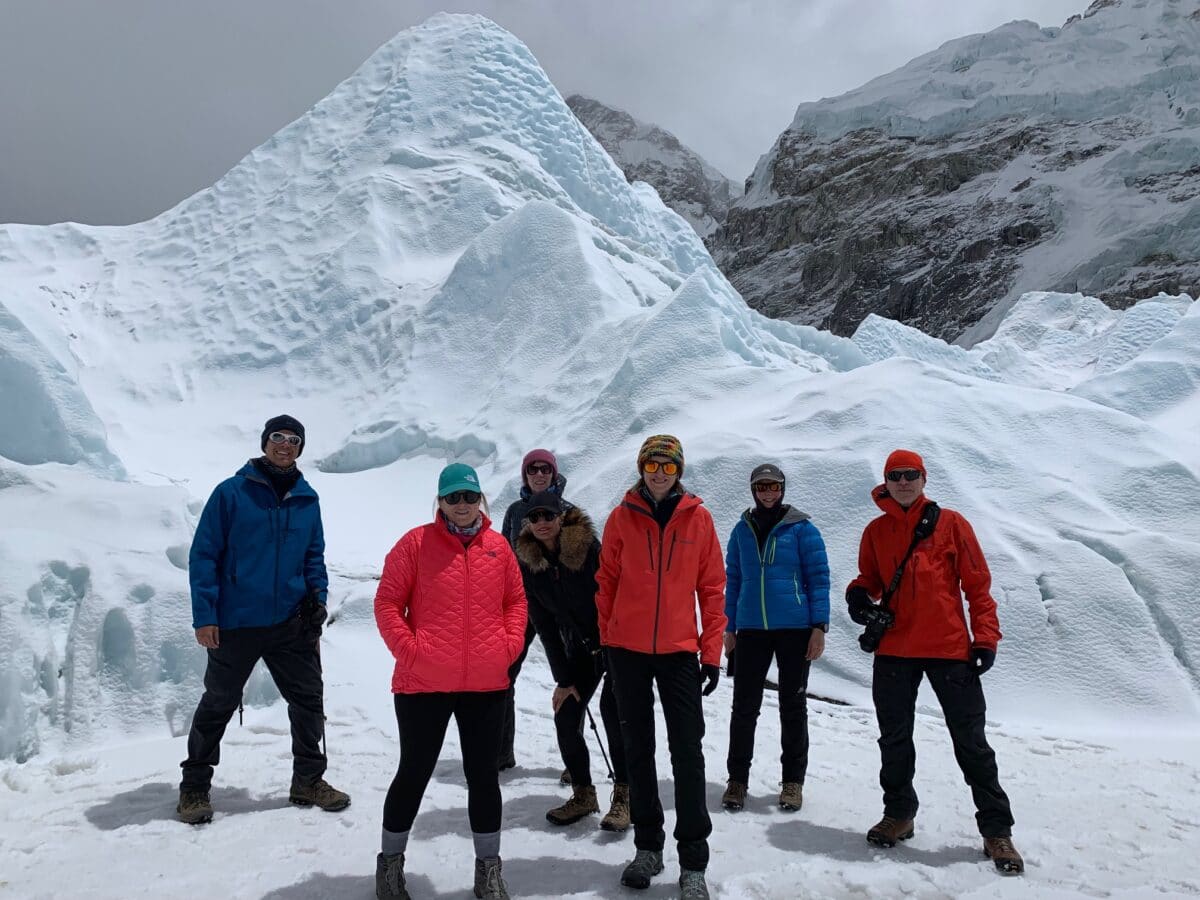
One of the most common questions we get asking, Is the Everest Base Camp Trek difficult? This is a relative question. For people who are used to hiking long distances, with a weighted back pack over years, they might find the trek relatively straight forward, with the correct acclimatization. However, for people who have no access to hills, or that are not used to hiking or training on a regular basis, they will need to train hard for this trip and will likely find it very difficult. Likewise, the older you are, the more training is needed. Schedule a call with Ian.
Learn From the Experts
I have climbed Mount Everest to the to and trekked to Everest Base Camp and Kala Patthar over 40 times to date. If you are signed up to one one of our trips I am happy to chat with you and answer any questions you may have.
I can assure you doing the correct training and putting in the right preparations for the trek will be essential to your enjoyment, safety and success. Remember, having the correct acclimatization is the most important part of your trek to Everest Base Camp. Check out our TOP 50 TIPS.
Is the Everest Base Camp Trek Difficult
I can tell you a lot of people who start the trek do not finish and end us having to pay for a helicopter to get them back to Lukla or Kathmandu. Trekking to Everest Base Camp is an adventure of a lifetime. This trek can be a life changing experience for many people. So it is extremely important to understand the terrain, elevations gains and how gain the specific training needed to be successful.
It can be achievable for most people, however, it is NOT A TOURIST TREK! The trail to Everest needs to be respected and prepared and trained for. There are a few key elements that we believe are essential to give you a safe and successful trek.
Picking the Right Itinerary
Some people will find the trek to Everest easy. Generally, these people are used to back-packing, hiking up and down hills and have excellent strength and endurance. Many of them have experience hill walking, climbing mountains and are generally active on a weekly basis.
However, sometimes even that is not enough. You need extra acclimatization at the critical point of the trip. This critical point is the entrance to very high altitude at 3,500m/ 11,500 feet. Therefore, you need to spend more time at this elevation to give yourself more rest and ability to adapt better to the low levels of Oxygen.
Is the Everest Base Camp Trek Difficult
Remember for most people, going on a trip like this is taking time out of their normally busy lives. There are so many different factors that you can not control on a trip like this. You are far away from home, with new people, in a new country, eating different food and doing different activities.
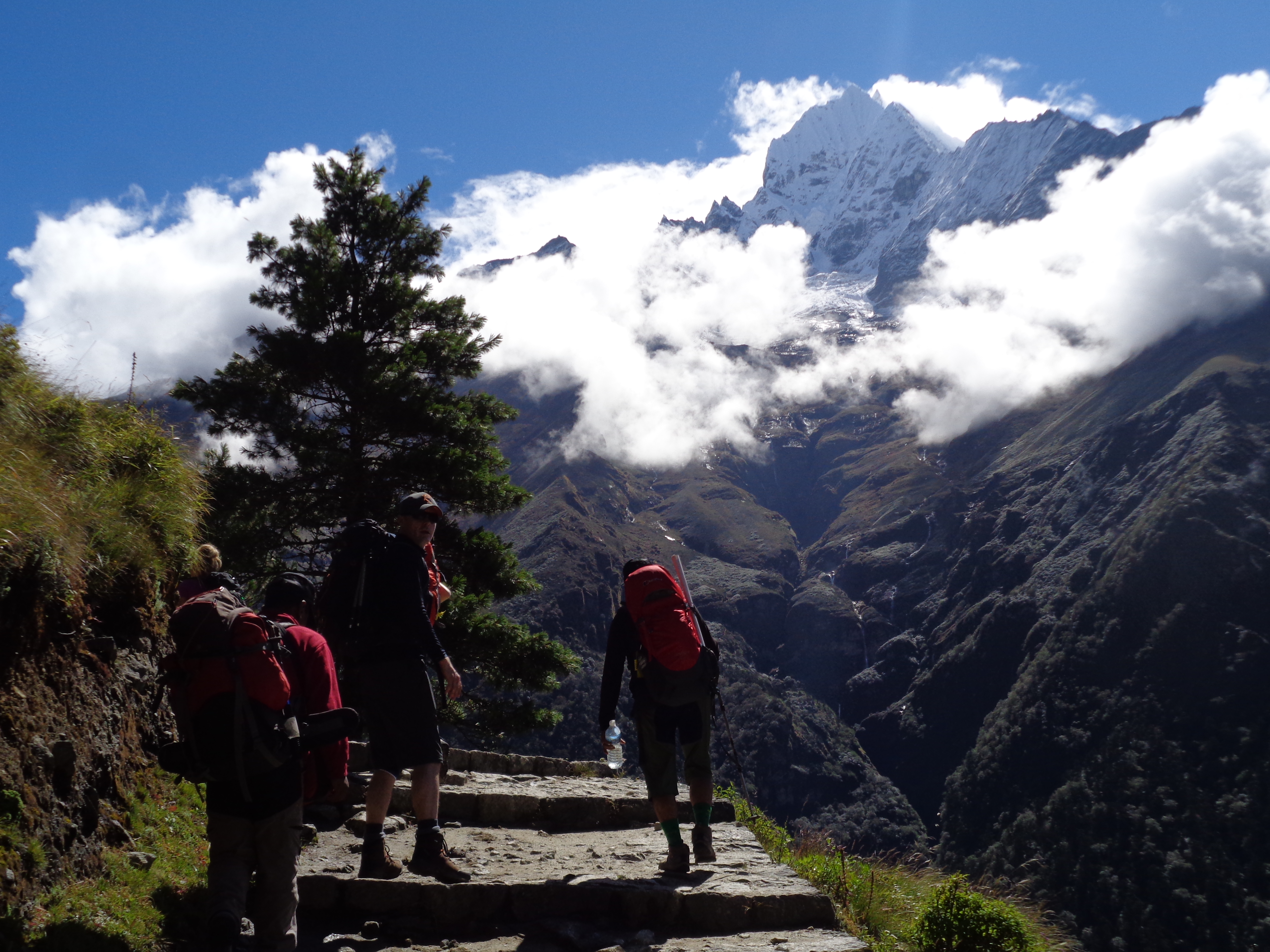
Make sure that with all of these things that you can not control, you do make the best decisions on things you can control. Picking the right itinerary for your trek is going to be so important. We have built in three nights in Namche Bazaar, at the critical point in acclimatization, before moving higher. This is done to give you the best and safest route into the low levels of oxygen.
Heard the Trek is Easy?
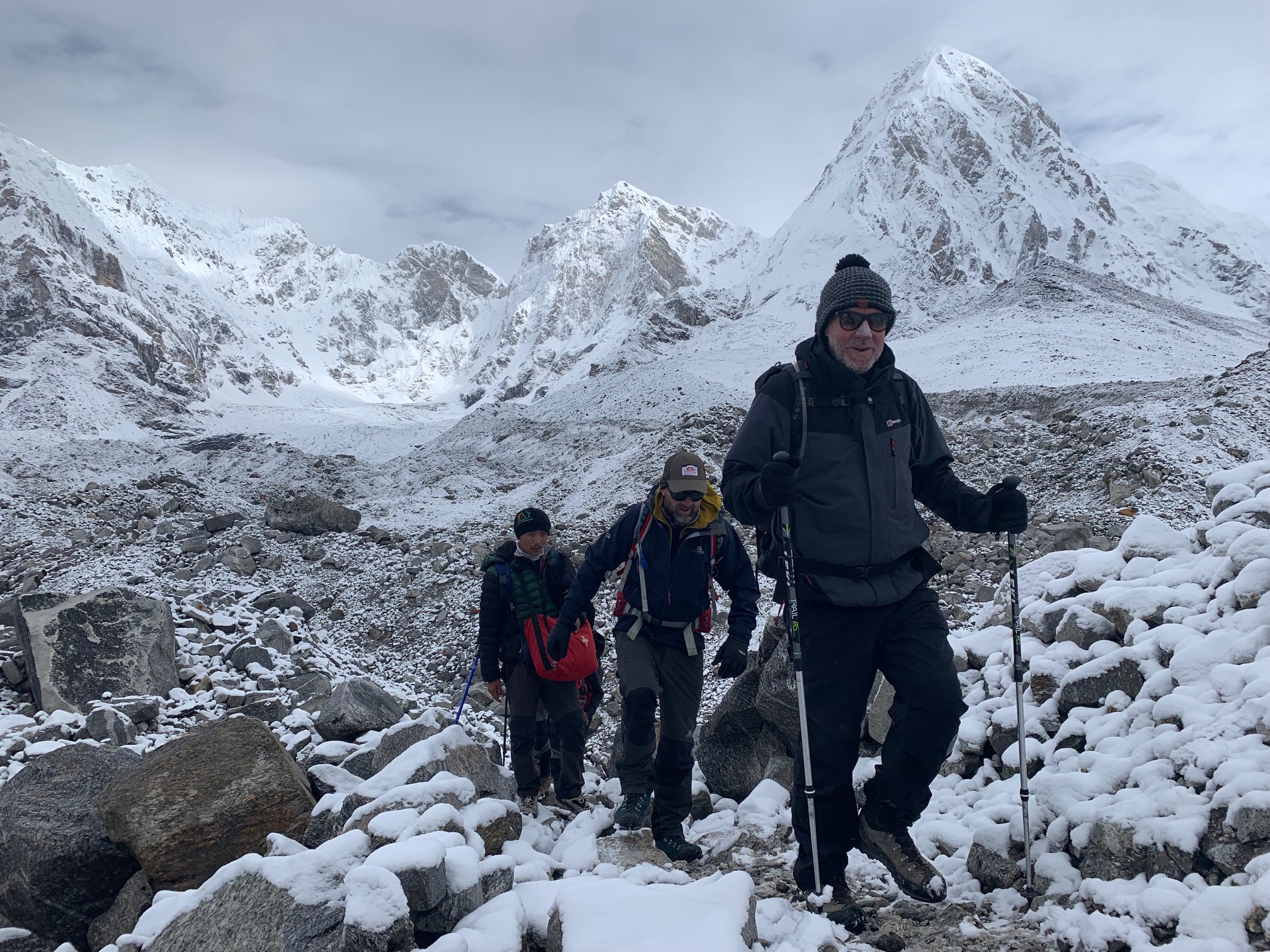
Not everything you read on the internet is true! Likewise, just because someone has one experience, one time, does not mean that it will be the same for others! Therefore, you need to assess the information you read on the internet. If someone says it was easy, then look at their situation, age, experience and hiking history.
Likewise, if someone says it was the hardest thing they have ever done. You will need to look at their itinerary, age, prior training, pacing and lodges they stayed in. You need an honest assessment of your fitness, age and how much preparation is needed to enjoy the overall experience. CONTACT US and we can help you get the correct information to make a safe and successful trek to Everest. Furthermore, you can read some REVIEWS from our trips.
Be Informed
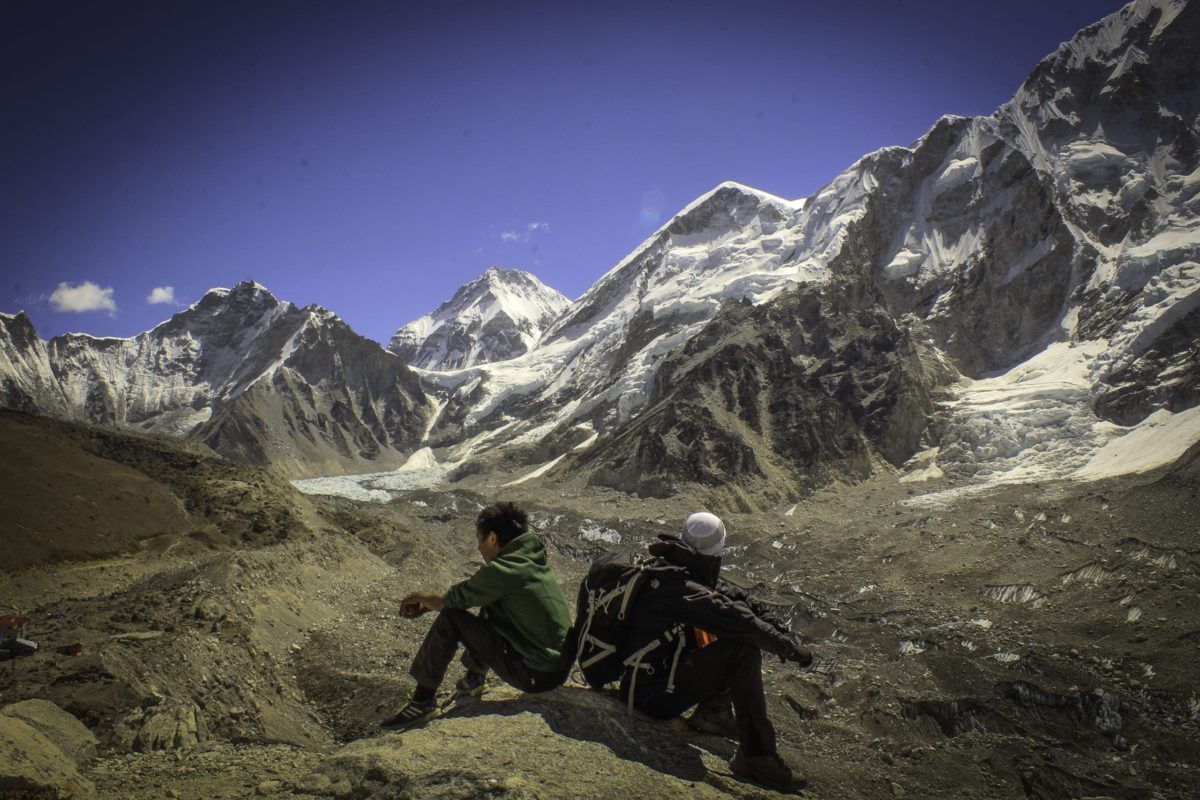
You need to get all the right information before trekking to Everest Base Camp. Think clearly about how you should prepare. Learn about the elevation gains, plus the daily distances on the trek. Then, factor in lack of oxygen and you get a training plan that will work. Remember muscle strength and specific physical conditioning for long days and distance walking at altitude is very important in your training. Find out everything you need to know about trekking to Everest.
Common Questions and Answers
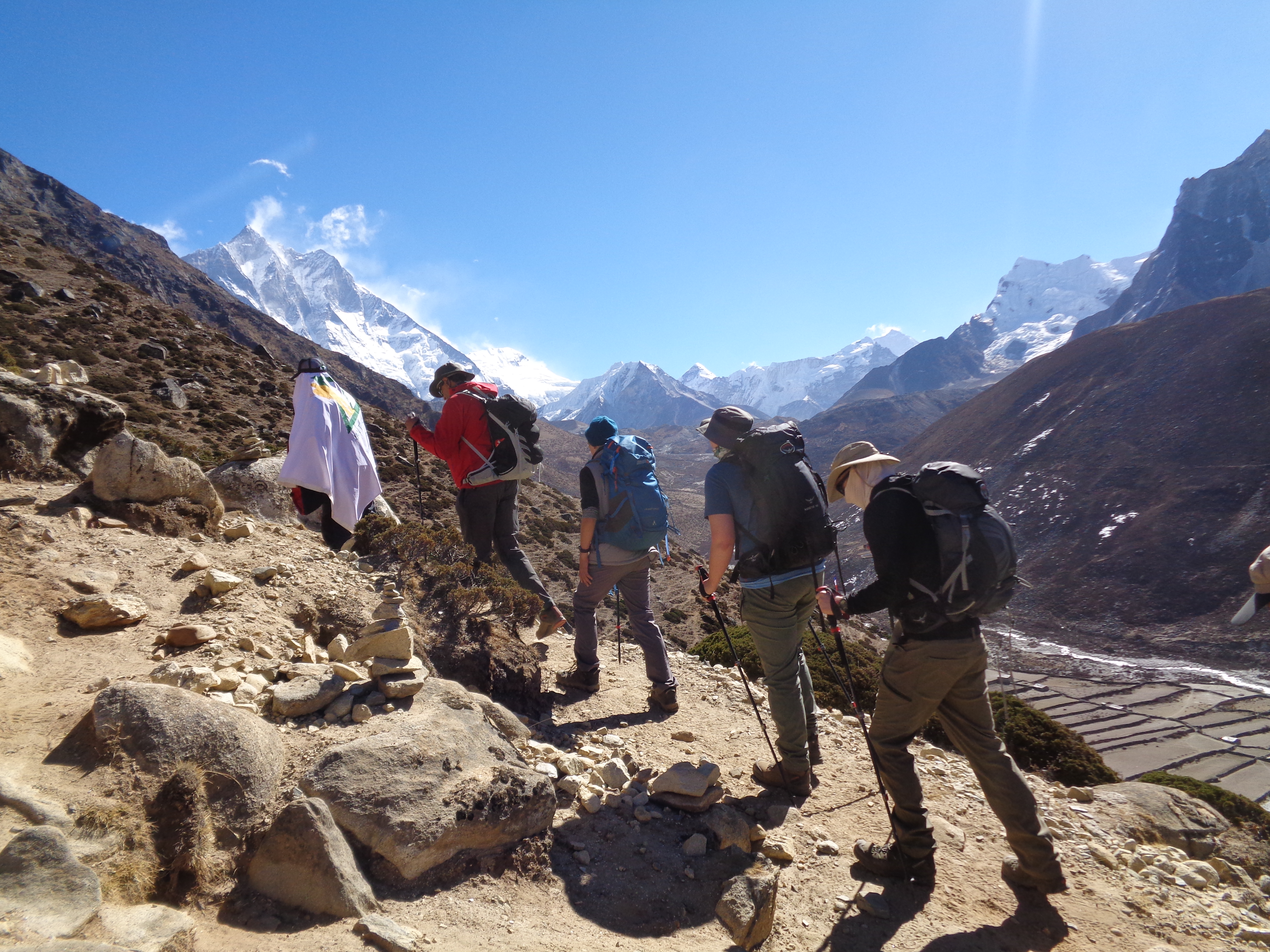
1). How many days do I need for the trek into Everest Base Camp? You should be arriving into Base Camp on day 9 of your trek.
2). How far do I walk on this 13/15 day trek? Check out our daily distances on our Everest Base Camp trek
3). What are the elevation gains on the Everest Base Camp trek? Read more about the elevation gains each day on the trek so you can develop the correct training plan.
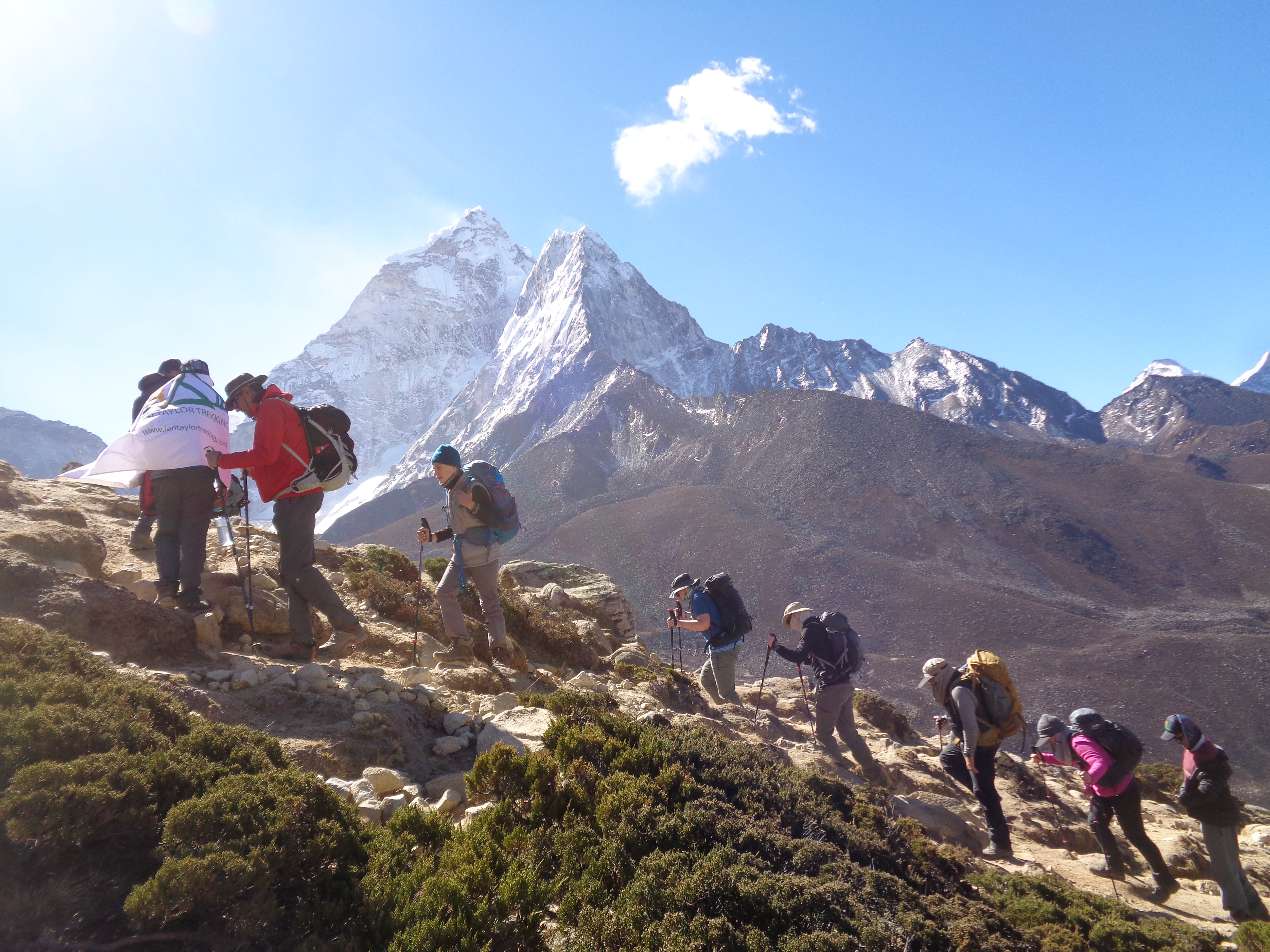
4). What sort of training should I be doing? Training advice for the Everest trek
5). What gear and clothing to I need? Watch our packing video
6). Is the trail steep? Watch all our Everest base camp video’s
7). When is the best month to trek? March, April, May, late September, October and November. We prefer March, April, September and November. READ MORE.
8). What are the coldest months? January and February
9). How much should I be training per week? This depends, 7 to 10 hours per week at least 3 to 6 months before the trip. This depends on your experience and previous training. GET IN TOUCH for more information on your training.
10). What height do I start trekking at? 2,850m/ 9,350 feet
11). What is the high point on the trek? 5,645m/ 18,520 feet
12). How do I train for the downhill? Learn more.
You Need More Acclimatization Lower Down
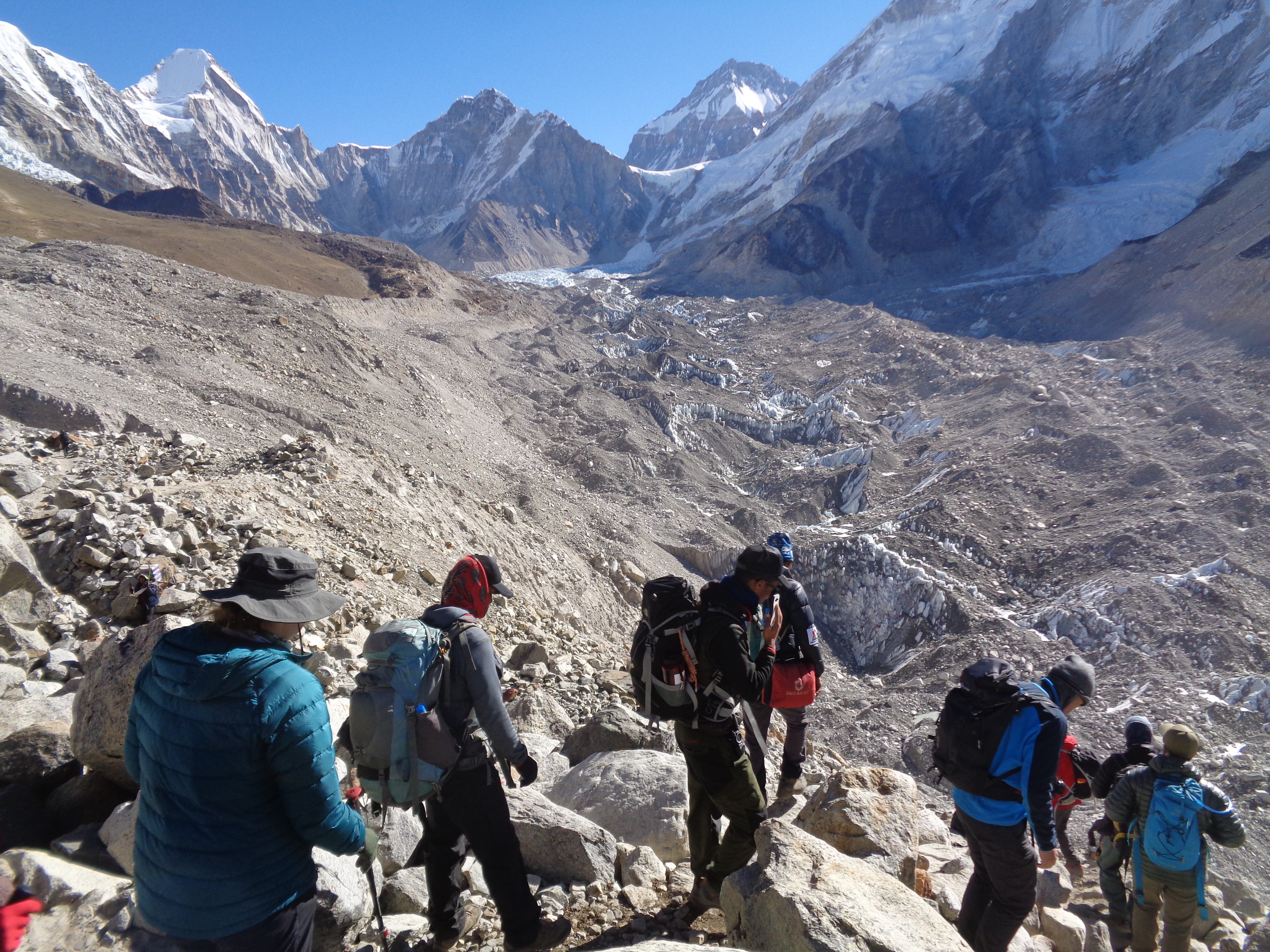
We cannot stress how important it is to make sure you pick the right itinerary. You need to have 3 nights acclimatizing to the low levels of oxygen around 3,500m/ 11,500 feet, around the town of Namche Bazaar. All altitude related research suggests that you need acclimatize well at this critical point. If you fail to acclimatize well at this height, then you run a serious risk of getting serious altitude sickness higher up the trail. Therefore, you need to pick the right Itinerary.
Apply an Effective Training Program
You need to have an effective training program at home that gives excellent physical conditioning. Add weight to your backpack gradually building from 6kg to 12kg / 12lbs to 25lbs over approximately 6 months of training. Building your hiking training from 3 – 6 hours once a week, on uneven terrain, both up and down hills. Also, you should be training an additional 4 times a week. If you are on one of our treks to Base Camp, then we are available to help you get specific information and preparations needed for this long trek to and from Everest.
Add Some Weight Training
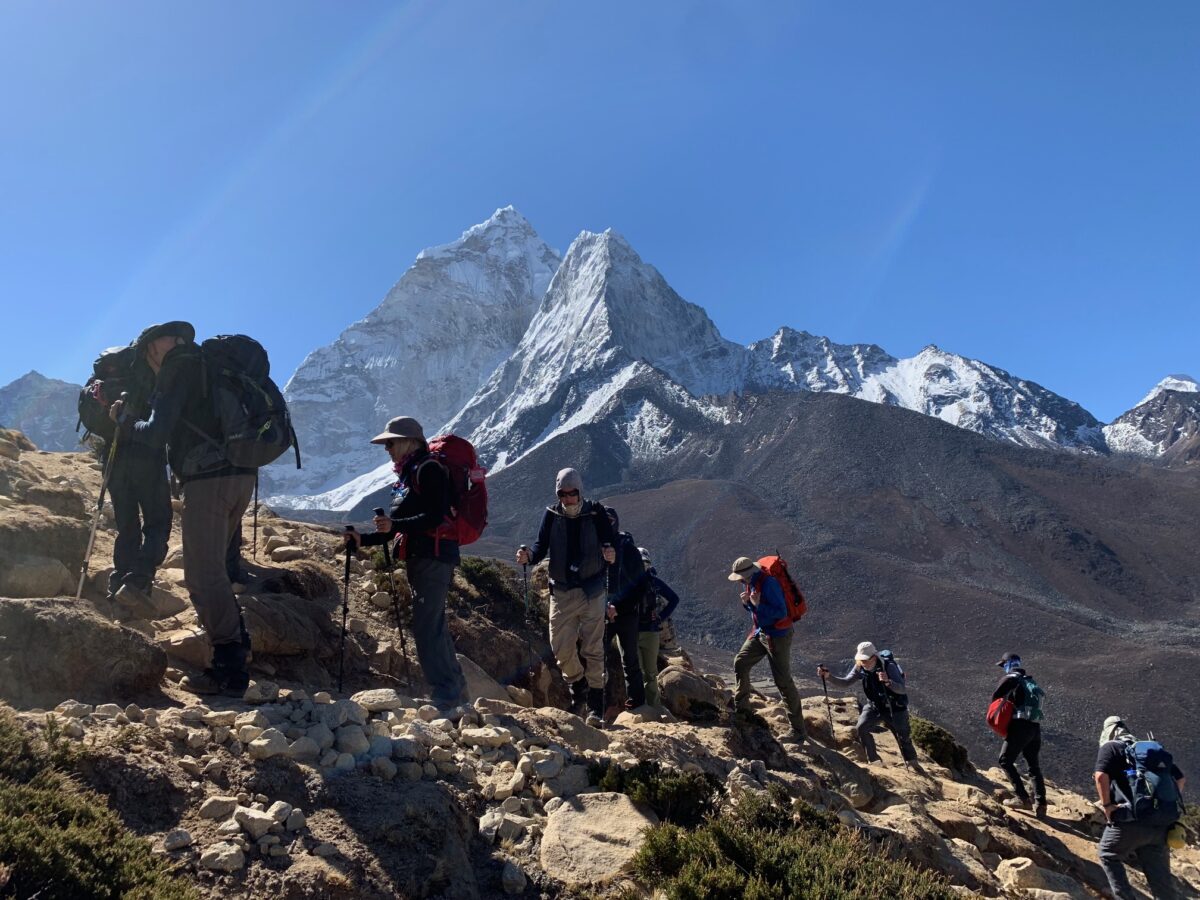
Have a weights training program that gives excellent condition in your legs, calves, shoulders, back and core. You should also work on your balance as a key element of your training. You will be walking on mixed terrain, up and down hills and steep steps for 13 days. Some of those days, especially on the way back down the trail, will be very long days. You will have three 20 km days on your way back to Lukla. You need excellent preparation before joining our treks to Everest base camp.
Conserving energy on the trail
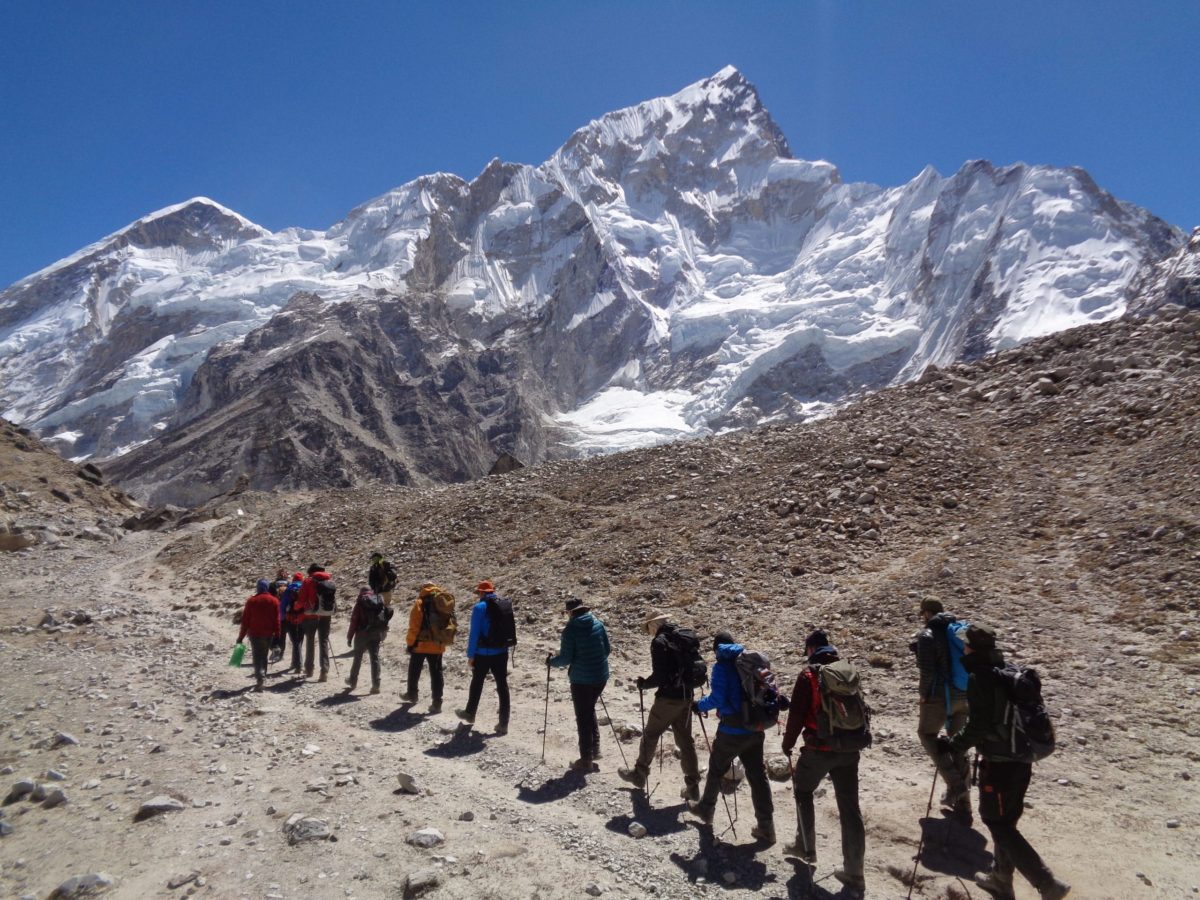
When you start the trek to Everest Base Camp, you are at the elevation of 2,850m/ 9,000 feet and will be walking to 5,364m/ 17,500 feet, high in the Himalaya’s. Slow your walking pace drastically when on the trail. The key with climbing any mountain or trekking to altitude is to expend as little energy as possible moving from one village to the next. Yes, physical exertion is an important part of acclimatizing, along with hydration (4/5 liters per day), eating well and sleeping. However, you have to make sure you keep your walking pace slow and keep your heart rate at a manageable rate. Therefore, if you conserve your energy lower down on the trail, then you will have stores of energy for higher up!
We are here to help you understand the pace on the trail, training and preparations needed to be successful. Furthermore, if you join one of our treks to Everest Base Camp, then you will have access to our expert advice! CONTACT US today.
Make Sure you Have Professional Guides
We have four guides per group of ten trekkers. This is EXTREMELY important to your safety and success on the trail. You will be learning to walk again and need to pace yourself as your body will have lower levels of oxygen to work with. Therefore the slow approach with an experienced guide will get results.
We have 95% success rate on our trek to Everest Base Camp. Firstly, if you can walk in the hills at home with extra weight building from 6-10+kg for approximately three to six hours a day. Along with weight training and other endurance training four to fie days a week, you can easily build up the correct fitness in a 3 – 6 month period depending on where your starting point is. Check out our Everest Base Camp Trek information and read more blog posts on Everest Base Camp. Let us help you get the right training and preparation you need to get ready for your adventure.
Join One of Our Teams
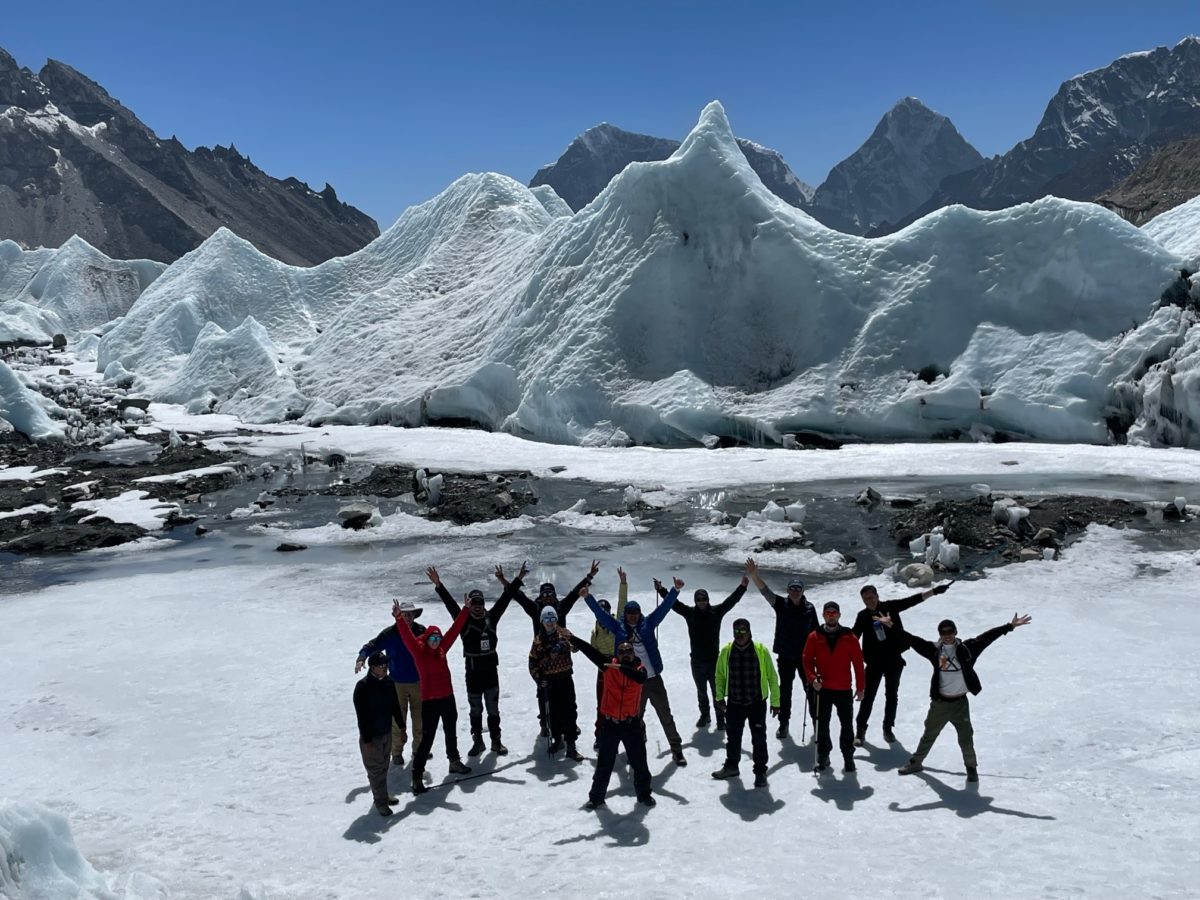
If you would like to talk more about specific training required for mountain treks, then feel free to get in touch. We have a wealth of experience in the Everest Region. Our Everest Base Camp Trek has 95% success rate to date, and if you sign up with us, we will send you a 35 page dossier on the trek. This will include training information, kit list, itinerary and general travel information on your trip to Nepal. Likewise, we are available 5 days a week to help you get trained up and have all the information you need to make this journey to Everest Base Camp and Kala Patthar a success! We hope this post, Is the Everest Base Camp Trek Difficult was useful. If you need further information feel free to contact us.